
Anatahan
1953
No user ratings available yet
Diversity score: 5.8 out of 10
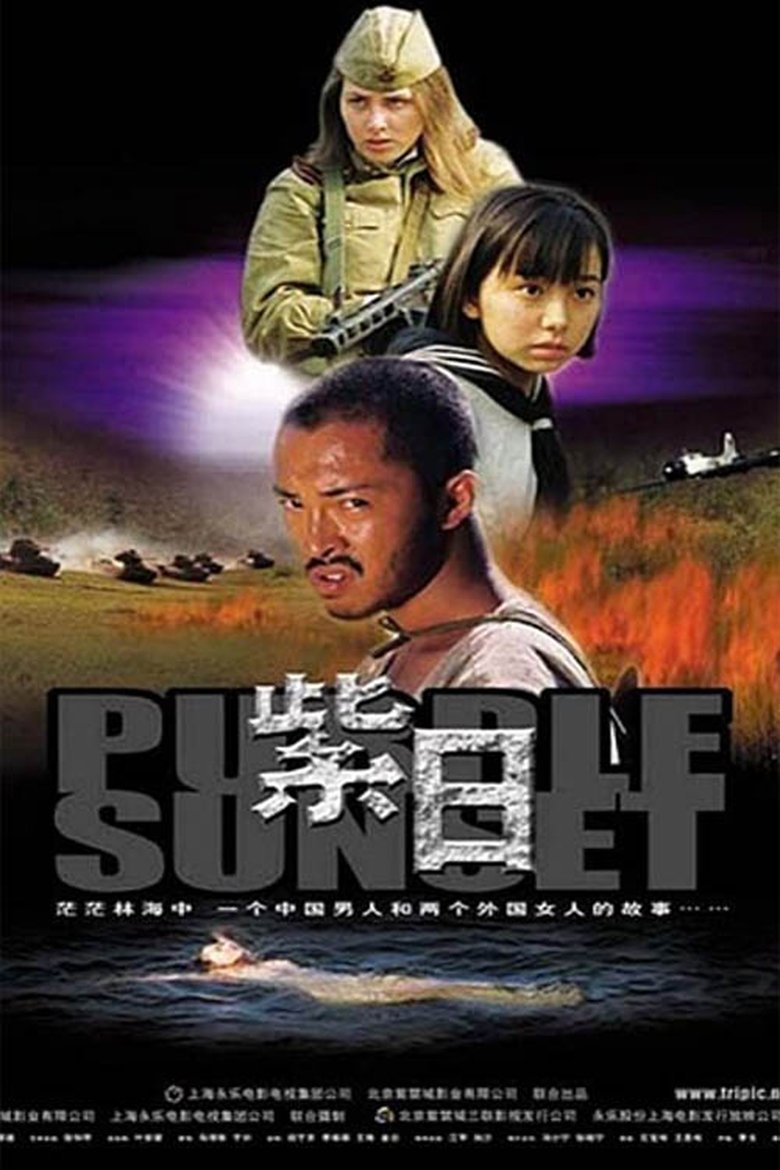
2001
Director
Feng Xiaoning
Runtime
107 minutes
Average Rating
No ratings yetSynopsis
A Soviet Russian lady officer, a Chinese peasant and a Japanese schoolgirl must walk their way out of a forest toward the end of World War II, despite their mutual distrust of one another.
Overall Score
Fair
Category Breakdown
LGBTQ+ Representation
The film focuses on geopolitical and survivalist tensions. There is no indication of LGBTQ+ characters or narratives exploring non-heteronormative identities.
Gender Representation
A Soviet female officer provides a departure from traditional wartime tropes by holding a position of authority. This disrupts conventional gender hierarchies within a military context.
Racial & Ethnic Diversity
The central triad of Soviet, Chinese, and Japanese identities offers high intersectional diversity. Including a Japanese schoolgirl helps humanize a former adversary within the conflict.
Religious & Cultural Diversity
The war-torn forest setting strips away traditional institutions and national loyalties. Characters must navigate a landscape of situational ethics and subjective morality.
Disability Representation
There is no evidence regarding the portrayal of physical or neurodivergent disabilities in this work.
Strengths
Areas for Improvement
AI Analysis
Purple Sunset uses the crucible of World War II to examine the friction between disparate national identities. By centering the story on a Soviet officer, a Chinese peasant, and a Japanese schoolgirl, the film moves beyond monolithic perspectives to explore the humanization of the 'other.' The narrative architecture prioritizes cross-cultural interaction and the subversion of nationalistic tropes. While it lacks representation for LGBTQ+ and disability categories, its structural commitment to bringing together conflicting ethnic and gendered identities provides a nuanced foundation for studying human agency.
1953

1989
1987

2009
1946
1969
1991
1967
1983

2013
1956
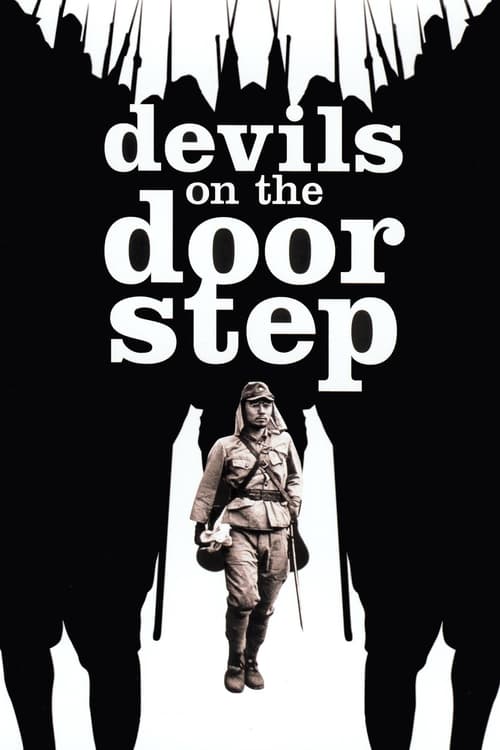
2001
No reviews yet. Be the first to share your thoughts on this movie!
Use the rating form above to leave a star rating and optional review.