
American Guerrilla in the Philippines
1950
No user ratings available yet
Representation score: 1.8 out of 10

Representation Score
Fair
1953
PGDirector
Josef von Sternberg
Runtime
91 minutes
Average Rating
No ratings yetNew Showbiz Analysis
Anatahan is a psychological study of human behavior stripped of societal structures. It moves away from conventional wartime heroism to explore how extreme isolation deconstructs established hierarchies and military discipline. The film's strength lies in its subversion of traditional gender roles and its commitment to ethnic authenticity. By prioritizing women's ability to drive the story and using a Japanese cast, it provides a nuanced perspective on non-Western subjects. However, the film remains limited by its focus on straight relationships and lacks representation for LGBTQ+ identities or disability. While it challenges institutional authority, it does so within a narrow social framework.
Category Breakdown
The film operates within a framework that assumes everyone is straight or cisgender. There is no depiction of non-traditional gender identities or same-sex relationships.
The narrative challenges wartime hierarchies by centering a woman's autonomy. The female protagonist makes choices regarding intimacy that challenge traditional masculine military decorum and submissiveness.
The production uses an authentic Japanese cast and setting. By focusing on the lived experiences of the characters, it avoids common orientalist stereotypes.
Isolation causes the erosion of traditional ethics and social norms. The setting acts as a vacuum where established institutional values are replaced by situational ethics necessitated by survival.
There is no significant evidence regarding the portrayal of physical or neurodivergent disabilities within the narrative.
Present on Screen
Limited or Absent
Official Synopsis
From June 1944, twelve Japanese seamen are stranded for seven years on an abandoned and forgotten island called Anatahan.
1950
1959
1956
1968
1960
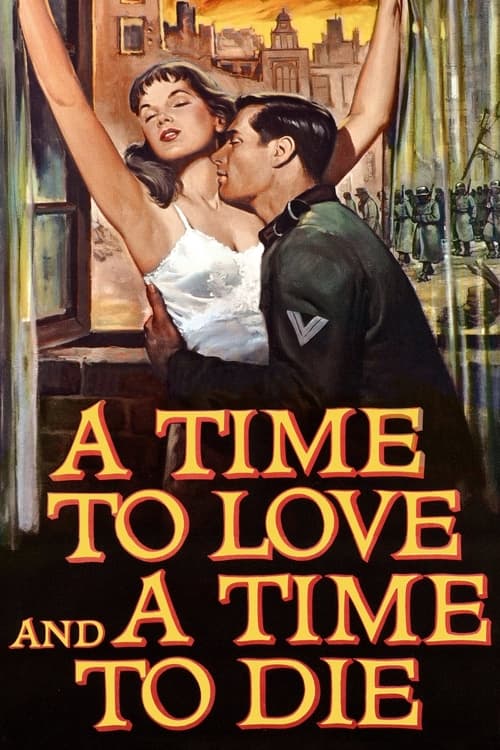
1958

1968

1944
No reviews yet. Be the first to share your thoughts on this movie!
Use the rating form above to leave a star rating and optional review.