Bashu, the Little Stranger
1989
No user ratings available yet
Representation score: 3.9 out of 10
Representation Score
Fair
1967
Director
Mohammed Lakhdar-Hamina
Runtime
98 minutes
Average Rating
No ratings yetNew Showbiz Analysis
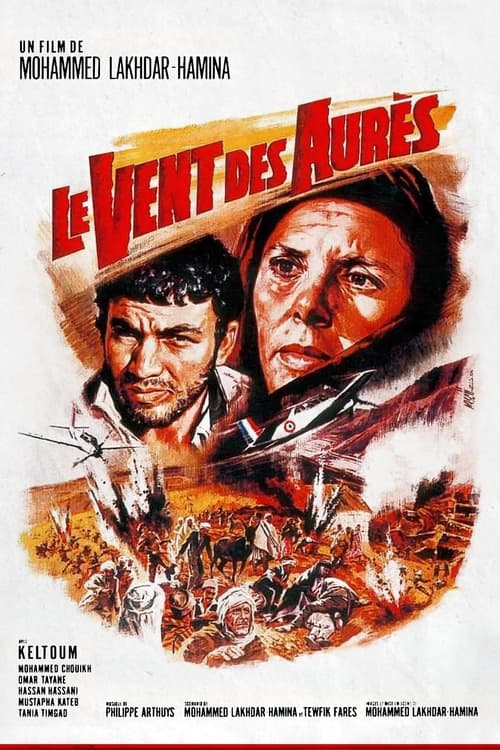
The Winds of the Aures is a significant piece of decolonial cinema that disrupts traditional Western power dynamics. It succeeds by centering the Algerian struggle against French occupation, providing a platform for non-Western ability to act and cultural authenticity. While the film lacks representation for LGBTQ+ identities or disability, it excels in challenging gender and imperial hierarchies. By placing a woman at the heart of a high-stakes conflict, it overturns the patriarchal norms often found in war dramas. Ultimately, the film functions as a sophisticated critique of systemic oppression. It replaces Eurocentric perspectives with a narrative structure rooted in the lived experiences of the colonized population.
Category Breakdown
The film does not include any characters or narratives related to LGBTQ+ identities. The story focuses on family ties and the struggle for national liberation.
A peasant woman is the central protagonist, driving the plot through her search for her son. This challenges traditional male-centric hero clichés by highlighting her active role in wartime.
The narrative centers the Algerian experience to critique Western colonial dominance. It portrays the indigenous population as central actors in their own liberation rather than passive victims.
The film prioritizes indigenous perspectives and local omens over Western 'civilizing' clichés. It presents a non-Western framework through the lived reality of the colonized people.
There are no specific mentions of characters navigating physical or neurodivergent disabilities within the narrative.
Present on Screen
Limited or Absent
Official Synopsis
The transformations of the daily life of the Algerian people during the destructive French occupation, then during the war of liberation. While military repression is in full swing, a peasant woman finds herself alone in her mountain home when her only son is kidnapped by French soldiers shortly after her husband's death during a raid. One day, seeing a dead chicken, which she considers a bad omen, she decides to leave home and embarks on a painful journey through the mountains. Accompanied by a couple of chickens, she moves from one detention camp to another in a desperate search for her missing son. The film is inspired by the events experienced by the director's family.
1989
1970

1991

1960
2009

2013

2005
1988
No reviews yet. Be the first to share your thoughts on this movie!
Use the rating form above to leave a star rating and optional review.