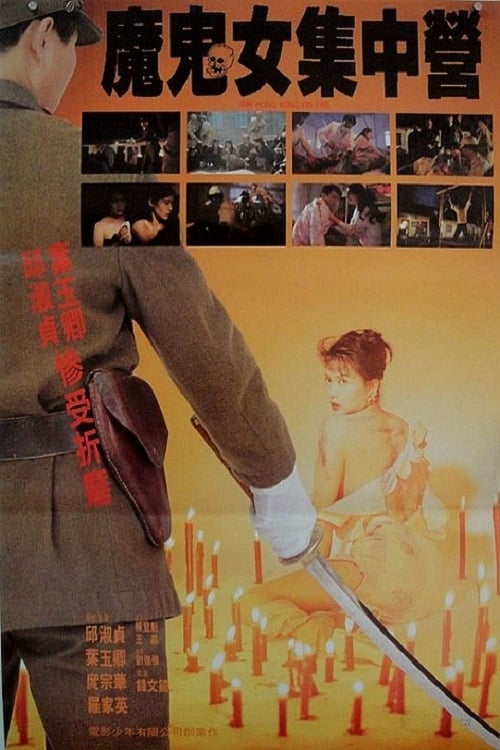
1941 Hong Kong on Fire
1994
No user ratings available yet
Representation score: 7.6 out of 10
Representation Score
Fair
1991
Director
Tony Au Ting-Ping
Runtime
126 minutes
Average Rating
No ratings yetNew Showbiz Analysis
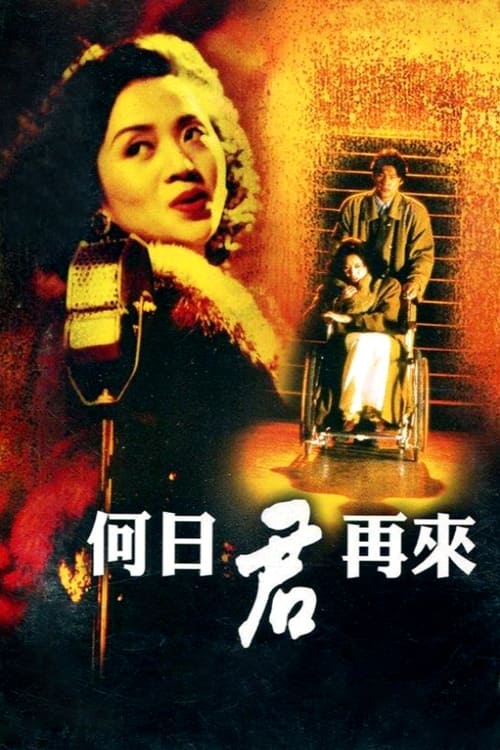
Au Revoir, Mon Amour is a sophisticated period drama that avoids simplistic patriotic archetypes. It succeeds by centering the subjective, conflicted experiences of an East Asian protagonist amidst the violence of the Japanese occupation. The film's strength lies in its ability to navigate the intersection of gender and ethnicity within a colonial framework. It replaces traditional war clichés with a focus on personal ability to act and emotional complexity. However, the narrative architecture does not overtly engage with queer or disability-centric themes. While it avoids harmful stereotypes, it remains centered on a traditional romantic structure.
Category Breakdown
The film centers on a romantic triangle involving a female protagonist, a Chinese resistance fighter, and a Japanese officer. It does not include explicit LGBTQ+ identities or roles within the plot.
The narrative emphasizes the ability to act and emotional resilience of a female nightclub singer. She is not a passive character but actively drives the story's tragic progression.
The film features a predominantly East Asian cast set in occupied Shanghai. It provides a non-Western perspective on the Pacific Theater by focusing on local identity dynamics.
The story explores moral relativism by placing the protagonist between opposing military forces. It highlights individual survival and personal connections within the gray areas of systemic conflict.
There is no significant evidence regarding the portrayal of visible or invisible disabilities in this work.
Present on Screen
Limited or Absent
Official Synopsis
A tragic love story set against the always volatile and oftenviolent backdrop of Shanghai during the Japanese occupation and at the opening of the Pacific Theater of the Second World War. A nightclub singer becomes involved with both a member of the Chinese resistance and an officer of the Japanese army.
1994
1974
1984

1960

1992
1958

2007
1983
No reviews yet. Be the first to share your thoughts on this movie!
Use the rating form above to leave a star rating and optional review.