
Unconscious London Strata
1981
No user ratings available yet
Diversity score: 5.0 out of 10
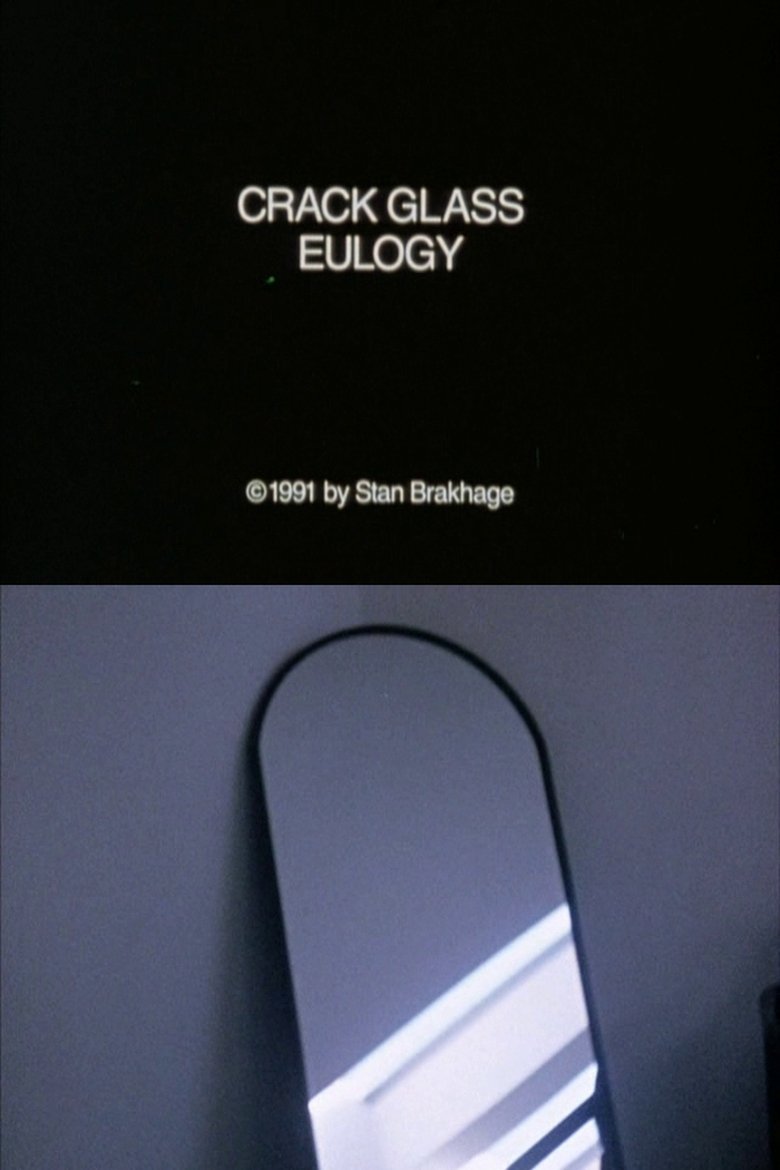
1991
Director
Stan Brakhage
Runtime
6 minutes
Average Rating
No ratings yetSynopsis
A nostalgic envisionment of city living - the potential shards of memory seen as if always on the verge of cutting the mind to pieces.
Overall Score
Fair
Category Breakdown
LGBTQ+ Representation
The film lacks explicit depictions of LGBTQ+ characters or romantic pairings. However, its experimental framework disrupts the heteronormative gaze by challenging traditional ways cameras frame intimacy and bodies.
Gender Representation
By eschewing traditional tropes like the stable leader or submissive female, the film avoids reinforcing gendered archetypes. It presents a non-binary approach to experience through sensory abstraction.
Racial & Ethnic Diversity
The abstract nature of the work provides insufficient evidence of a diverse cast. The focus on universalized urbanity lacks specific visual evidence of non-white protagonists.
Religious & Cultural Diversity
The film promotes cognitive relativism by deconstructing objective reality. It rejects stable Western institutional narratives in favor of a fragmented, postmodern understanding of existence.
Disability Representation
While lacking explicit depictions of disability, the aesthetic celebrates atypical perception. The fractured way of seeing mirrors neurodivergent modes of processing information.
Strengths
Areas for Improvement
AI Analysis
Stan Brakhage’s *Crack Glass Eulogy* operates as a formal subversion of mainstream cinema rather than a vehicle for identity politics. It replaces traditional character agency with an impressionistic exploration of urban memory and fragmented perception. The work succeeds in challenging the structural foundations of the cinematic gaze. By prioritizing sensory abstraction over social roles, it avoids the reinforcement of standard masculine or feminine archetypes. However, the film's experimental brevity results in a lack of explicit demographic markers. Without clear on-screen evidence of specific racial or LGBTQ+ identities, the work remains a systemic disruption rather than a direct representation of diverse lived experiences.
1981

1999
1960
1981
1993

1999

1968
1968
1979

1964

1964

1975
No reviews yet. Be the first to share your thoughts on this movie!
Use the rating form above to leave a star rating and optional review.