Untitled (For Marilyn)
1992
No user ratings available yet
Diversity score: 1.9 out of 10
1962
Director
Stan Brakhage
Runtime
11 minutes
Average Rating
No ratings yetSynopsis
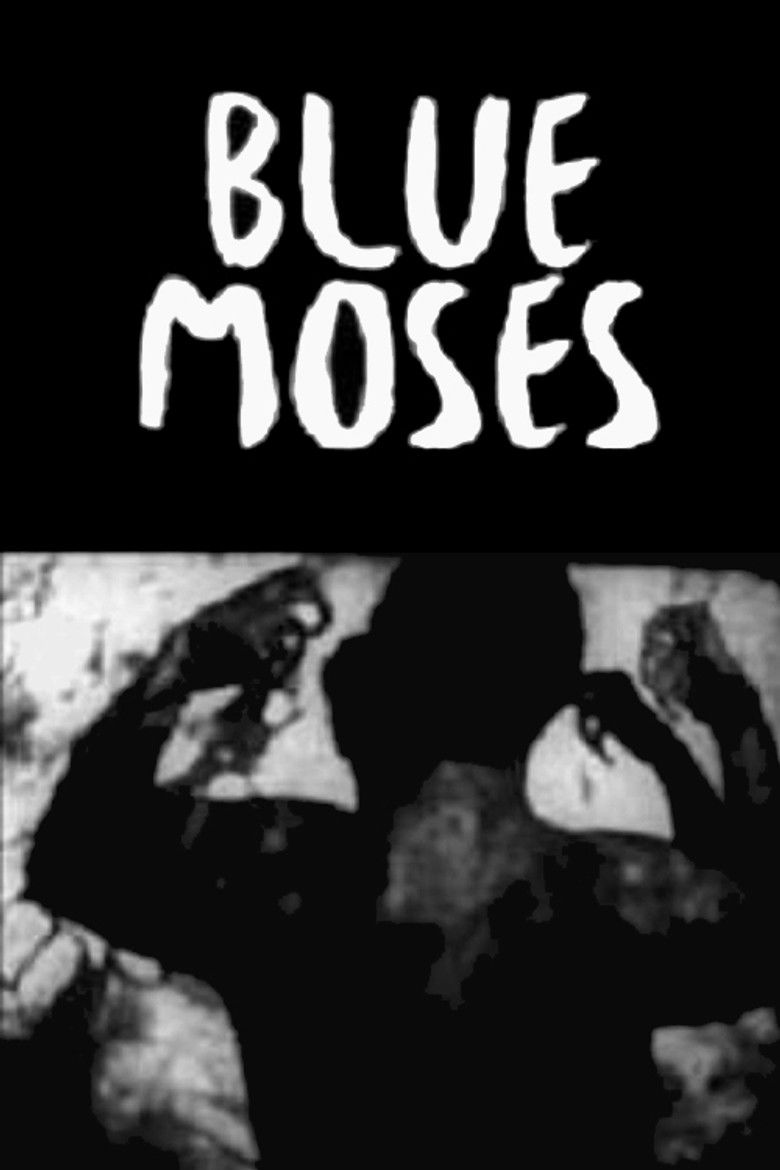
One of the few Brakhage films featuring spoken dialogue and a central character, this sly and bitter polemic pits an actor (poet? director?) against an unseen audience. Preserved by the Academy Film Archive in 2007.
Overall Score
Fair
Category Breakdown
LGBTQ+ Representation
The film lacks explicit evidence of LGBTQ+ characters or non-cisnormative identities. While avant-garde works often subvert heteronormative gazes, no specific representation is documented here.
Gender Representation
The narrative centers on a singular actor in conflict with an audience. This setup potentially subverts gendered power dynamics, though specific character descriptions are unavailable.
Racial & Ethnic Diversity
There is no information regarding the racial or ethnic composition of the cast. The experimental nature of the film leaves these specific details unconfirmed.
Religious & Cultural Diversity
The film functions as a bitter polemic, likely critiquing established social institutions. It prioritizes subjective truth and the deconstruction of traditional authority.
Disability Representation
The provided context contains no evidence of characters with physical or neurodivergent disabilities. There is no indication of disability being used as a narrative device.
Strengths
Areas for Improvement
AI Analysis
Blue Moses is a confrontational, experimental short that prioritizes intellectual disruption over demographic breadth. Its strength lies in its structural critique of the relationship between the creator and the observer. The film lacks explicit markers for racial, gender, or LGBTQ+ diversity, making it difficult to assess representation through a traditional lens. Instead, it focuses on a polemic dialogue that challenges systemic observation. Ultimately, the work functions more as a critique of social conformity and institutional authority than a showcase of diverse identities.
1992

1981
1999
1967

1963
1960
1981
1993
1963

2011
2003
1968
No reviews yet. Be the first to share your thoughts on this movie!
Use the rating form above to leave a star rating and optional review.