Blue Moses
1962
No user ratings available yet
Diversity score: 5.4 out of 10
1992
Director
Stan Brakhage
Runtime
11 minutes
Average Rating
No ratings yetSynopsis
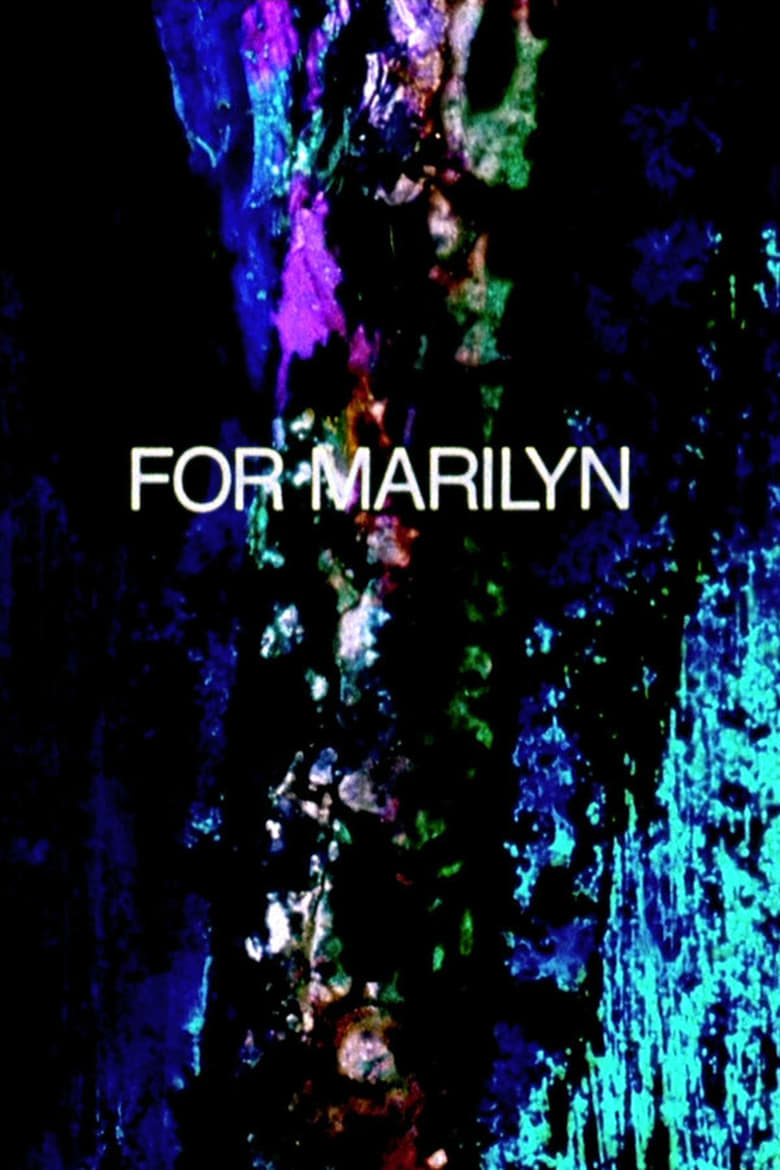
The film is officially untitled, but is referred to by the dedication that appears in place of a title card. It is dedicated to Marilyn Brakhage, the filmmaker's wife. Out of all the 350+ films that Stan Brakhage made, this was his personal favorite.
Overall Score
Minimal
Category Breakdown
LGBTQ+ Representation
The film is a non-narrative, impressionistic meditation. Because it lacks dialogue and character interaction, there is no evidence of LGBTQ+ identities or same-sex intimacy.
Gender Representation
Brakhage eschews the traditional male gaze by avoiding standard gendered tropes. Instead, rapid montage and light manipulation explore the essence of the subject rather than presenting a passive object.
Racial & Ethnic Diversity
The work is a visual study centered on a specific cultural icon. There is no evidence of a diverse cast or the use of race-bent casting.
Religious & Cultural Diversity
The film deconstructs the celebrity mythos through a postmodernist lens. However, it does not explicitly engage in religious subversion or anti-Western critiques.
Disability Representation
There is no evidence of subjects portrayed with visible or invisible disabilities. Disability is not utilized as a narrative device within this experimental framework.
Strengths
Areas for Improvement
AI Analysis
As a non-narrative experimental short, the film prioritizes formalist disruption over social commentary. Its lack of characters, dialogue, and plot prevents it from engaging with identity politics or intersectional representation. The work's value lies in its sensory experience and deconstruction of the cinematic medium. It functions as a visual study of an icon rather than a vehicle for systemic social critique. While it avoids mainstream gendered tropes, the abstract nature of the film means it cannot fulfill the criteria for traditional diversity metrics found in narrative cinema.
1962
1999
1967
1981
1960
1993
1991
1964

1964
1966

1969

2003
No reviews yet. Be the first to share your thoughts on this movie!
Use the rating form above to leave a star rating and optional review.