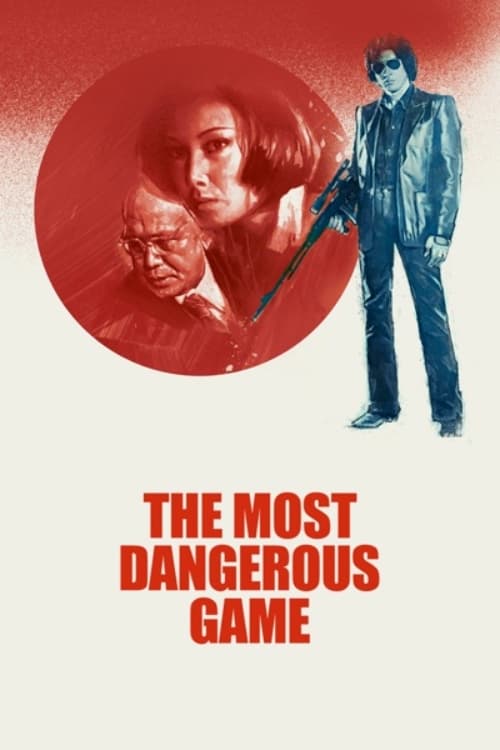
The Most Dangerous Game
1978
No user ratings available yet
Diversity score: 3.7 out of 10
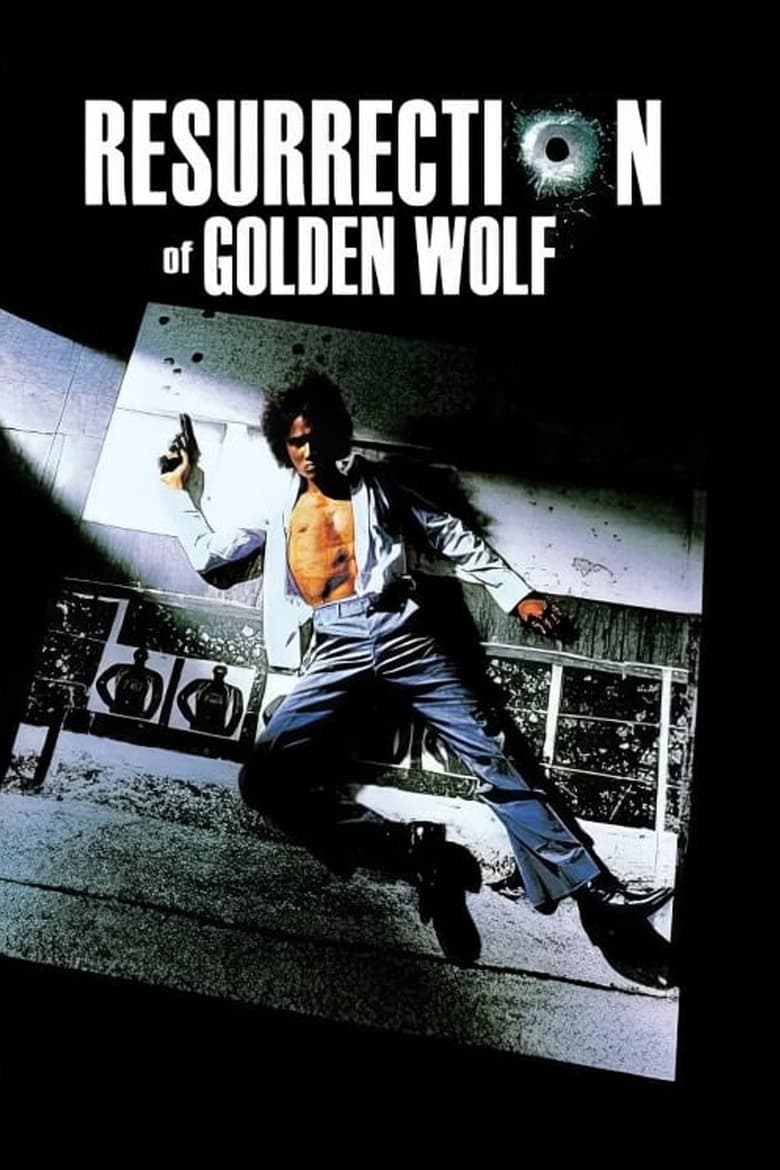
1979
Director
Tōru Murakawa
Runtime
131 minutes
Average Rating
No ratings yetSynopsis
A seemingly run-of-the-mill corporate salaryman leads a double life as a vicious criminal by night. In a delicious scheme of payback, he seeks to dominate the corporation that employs him by day.
Overall Score
Fair
Category Breakdown
LGBTQ+ Representation
The film lacks explicit evidence of non-heteronormative identities. It adheres to standard 1979 crime cinema archetypes, focusing on masculine-coded conflict and corporate rivalry.
Gender Representation
The narrative centers on a male protagonist's dual life as a salaryman and criminal. This structure reinforces traditional masculine hierarchies and emphasizes physical agency over gender subversion.
Racial & Ethnic Diversity
Casting is ethnically homogeneous, reflecting the Japanese film industry of the era. The story focuses on internal Japanese social structures and domestic social dynamics.
Religious & Cultural Diversity
The film critiques Western-style corporate structures through a Japanese lens. It disrupts the idealized 'loyal salaryman' archetype by portraying the corporation as an entity to be conquered.
Disability Representation
There is no documented evidence of characters with visible or invisible disabilities integrated into the narrative arc.
Strengths
Areas for Improvement
AI Analysis
The film serves as a character study of individualistic rebellion against institutional constraints. It replaces the archetype of the compliant worker with a figure of disruptive agency, though it does so through a narrow lens. While the narrative offers a nuanced critique of rigid social conformity and corporate corruption, it lacks contemporary intersectional markers. The focus remains heavily on masculine-coded power struggles and domestic social hierarchies. Ultimately, the work functions within a culturally specific framework that prioritizes the friction between individual agency and the rigid structures of late 70s Japanese society.
1978

2022

1980

1963
1964

1972
1973
1973
1960

1976

1972
1970
No reviews yet. Be the first to share your thoughts on this movie!
Use the rating form above to leave a star rating and optional review.