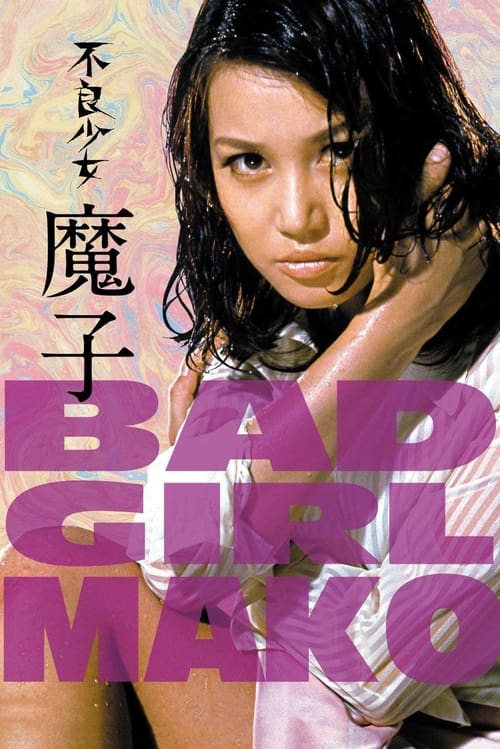
Bad Girl Mako
1971
No user ratings available yet
Representation score: 5.2 out of 10
Representation Score
Fair
1973
Director
Atsushi Mihori
Runtime
83 minutes
Average Rating
No ratings yetNew Showbiz Analysis
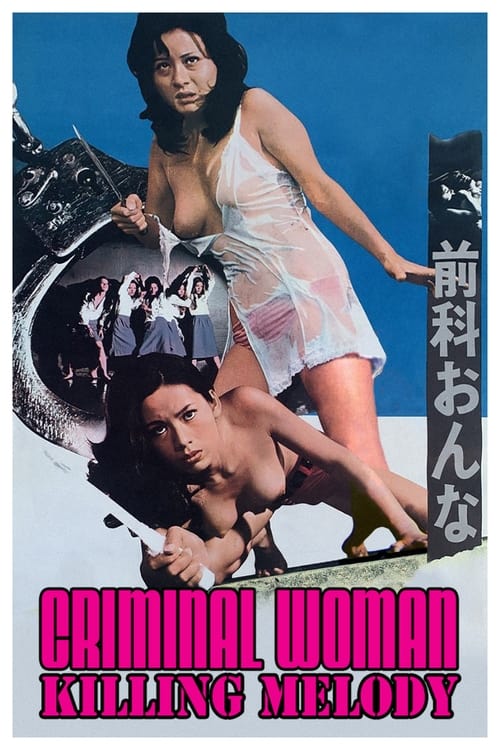
Criminal Woman: Killing Melody is a striking example of 1970s exploitation cinema that centers on female empowerment. The protagonist transitions from a victim of systemic violence to a strategic thinker, providing a powerful subversion of traditional crime genre roles. While the film lacks racial and LGBTQ+ diversity, it excels in critiquing patriarchal and institutional power. The narrative uses the Yakuza underworld to explore themes of class disparity and social rebellion. Ultimately, the film's strength lies in its refusal to depict women as passive, instead presenting them as intellectual forces capable of dismantling established male hierarchies.
Category Breakdown
The film showcases a community of women in prison who bond together despite the absence of explicit romantic pairings. These bonds create a supportive environment that exists outside traditional patriarchal structures.
Reiko evolves from a victim into a strategic leader, disrupting gender hierarchies. She manipulates male-led Yakuza organizations, challenging the typical passive roles often associated with women.
The cast reflects a culturally homogeneous Japanese setting. The narrative focuses on internal class and social stratification without blending multi-layered racial perspectives.
The story critiques corrupt institutions such as the Yakuza and capitalist systems. It highlights systemic oppression within the criminal underworld through class disparity.
There is no discernible evidence regarding the portrayal of physical or neurodivergent disabilities in the narrative.
Present on Screen
Limited or Absent
Official Synopsis
Reiko Ike stars as the daughter of a man who has been pushed into drug dealing by the local Yakuza mob. Having outlived his usefulness to the gang he is murdered and Reiko is gang raped, leading her to attempt a knife attack on the Yakuza boss (Ryoji Hayama) at a swank nightclub. Failing to kill him she ends up in prison, where she befriends a crew of other malcontents (including Yumiko Katayama and Chiyoko Kazama) and meets the Yakuza boss's girlfriend (Miki Sugimoto). Upon release Reiko reassembles her mob and launches a Machiavellian scheme to engineer a gang war between Hayama's Oba Industries and the formerly dominant Hamayasu Clan. The rival gangs begin killing each other off and Reiko works her way closer to her ultimate vengeance.
1971
1973
1971
1972
1987
1974

1975
1973
No reviews yet. Be the first to share your thoughts on this movie!
Use the rating form above to leave a star rating and optional review.