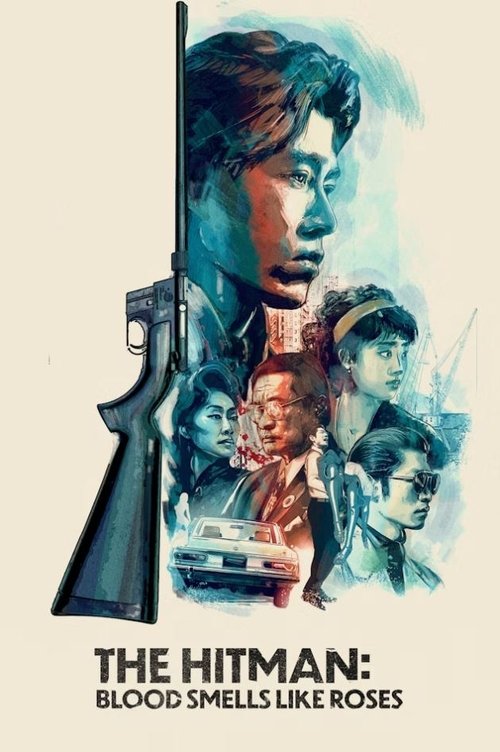
The Hitman: Blood Smells Like Roses
1991
No user ratings available yet
Representation score: 1.9 out of 10
Representation Score
Limited
1999
RDirector
Toshimichi Ohkawa
Runtime
82 minutes
Average Rating
No ratings yetNew Showbiz Analysis
The film adheres to the conventions of late-90s crime thrillers, emphasizing genre clichés over progressive representation. While the cross-continental setting provides a basis for cultural diversity, the character dynamics remain largely traditional. Gender roles are clearly defined, with women often serving as emotional catalysts for male action rather than independent agents. The protagonist's adherence to a samurai code adds a layer of cultural complexity, yet the story remains a typical quest for justice. Overall, the absence of diverse identities and the reliance on traditional romantic and gendered frameworks limits the film's exploration of multiple aspects of identity.
Category Breakdown
The story revolves around a traditional heterosexual relationship between the main character and his girlfriend, Yoko. It does not include non-straight or non-cisgender identities or narratives that challenge the idea that everyone is straight or cisgender.
Female characters such as Yoko play supporting roles, serving mainly as emotional catalysts for the male lead. The plot emphasizes traditional masculine roles through the protagonist's pursuit of revenge.
The film showcases cross-cultural interactions by featuring a Japanese protagonist in Los Angeles. This setting allows for a mix of cultural contexts and diverse urban casting.
The narrative explores a unique moral code that blends criminal activity with a strict samurai ethos. However, the story focuses on personal retribution rather than broader cultural critiques.
The film does not feature any characters dealing with physical, neurodivergent, or mental health conditions.
Present on Screen
Limited or Absent
Official Synopsis
After a three-year prison term in Japan, a yakuza heads for LA to buy two kilos of cocaine. He's going to smuggle it back to Japan, and it's to be his last score: he wants to marry Yoko, his long-suffering girlfriend, and get out of the life. But somebody sets him up, Yoko is shot, and he loses the suitcase of dope. He determines to stay in LA, retrieve the coke, and exact revenge: although he's a drug dealer, he still follows the samurai code of the yakuza. Along the way, he learns that his long-lost younger sister is in Los Angeles, and he teams up with an unlikely partner in his quest for justice: a petty thief who's trying to help a young woman get back to Japan.
1991
2017
1964
1974
2007
1992
1975

1991
No reviews yet. Be the first to share your thoughts on this movie!
Use the rating form above to leave a star rating and optional review.