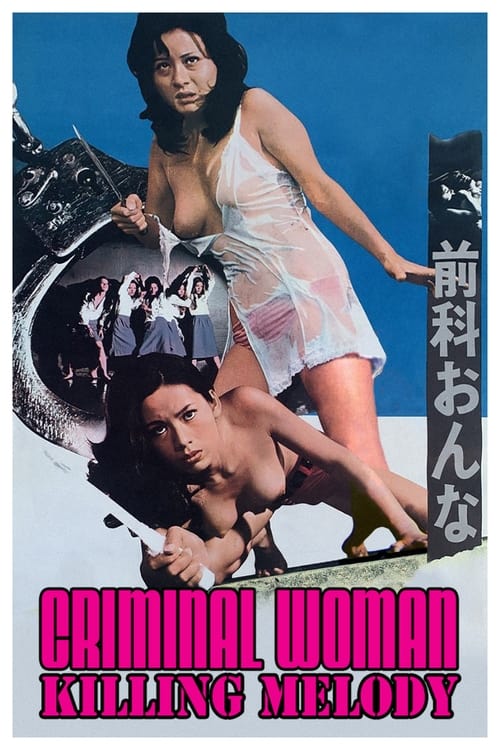
Criminal Woman: Killing Melody
1973
No user ratings available yet
Diversity score: 5.3 out of 10

1971
Director
Kazuhiko Yamaguchi
Runtime
86 minutes
Average Rating
No ratings yetSynopsis
Reiko Oshida stars as a young wannabe gangster tough girl, just released from reform school. She tracks down one of her classmates fathers, who runs an auto repair shop that the local Yakuza are trying to force out of business and take over, and starts working for him. At the same time a recently released from prison, and now ill Yakuza is trying to make a new life for himself and his girl, a friend of Reiko's, who also just graduated from reform school. A fateful car crash brings the two on a collision course with each other and the brutal Yakuza clan, which can only end bloody vengeance.
Overall Score
Good
Category Breakdown
LGBTQ+ Representation
The film lacks explicit depictions of LGBTQ+ identities or same-sex intimacy. The narrative focuses on the relationships between the female protagonist, her friend, and male Yakuza members.
Gender Representation
Reiko Oshida's character subverts traditional hierarchies by acting as a tough, autonomous gangster. She possesses high agency, actively navigating the Yakuza underworld rather than serving as a passive victim.
Racial & Ethnic Diversity
The production features a culturally homogeneous Japanese cast typical of its era. It offers immersion into post-war youth delinquency without utilizing multi-ethnic or diverse ethnic representation.
Religious & Cultural Diversity
The story critiques established power structures by centering characters from the margins of society. It frames delinquency as a response to systemic pressures and corrupt organized crime.
Disability Representation
A character is described as ill, but it is unclear if this serves as a meaningful portrayal. There is insufficient evidence to determine if disability is a central theme.
Strengths
Areas for Improvement
AI Analysis
The film stands out for its subversion of gender roles through the Sukeban subgenre. By centering a female protagonist with high agency in a hyper-masculine criminal world, it challenges patriarchal structures. However, the narrative lacks intersectional breadth. The cast is culturally homogeneous, and there is no explicit representation of LGBTQ+ identities or diverse ethnic groups. Ultimately, the film succeeds as a critique of institutional authority and social hierarchies, even if it remains limited in its broader demographic diversity.
1973

1970
1996
1973
1974
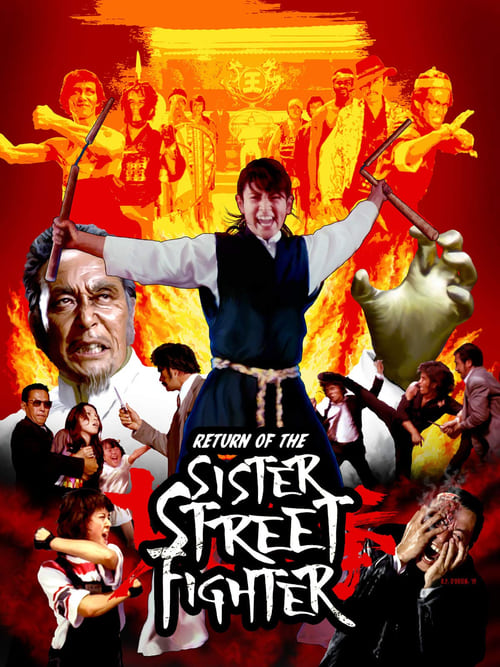
1975

1976
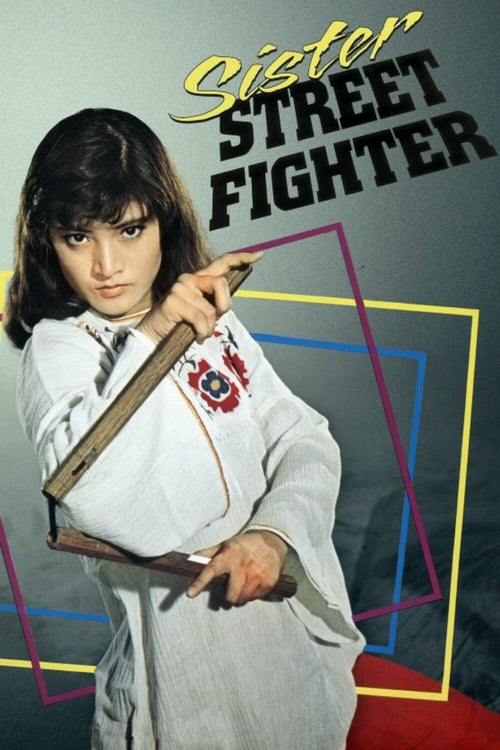
1974
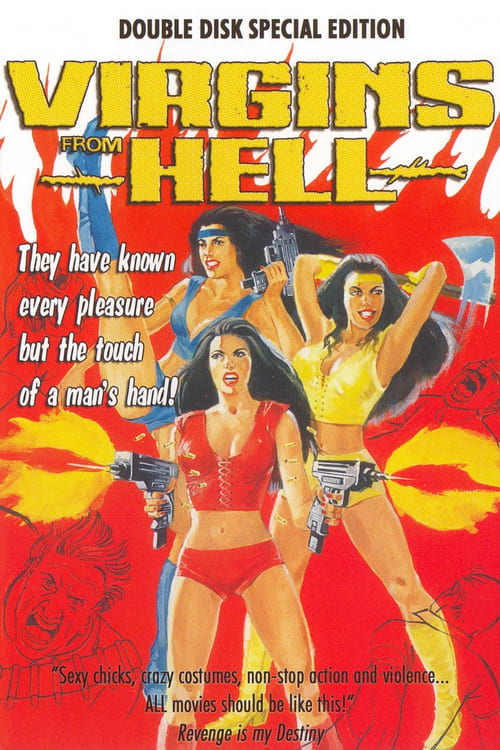
1987
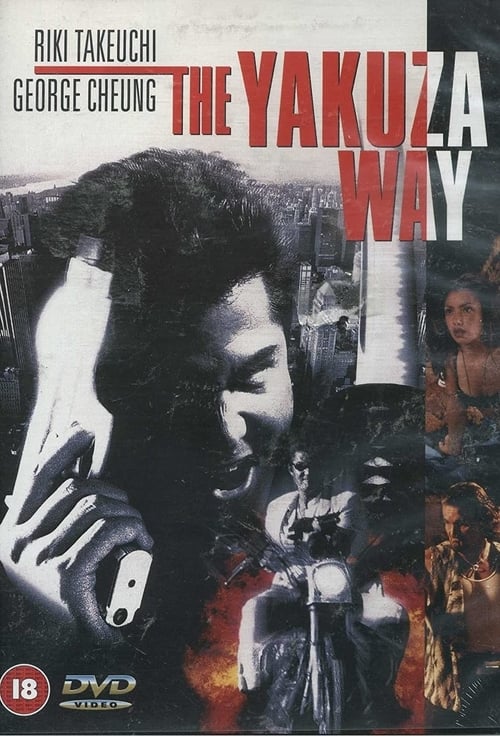
1999
1970
1973
No reviews yet. Be the first to share your thoughts on this movie!
Use the rating form above to leave a star rating and optional review.