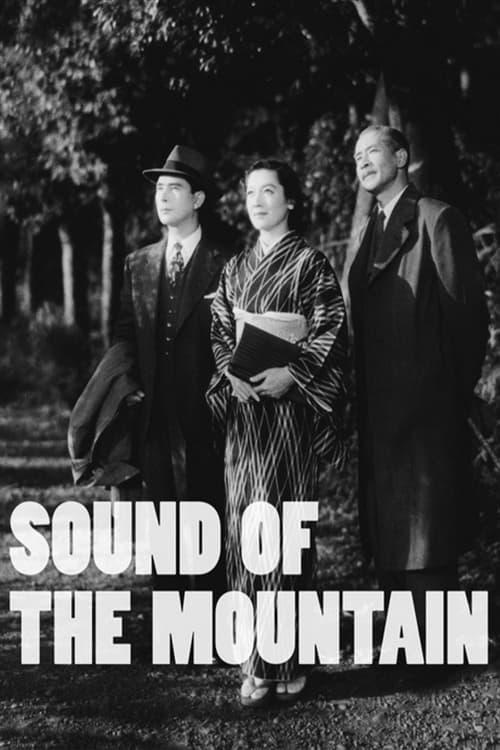
Sound of the Mountain
1954
No user ratings available yet
Representation score: 3.8 out of 10
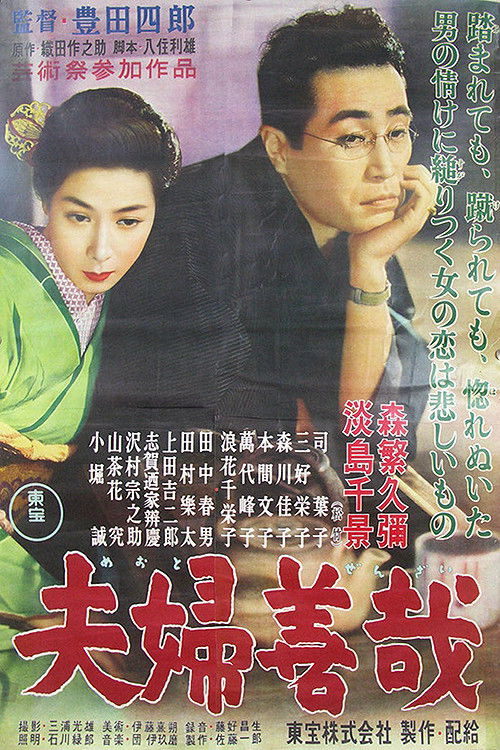
Representation Score
Limited
1955
Director
Shirō Toyoda
Runtime
121 minutes
Average Rating
No ratings yetNew Showbiz Analysis
Shirō Toyoda’s drama succeeds as a social study by challenging the era's expectations of patriarchal stability. By highlighting Choko’s economic ability to act and psychological endurance, the film disrupts conventional gendered power dynamics and critiques the reliability of the nuclear family. However, the film lacks modern markers of diversity. It operates within a culturally homogeneous framework and offers no representation of LGBTQ+ identities or disability, limiting its scope to a specific social context. Ultimately, the film's strength lies in its unsentimental portrayal of domestic failure and the rejection of idealized masculine leadership.
Category Breakdown
The film does not include any visible LGBTQ+ characters or explore non-straight relationships. The story focuses solely on a traditional, fractured heterosexual marriage.
The film challenges traditional gender roles by showing Ryukichi's incompetence and Choko's significant role as the primary economic driver and architect of survival.
The cast is culturally uniform, reflecting the social reality of 1950s Japan. The narrative does not blend or subvert racial stereotypes.
The story questions the sanctity of the family unit and traditional domestic ideals. It emphasizes individual survival and labor over rigid patriarchal or religious social codes.
There are no identifiable depictions of physical, sensory, or neurodivergent disabilities within the film.
Present on Screen
Limited or Absent
Official Synopsis
Ryukichi, the pampered heir to a cosmetics wholesaler, abandons his wife and child to pursue a scandalous affair with a famous geisha named Choko. This betrayal leads his father to disown him, leaving the unskilled Ryukichi with no way to earn a living. To keep them afloat, Choko is forced to continue working as a geisha while secretly scraping together a nest egg to start their own business. However, Ryukichi remains trapped in his hedonistic lifestyle, eventually squandering Choko’s hard-earned savings on his own self-indulgence.
1954
1960
1955
1958

1958
1953
1951

1953
No reviews yet. Be the first to share your thoughts on this movie!
Use the rating form above to leave a star rating and optional review.