
THE LEGEND & BUTTERFLY
2023
No user ratings available yet
Diversity score: 3.9 out of 10
2010
Director
Ryuichi Hiroki
Runtime
133 minutes
Average Rating
No ratings yetSynopsis
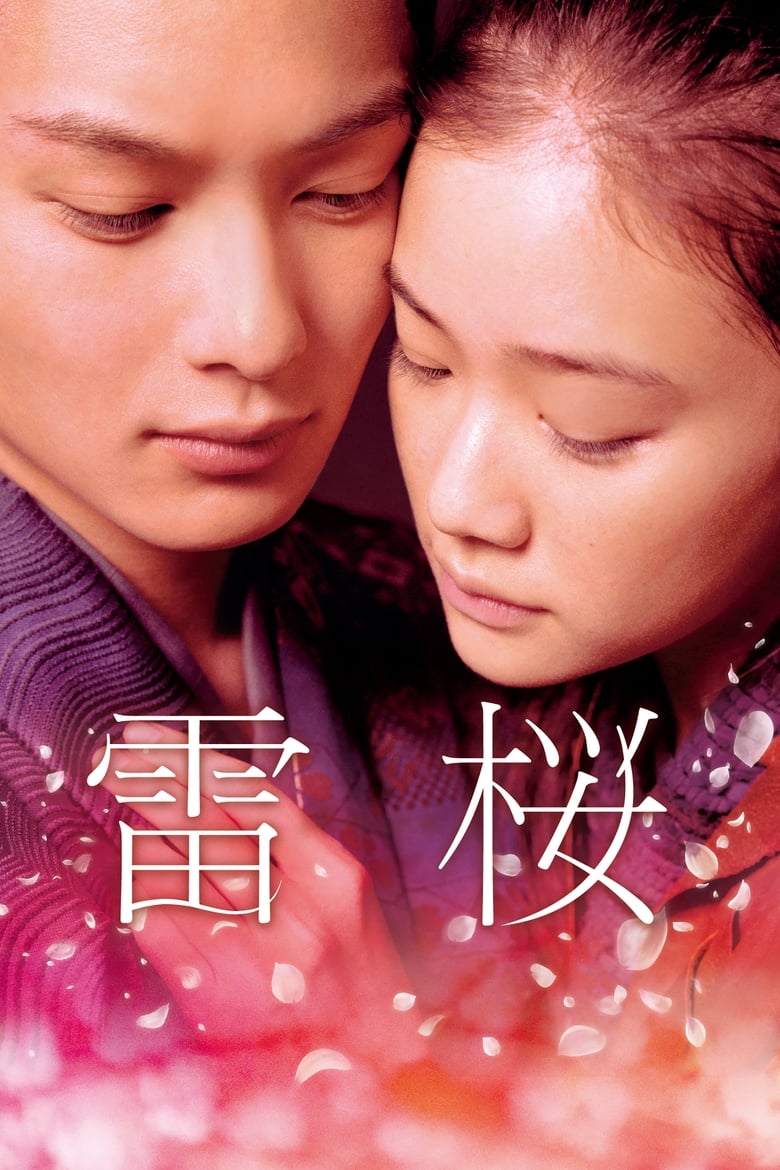
Set during the Edo Period, a young man from a noble family meets a young woman under a special tree called "Raiou" (the tree was struck by lightning at one time with the broken part eventually sprouting out cherry blossoms). The young woman lived freely in the mountains after she was abducted as a young child. The couple soon fall in love under the Raiou tree, but become acutely aware of their different social positions & the ramifications it has on their relationship.
Overall Score
Good
Category Breakdown
LGBTQ+ Representation
The film centers on a heterosexual romance. However, it explores non-traditional lifestyles through a female protagonist living outside conventional societal structures, suggesting a departure from heteronormative expectations.
Gender Representation
The female protagonist possesses significant agency, subverting the traditional damsel trope. Her history of survival and independence in the mountains defines her as an autonomous figure rather than a mere romantic interest.
Racial & Ethnic Diversity
Set in the Edo Period, the cast is ethnically homogeneous. While it avoids a Western-normative lens by centering a Japanese historical experience, it does not actively diversify the ethnic makeup.
Religious & Cultural Diversity
The narrative offers a sophisticated critique of traditional institutional power. It frames rigid Edo Period class structures as oppressive forces that stifle individual agency and personal autonomy.
Disability Representation
There is no evidence of characters with visible or invisible disabilities within the narrative.
Strengths
Areas for Improvement
AI Analysis
The Lightning Tree is a character-driven study of systemic friction rather than a simple period romance. It succeeds by using the rigid social hierarchies of the Edo Period to explore the tension between individual desire and state-imposed constraints. The film's strength lies in its subversion of gendered expectations and its critique of class-based limitations. By centering the conflict on the impossibility of the protagonists' union, the story moves beyond sentimentality into a deeper exploration of social agency. While the film lacks ethnic or LGBTQ+ diversity, it provides a meaningful look at how individuals navigate oppressive social orders. The central metaphor of the Raiou tree reinforces themes of resilience within a predetermined social structure.
2023

1957
2011

2006
2015
No reviews yet. Be the first to share your thoughts on this movie!
Use the rating form above to leave a star rating and optional review.