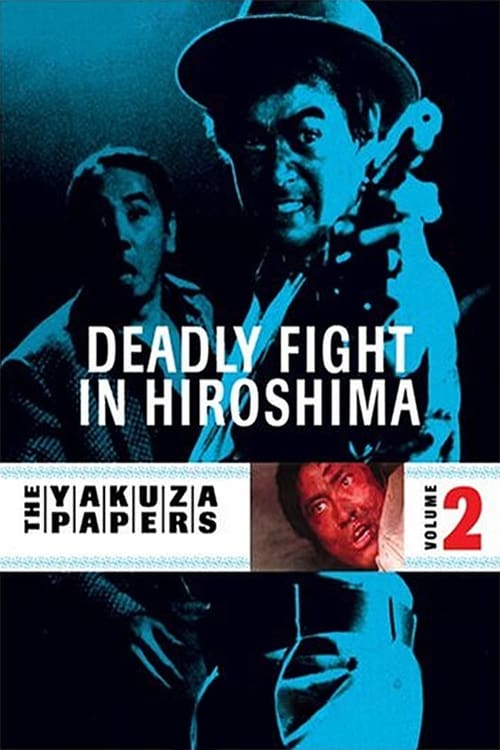
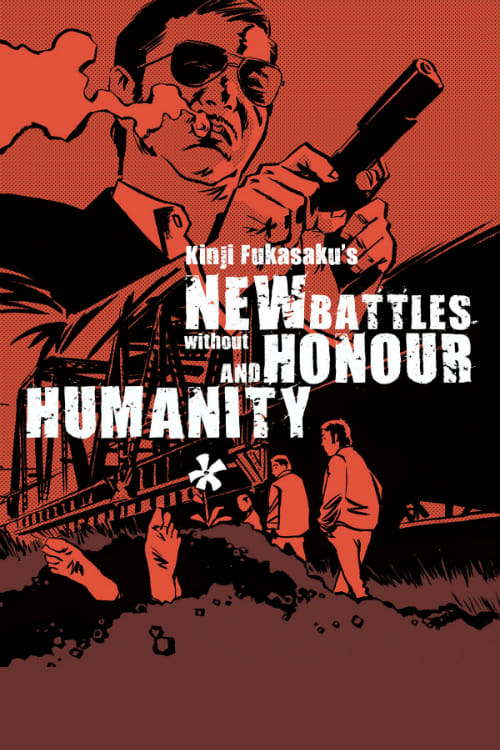
Battles Without Honor and Humanity: Deadly Fight in Hiroshima
1973
No user ratings available yet
Representation score: 5.0 out of 10
Representation Score
Minimal
1974
Not RatedDirector
Kinji Fukasaku
Runtime
98 minutes
Average Rating
No ratings yetNew Showbiz Analysis
Kinji Fukasaku’s work presents a gritty, nihilistic realism that challenges traditional genre clichés. While the film lacks diverse representation, it excels in its critical deconstruction of romanticized historical and moral hierarchies. The film’s strength lies in its postmodern critique of authority and honor codes, replacing the myth of the honorable criminal with a harsh reality. It highlights the predatory nature of black-market capitalism and the disruptive effects of Western influence. However, the film’s narrow focus on a masculine-centric study of a specific historical era sidelines women, LGBTQ+ individuals, and people with disabilities.
Category Breakdown
The film focuses solely on the male-dominated yakuza underworld and does not include any visible LGBTQ+ narratives.
The story follows a strict patriarchal structure where women are mostly shown as domestic figures or victims, without much involvement in the main power struggles.
The cast is made up of actors who represent the Japanese working class during the American occupation of post-WWII Hiroshima, providing a realistic depiction of the time period.
The film effectively challenges the myth of the noble yakuza and critiques traditional honor codes, offering a nuanced view of the chaos brought about by Western influence.
There is no focus on physical or neurodivergent disabilities in the film, and these themes are not part of the main character arcs.
Present on Screen
Limited or Absent
Official Synopsis
Bunta Sugawara is Miyoshi, a low-level assassin of the Yamamori gang who is sent to jail after a bungled hit. While in stir, family member Aoki attempts to seize power from the boss, and Miyoshi finds himself stuck between the two factions with no honorable way out.
1973
1973
1977
1966
1973
1974
1973
1976
No reviews yet. Be the first to share your thoughts on this movie!
Use the rating form above to leave a star rating and optional review.