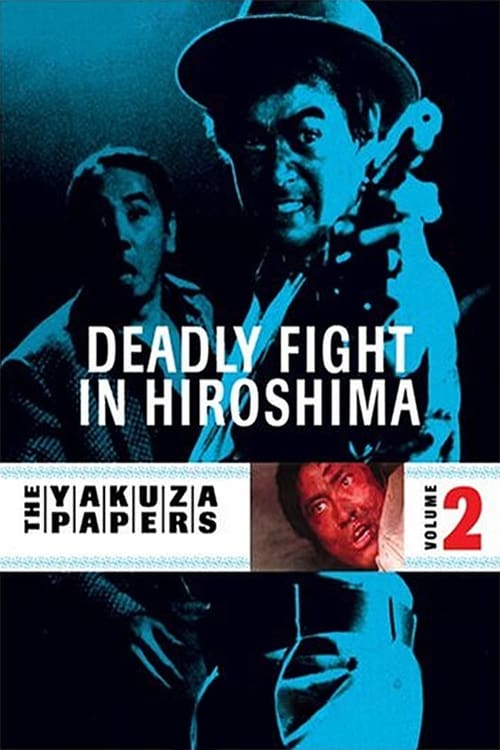
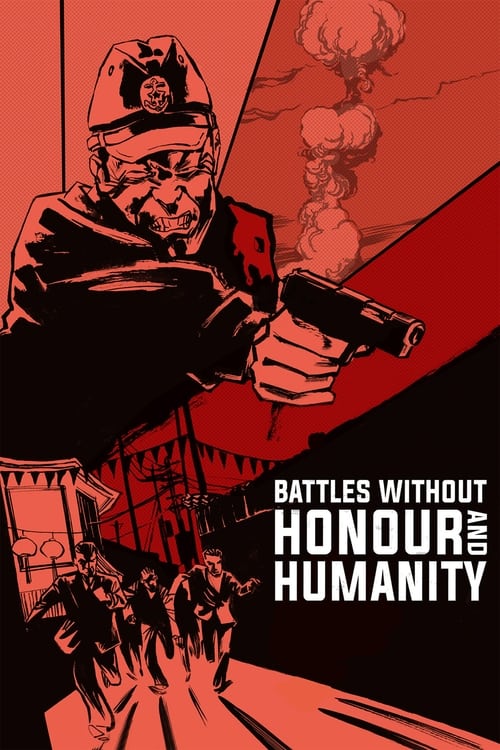
Battles Without Honor and Humanity: Deadly Fight in Hiroshima
1973
No user ratings available yet
Representation score: 5.0 out of 10
Representation Score
Minimal
1973
Not RatedDirector
Kinji Fukasaku
Runtime
99 minutes
Average Rating
No ratings yetNew Showbiz Analysis
Kinji Fukasaku’s work stands out for its ability to challenge traditional narratives. However, its progressiveness lies in its critique of societal structures rather than in demographic diversity. The film replaces romanticized archetypes with a cynical, postmodern view of social dynamics. Yet, it remains narrowly focused on extreme masculinity, leaving little room for broader gender or LGBTQ+ representation.
Category Breakdown
The film focuses exclusively on male-driven power struggles and does not engage with queer themes or non-binary gender identities.
Women are confined to peripheral roles as domestic figures. The narrative lacks their involvement in central conflicts, reinforcing a strict patriarchal structure.
The cast is predominantly Japanese, reflecting postwar Osaka. While it avoids a Western-centric perspective, it maintains ethnic homogeneity without addressing diversity.
The film critiques traditional honor codes by portraying them as tools used by the powerful to exploit the working class.
The film does not prominently feature characters with disabilities as central narrative drivers.
Present on Screen
Limited or Absent
Official Synopsis
In the teeming black markets of postwar Japan, Shozo Hirono and his buddies find themselves in a new war between factious and ambitious yakuza.
1973

1964
1974
1999
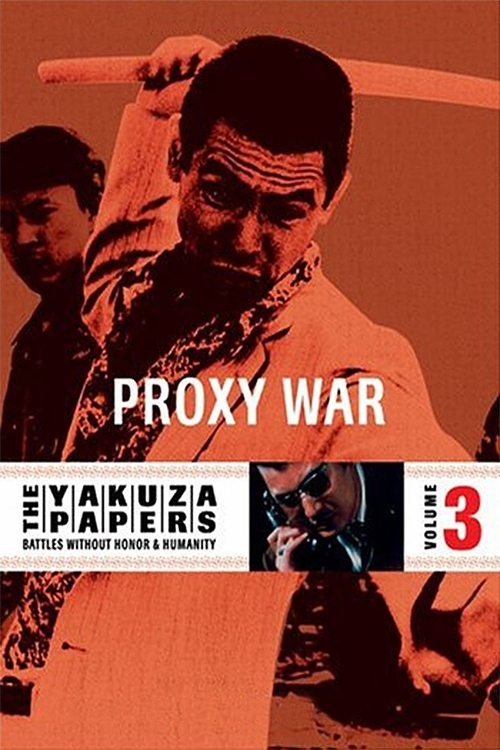
1973
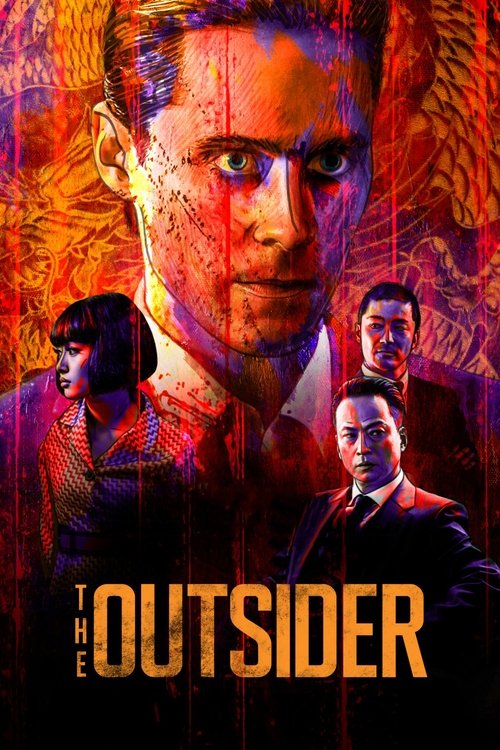
2018
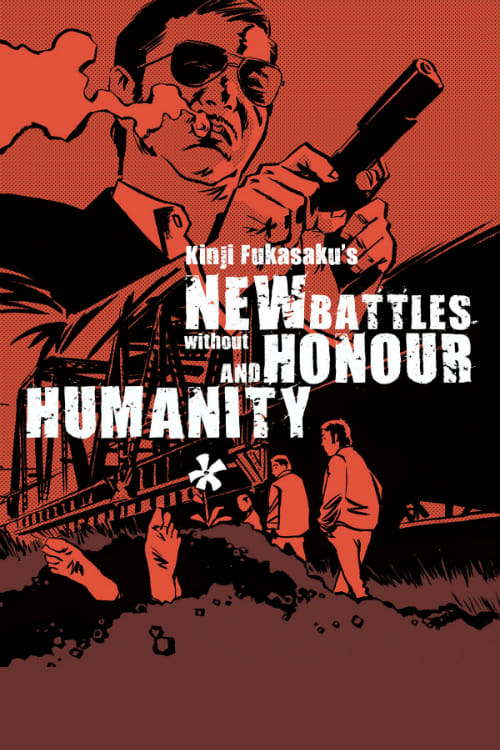
1974
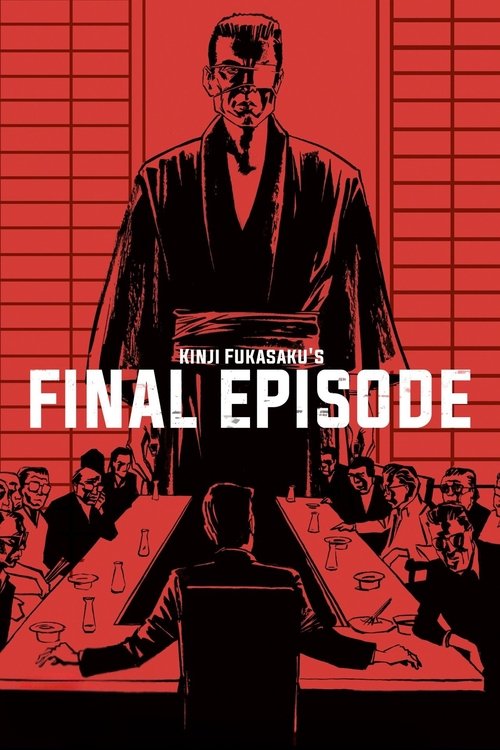
1974
No reviews yet. Be the first to share your thoughts on this movie!
Use the rating form above to leave a star rating and optional review.