
South Wind
1959
No user ratings available yet
Diversity score: 3.6 out of 10

1994
RDirector
Raymond Lee Wai-Man
Runtime
90 minutes
Average Rating
No ratings yetSynopsis
Shau has started hating the life as a killer. She requests retiring from the organisation. However, in return, the organisation assigned her boyfriend to kill her. Shau killed him out of self defense. During the confrontation, she is also injured but can escape. Tea house owner To saved her from death. Shau recovers and starts enjoying the village life. However, the killers suddenly appear and a bloody confrontation begins.
Overall Score
Fair
Category Breakdown
LGBTQ+ Representation
The story centers on a heterosexual romance between Shau and her partner. There is no evidence of non-cisnormative identities or critiques of heteronormativity.
Gender Representation
Shau subverts traditional tropes by playing a professional killer, a role usually reserved for men. She demonstrates high agency while fighting against a patriarchal organization.
Racial & Ethnic Diversity
The film operates within a localized cultural context. While the setting shifts from urban to village, there is no explicit indication of racial blending.
Religious & Cultural Diversity
The plot explores subjective morality through Shau's rejection of her violent past. However, it follows standard dramatic structures rather than prioritizing specific secularist or anti-capitalist ideologies.
Disability Representation
No characters are shown navigating physical or neurodivergent conditions. Shau's injuries serve as plot devices for tension rather than nuanced explorations of disability.
Strengths
Areas for Improvement
AI Analysis
The film's strength lies in its subversion of gendered archetypes. By placing a woman in the role of a professional assassin, the narrative grants Shau significant autonomy and agency. She navigates a life-or-death struggle against a systemic organization, moving from a tool of violence to an independent actor. However, the film lacks intersectional depth. The narrative remains focused on a singular struggle for survival and individual agency, missing opportunities to explore broader social or identity-based complexities. The focus on a heterosexual romantic entanglement further limits the scope of its representation. Ultimately, while the protagonist challenges traditional expectations of feminine competence, the film adheres to standard 1990s genre tropes. It functions more as a high-stakes action drama than a vehicle for systemic social critique.
1959

1987
1969
1994
2008
1985
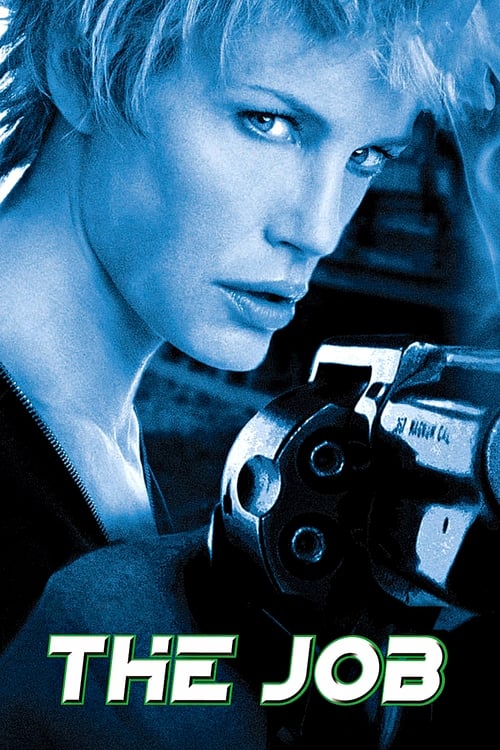
2003
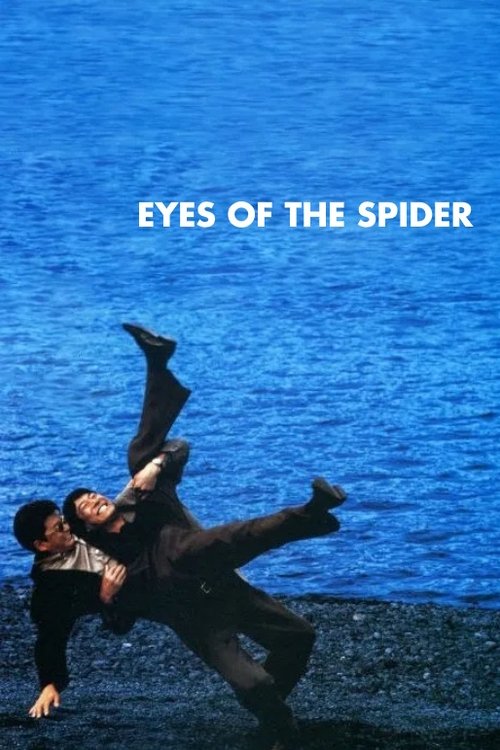
1998
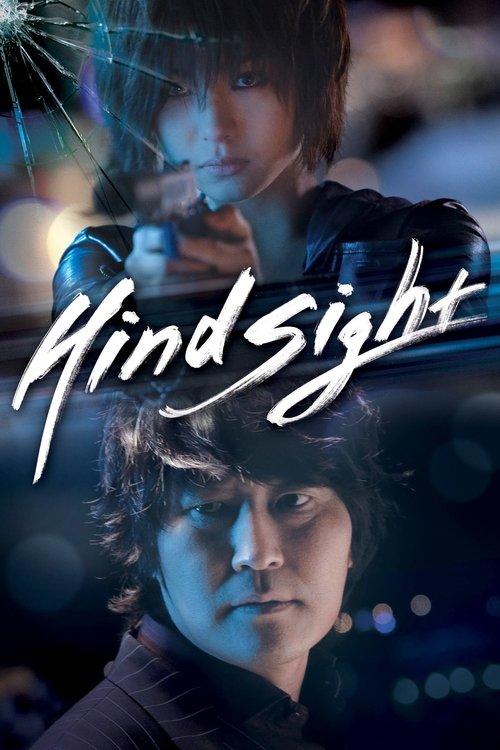
2011
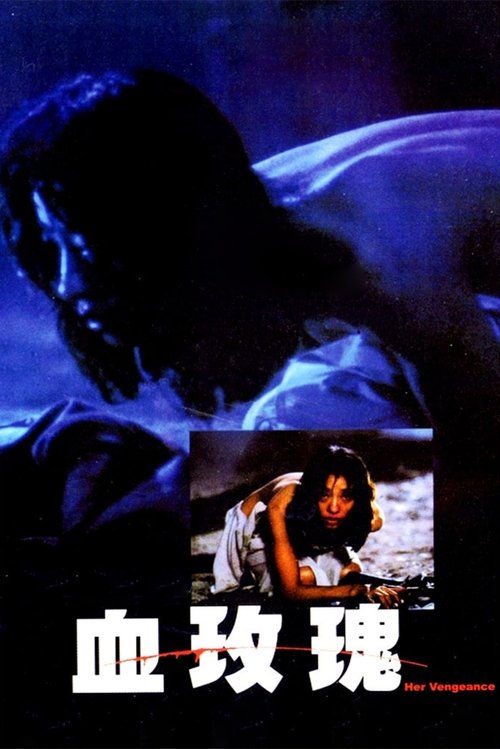
1988
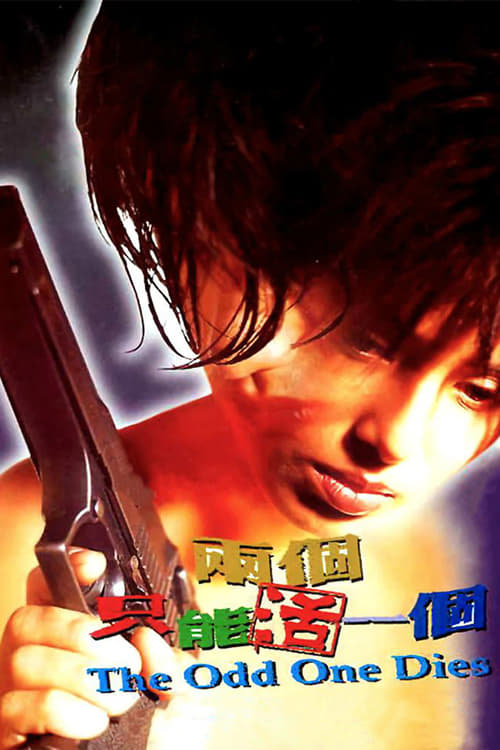
1997
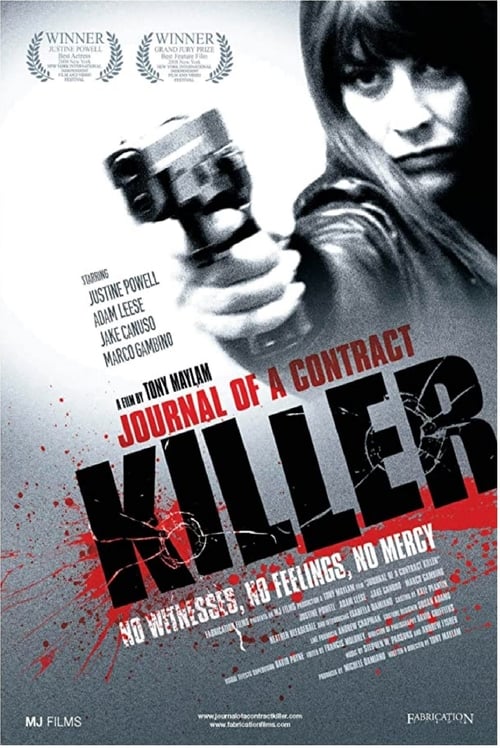
2008
No reviews yet. Be the first to share your thoughts on this movie!
Use the rating form above to leave a star rating and optional review.