
Reminiscence
2017
No user ratings available yet
Diversity score: 4.0 out of 10

1981
Director
Yasuo Furuhata
Runtime
132 minutes
Average Rating
No ratings yetSynopsis
A detective goes out of his way to crack the case of a serial killer who specialises in murdering police officers.
Overall Score
Fair
Category Breakdown
LGBTQ+ Representation
The film follows a traditional detective procedural framework. There is no visible evidence of queer narratives or non-cisnormative identities within the story.
Gender Representation
The narrative centers on a male protagonist navigating a high-stakes investigation. While prominent female actors appear in supporting roles, the film prioritizes masculine agency.
Racial & Ethnic Diversity
The production features a largely homogeneous cast. This reflects the domestic social and industrial realities of 1981 Japan.
Religious & Cultural Diversity
The plot focuses on an individual struggle against a criminal element. It operates within established social orders rather than exploring radical or anti-Western themes.
Disability Representation
There is no mention of characters navigating physical or neurodivergent disabilities in the provided documentation.
Strengths
Areas for Improvement
AI Analysis
Station is a masterclass in traditional genre filmmaking, focusing on a detective's pursuit of a serial killer. The film's strength lies in its technical excellence and character-driven suspense, earning significant Academy recognition. However, the narrative architecture adheres to established social structures. It prioritizes the 'lone investigator' trope and masculine agency, offering little in the way of identity-based deconstruction or intersectional complexity. Ultimately, the film serves as a window into the cinematic standards of its era, favoring traditional order and domestic cultural contexts over modern progressive representation.
2017

1987

1997

2012

1970

2001

2002

1975

1977

1985

2012
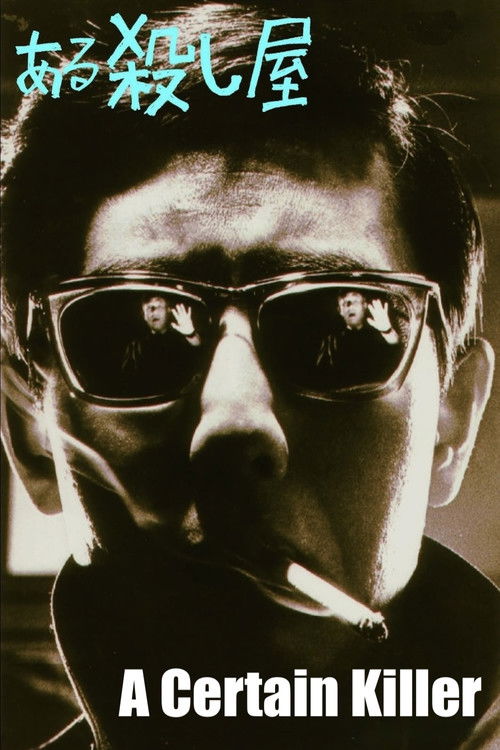
1967
No reviews yet. Be the first to share your thoughts on this movie!
Use the rating form above to leave a star rating and optional review.