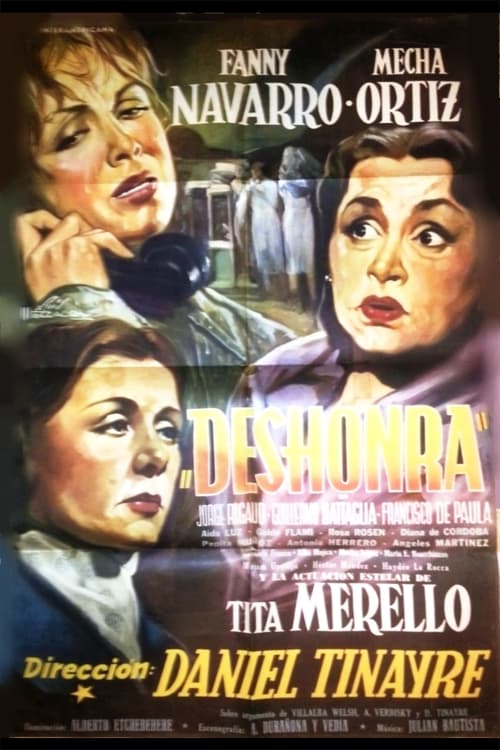
Dishonor
1952
No user ratings available yet
Representation score: 2.8 out of 10
Representation Score
Minimal
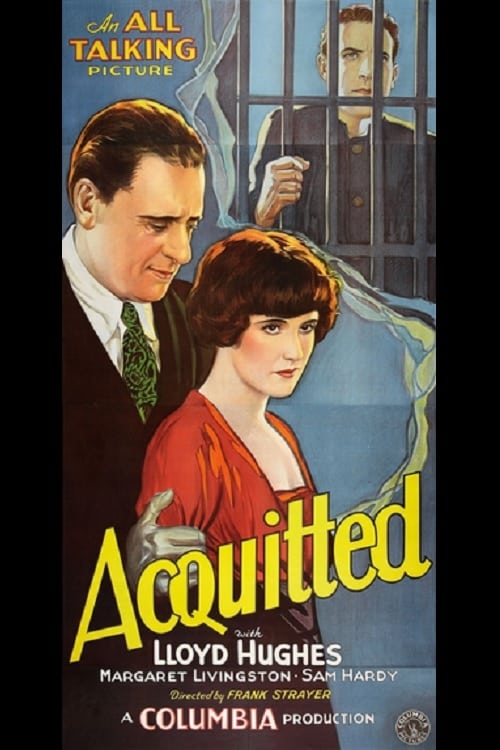
1929
PassedDirector
Frank R. Strayer
Runtime
63 minutes
Average Rating
No ratings yetNew Showbiz Analysis
Acquitted is a traditional crime drama that follows a doctor's struggle against a wrongful murder conviction. The film adheres to the conventional dramatic structures of the early sound era, prioritizing individual justice over broader systemic critiques. Given its focus on a single professional protagonist, the film lacks the diversity needed for broad representation. It reflects the standard social hierarchies and demographic constraints typical of late 1920s studio productions. Ultimately, the film operates as a standard genre piece rather than a vehicle for exploring social issues or multiple layers of diversity.
Category Breakdown
The film does not include any characters with non-binary or transgender identities. The story revolves around a single protagonist fighting a legal battle.
The story centers on a male doctor, a role that historically went to men. There is no mention of women taking leading roles or challenging gender power dynamics.
The film features an Anglo-Saxon cast with no indication of diverse racial backgrounds. It seems to focus on a specific social class and demographic typical of early crime dramas.
The narrative uses a standard wrongful conviction plot. It serves as a critique of legal errors rather than a challenge to Western institutions or the prevailing social order.
There is no information available regarding the depiction of physical or neurodivergent disabilities.
Present on Screen
Limited or Absent
Official Synopsis
A doctor is wrongly convicted of murder and sent to prison.
1952
1936

1930
1930

1939
1915
1929
1937
No reviews yet. Be the first to share your thoughts on this movie!
Use the rating form above to leave a star rating and optional review.