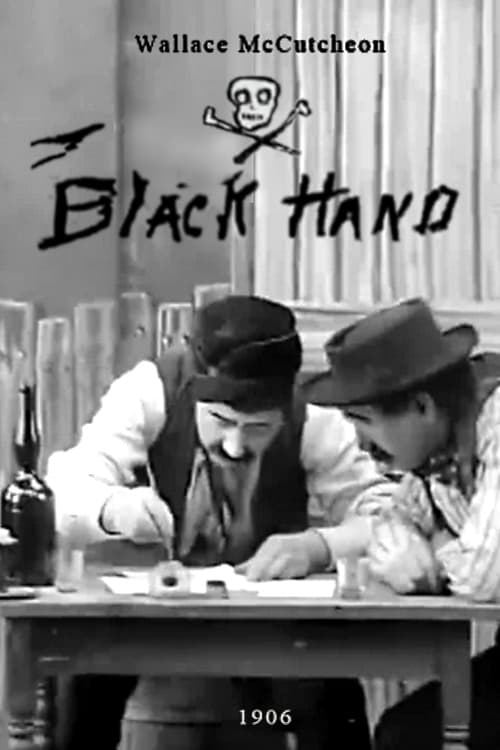
The Black Hand
1906
No user ratings available yet
Representation score: 1.4 out of 10
Representation Score
Minimal
1908
Director
D.W. Griffith, Wallace McCutcheon Jr.
Runtime
10 minutes
Average Rating
No ratings yetNew Showbiz Analysis
The Black Viper is a foundational example of early 20th-century melodrama that reinforces established social hierarchies. Its narrative structure is built upon rigid, binary clichés common to the era. The film relies on the 'damsel in distress' archetype, positioning women as passive recipients of violence and men as the sole agents of protection. This reinforces traditional gendered dynamics rather than challenging them. Additionally, the work lacks depth in reflecting multiple aspects of identity, adhering to the Western-centric homogeneity and moral absolutism typical of 1908 cinema. It functions as a standard genre piece without attempting to disrupt systemic norms.
Category Breakdown
The film does not include any characters with non-straight identities. The plot revolves around a typical rescue scenario between a male rescuer and a female victim.
The story heavily depends on traditional gender roles. The female character is portrayed as a passive victim of kidnapping, while the male character is the active heroic protector.
The film seems to follow the homogeneous casting standards of the early silent era. There is no indication of a non-white majority cast or diverse ethnic representation.
The narrative operates within a framework of traditional morality and social cohesion. It emphasizes a clear distinction between villains and heroes through community intervention.
There is no evidence of characters with visible or invisible disabilities. Disability is not used as a narrative device in this melodrama.
Present on Screen
Limited or Absent
Official Synopsis
A thug accosts a girl as she leaves her workplace but a man rescues her. The thug vows revenge and, with the help of two friends, attacks the girl and her rescuer again as they're going for a walk. This time they succeed in kidnapping the rescuer. The girl runs home and gets help from several neighbors. They track the ruffians down to a cabin in the mountains where the gang has trapped their victim and set the cabin on fire.
1906
1909
1909
1926
1901
1912
1930
1918
No reviews yet. Be the first to share your thoughts on this movie!
Use the rating form above to leave a star rating and optional review.