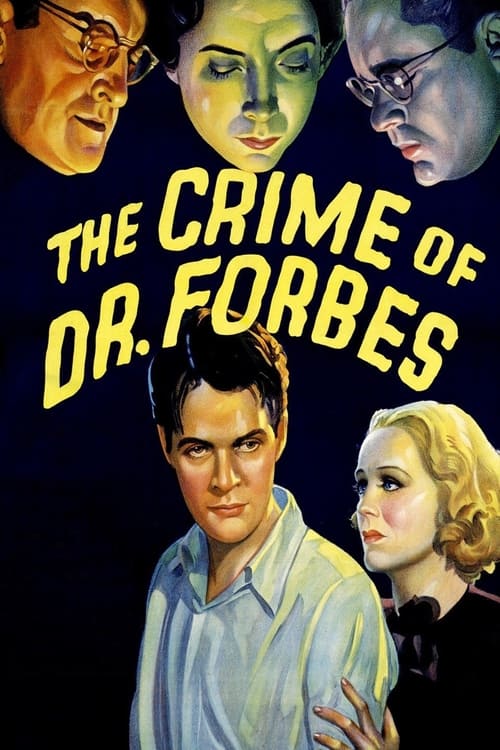
The Crime of Dr. Forbes
1936
No user ratings available yet
Representation score: 1.8 out of 10
Representation Score
Minimal
1936
ApprovedDirector
Herbert Brenon
Runtime
72 minutes
Average Rating
No ratings yetNew Showbiz Analysis
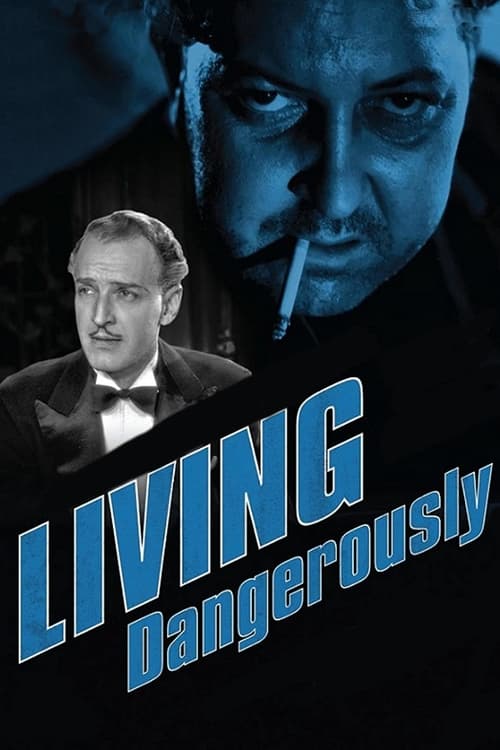
Living Dangerously is a classic crime drama set in the 1930s. Its narrative structure adheres to the storytelling conventions of the time, emphasizing individual actions rather than broader social critiques. The film does not actively challenge established social, racial, or gender hierarchies. While it delves into moral ambiguities, it stays within the confines of its era's dramatic traditions. Ultimately, the film centers on a principled man grappling with moral decay, confined within the conventional boundaries of the period's crime genre.
Category Breakdown
The film does not include any LGBTQ+ characters and follows the assumption that everyone is straight or cisgender.
Male characters dominate the main storyline and criminal activities. Female characters play supporting roles within traditional gender hierarchies.
The film features a homogeneous, predominantly white cast typical of its era. There is no significant representation of non-white characters.
The story focuses on the moral complexities of a protagonist driven towards criminal behavior. It operates as a character study without addressing broader cultural or religious themes.
There are no characters with visible or invisible disabilities in the film. Disability is not used as a theme or tool for character development.
Present on Screen
Limited or Absent
Official Synopsis
The dramatic story of a normal, intelligent man of good principles driven to contemplate thoughts of murder.
1936

1939
1930

1938

1934
1950
1930
1940
No reviews yet. Be the first to share your thoughts on this movie!
Use the rating form above to leave a star rating and optional review.