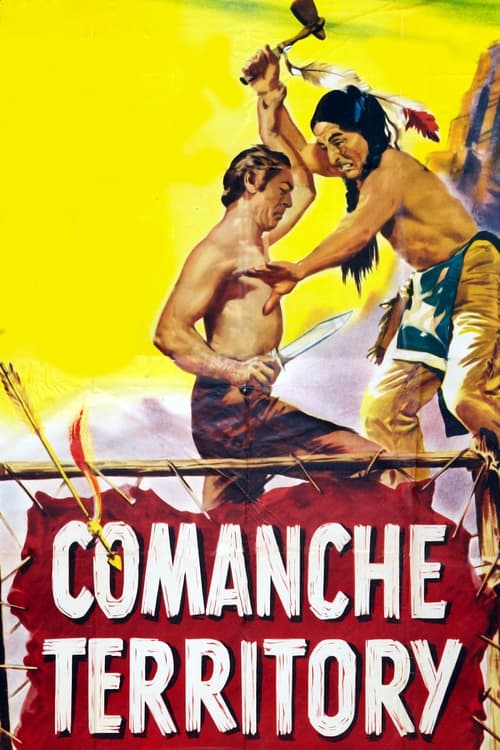
Comanche Territory
1950
No user ratings available yet
Representation score: 0.3 out of 10

Representation Score
Minimal
1956
NRDirector
George Sherman
Runtime
87 minutes
Average Rating
No ratings yetNew Showbiz Analysis
Comanche is a classic mid-century Western that adheres to the social structures of its era. While it aims to explore the tension between tribal sovereignty and U.S. expansionism, it does so through a conventional lens. The film relies on a white protagonist to navigate the cultural divide, which restricts the ability to act of indigenous characters. This narrative choice keeps the story within the traditional boundaries of 1950s studio filmmaking. Overall, the film lacks depth in reflecting multiple aspects of identity, favoring traditional gender roles and a standard racial hierarchy over a more inclusive or modern exploration of identity.
Category Breakdown
The film does not feature any LGBTQ+ characters or identities outside of traditional heterosexual norms. It stays within the confines of a typical 1950s worldview.
Men dominate leadership and combat roles, while women are confined to supporting or domestic duties on the sidelines of the main action.
The story revolves around the Comanche nation but is told primarily from a white protagonist's viewpoint. Although Native American actors are present, the narrative adheres to the racial hierarchies typical of the time period.
The plot delves into the conflict between U.S. institutions and nomadic tribes, focusing on failed diplomacy rather than critiquing Western dominance or religious systems.
There are no significant portrayals of physical or neurodivergent disabilities. Characters with disabilities are not used as central plot devices.
Present on Screen
Limited or Absent
Official Synopsis
Common efforts of the U.S. government and the Comanche nation to negotiate a peace treaty are sabotaged by renegade Indians and by the short-sighted Indian Commissioner.
1950
1963
1943
1965
1961
1958
1951
1966
No reviews yet. Be the first to share your thoughts on this movie!
Use the rating form above to leave a star rating and optional review.