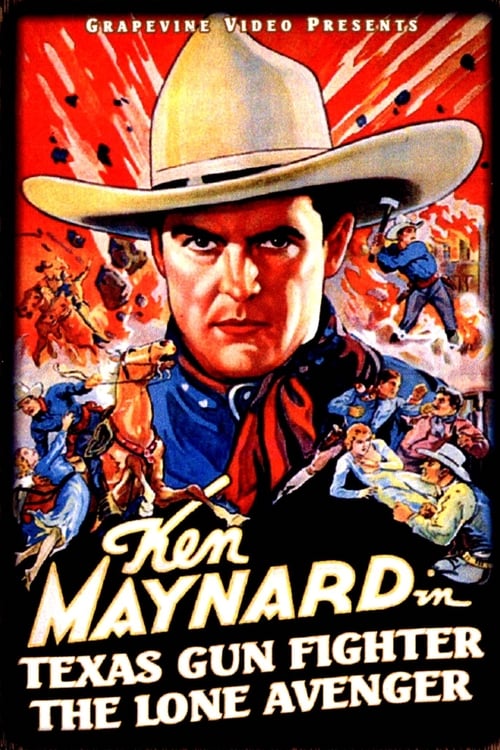
Texas Gun Fighter
1932
No user ratings available yet
Representation score: 1.3 out of 10
Representation Score
Minimal
1932
PassedDirector
Robert N. Bradbury
Runtime
50 minutes
Average Rating
No ratings yetNew Showbiz Analysis
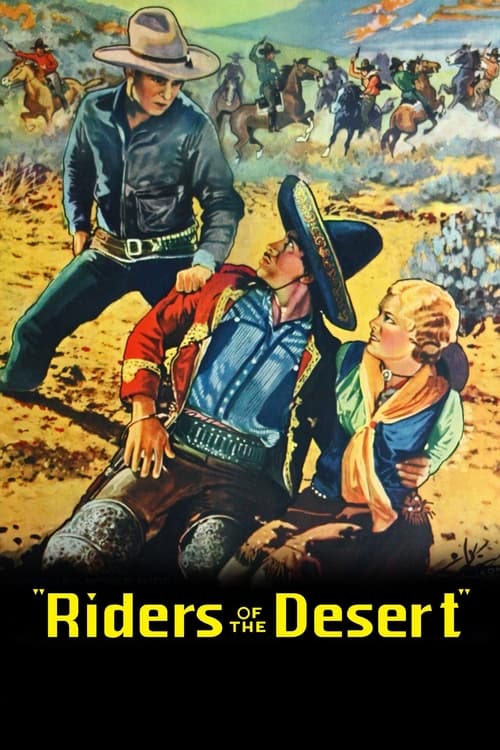
Riders of the Desert is a classic early sound-era Western that emphasizes traditional masculine leadership and frontier justice. The narrative structure relies heavily on established genre clichés, focusing on pursuing outlaws to restore legal authority. Representation is limited by the era's social norms. The film reinforces rigid gender hierarchies and uses ethnic characters primarily as antagonists, offering little complexity beyond standard archetypes. Ultimately, the film upholds institutional stability and clear-cut moral binaries without trying to challenge social hierarchies.
Category Breakdown
The film does not include any LGBTQ+ characters or stories that challenge the idea that everyone is straight or cisgender. It follows the typical romance and adventure plots common in 1932 films.
Men play key roles through physical action and law enforcement. Barbara, a central character, mainly serves as a trigger for male-driven actions.
Non-Anglo characters are mostly part of an outlaw gang. The story uses racial stereotypes and traditional types without much depth.
The story focuses on maintaining institutional stability and law and order. It promotes a single moral code aimed at protecting the frontier community.
There are no characters with visible or invisible disabilities. The emphasis on physical strength and pursuit means there’s no depiction of impairment or neurodivergence.
Present on Screen
Limited or Absent
Official Synopsis
The Rangers in New Mexico are being disbanded but Bob Houston gets them to make one more ride. They go after the outlaw gang led by Hashknife. They catch Hashknife, but he escapes taking Barbara with him and Bob and Slim have to go after him again.
1932
1935
1934
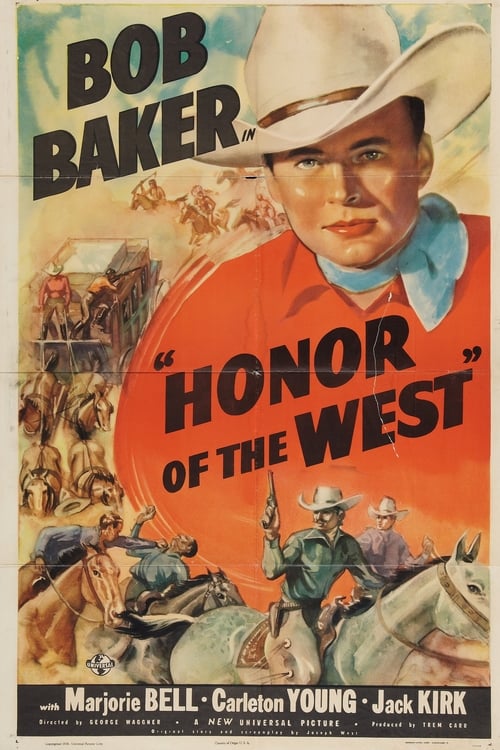
1939
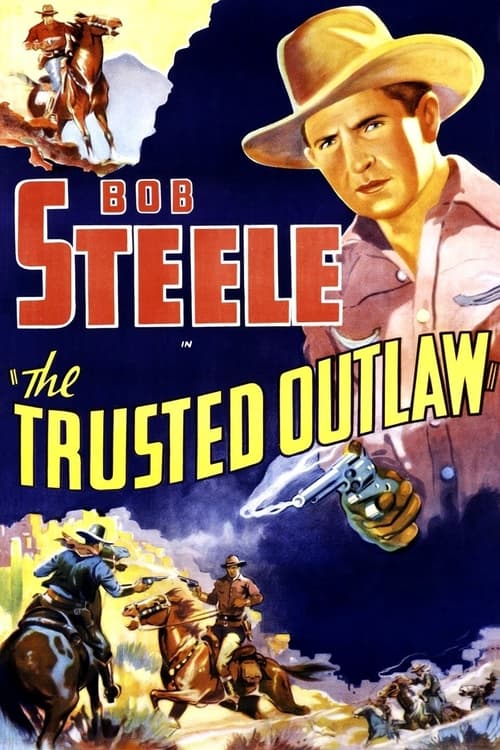
1937
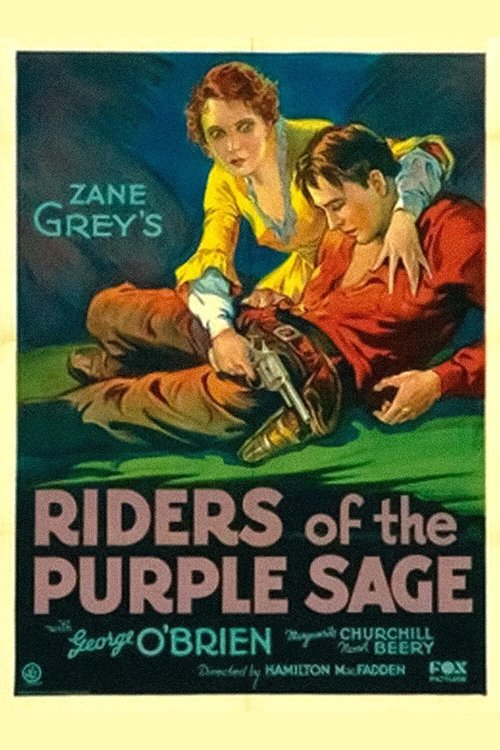
1931
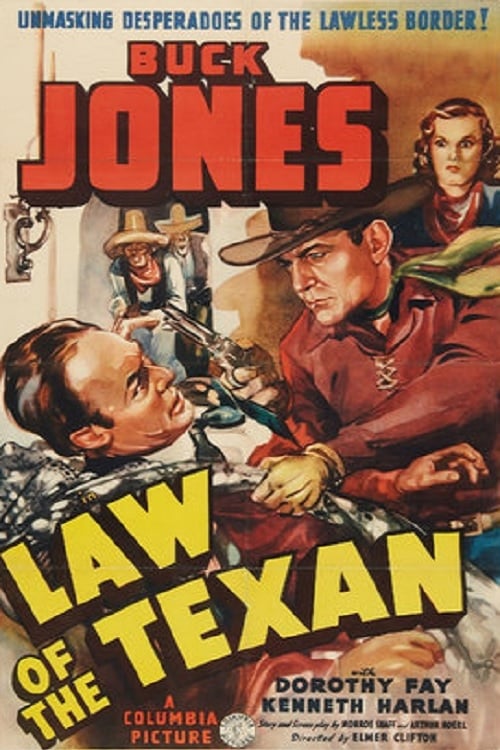
1938

1935
No reviews yet. Be the first to share your thoughts on this movie!
Use the rating form above to leave a star rating and optional review.