The Last Frontier
1955
No user ratings available yet
Diversity score: 1.7 out of 10
1951
NRDirector
Lewis R. Foster
Runtime
89 minutes
Average Rating
No ratings yetSynopsis
The cavalry defend a small town from indians.
Overall Score
Minimal
Category Breakdown
LGBTQ+ Representation
The film reflects an era where queer identities were absent from mainstream cinema. The narrative likely reinforces traditional romantic and domestic structures without any critique of heteronormativity.
Gender Representation
Focus remains on the cavalry, a traditionally masculine institution. Female characters likely occupy passive or supportive roles while leadership and physical agency are reserved for men.
Racial & Ethnic Diversity
The story centers on conflict between the cavalry and Indigenous populations. These depictions often frame Indigenous groups as external threats rather than providing nuanced, high-agency characterizations.
Religious & Cultural Diversity
The film celebrates mid-century Western values like patriotism and institutional expansion. It reinforces the morality of the 'civilizing' force rather than exploring relativistic or secular themes.
Disability Representation
There is no evidence of visible or invisible disabilities within the narrative. Such elements were rarely integrated into the heroic archetypes of this filmmaking era.
Strengths
Areas for Improvement
AI Analysis
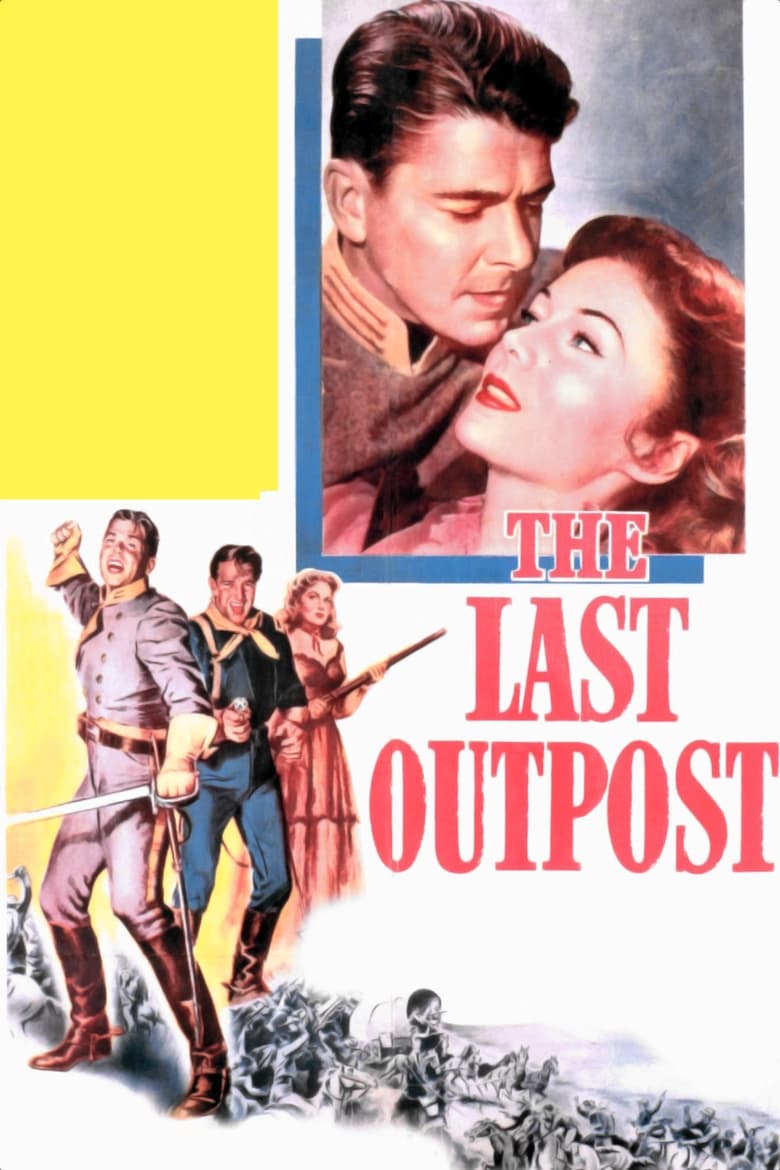
The Last Outpost is a conventional 1951 Western that adheres strictly to the traditionalist hierarchies of its time. It functions as a genre piece centered on frontier heroism and the preservation of social order through military force. The film lacks intentionality regarding intersectional representation or the subversion of social expectations. Instead, it relies on established tropes of the mid-century studio system, focusing on institutional stability and masculine-dominated narratives. Ultimately, the production serves as a representative artifact of early 1950s Hollywood, prioritizing the 'civilizing' mission of the cavalry over complex character diversity.
1955
1953
1940
1956
1968
1952
1956
1954
1951
1965
1944
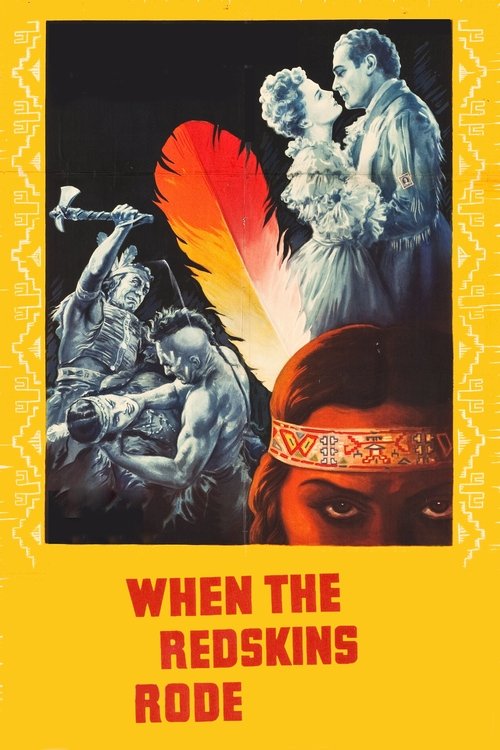
1951
No reviews yet. Be the first to share your thoughts on this movie!
Use the rating form above to leave a star rating and optional review.