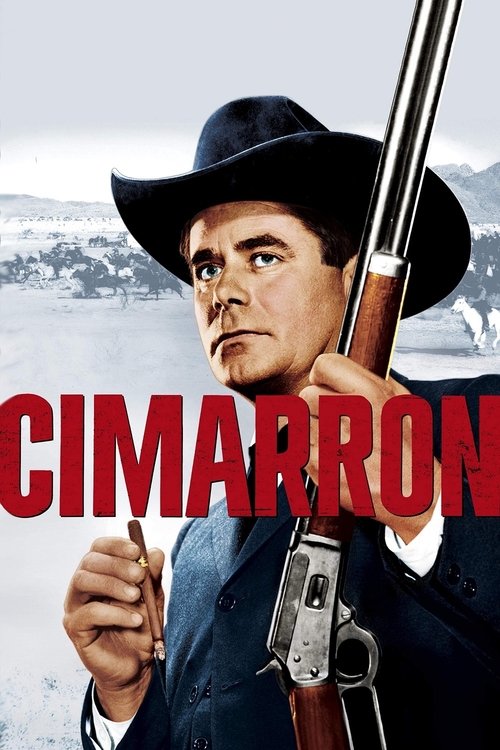
Cimarron
1960
No user ratings available yet
Diversity score: 2.5 out of 10
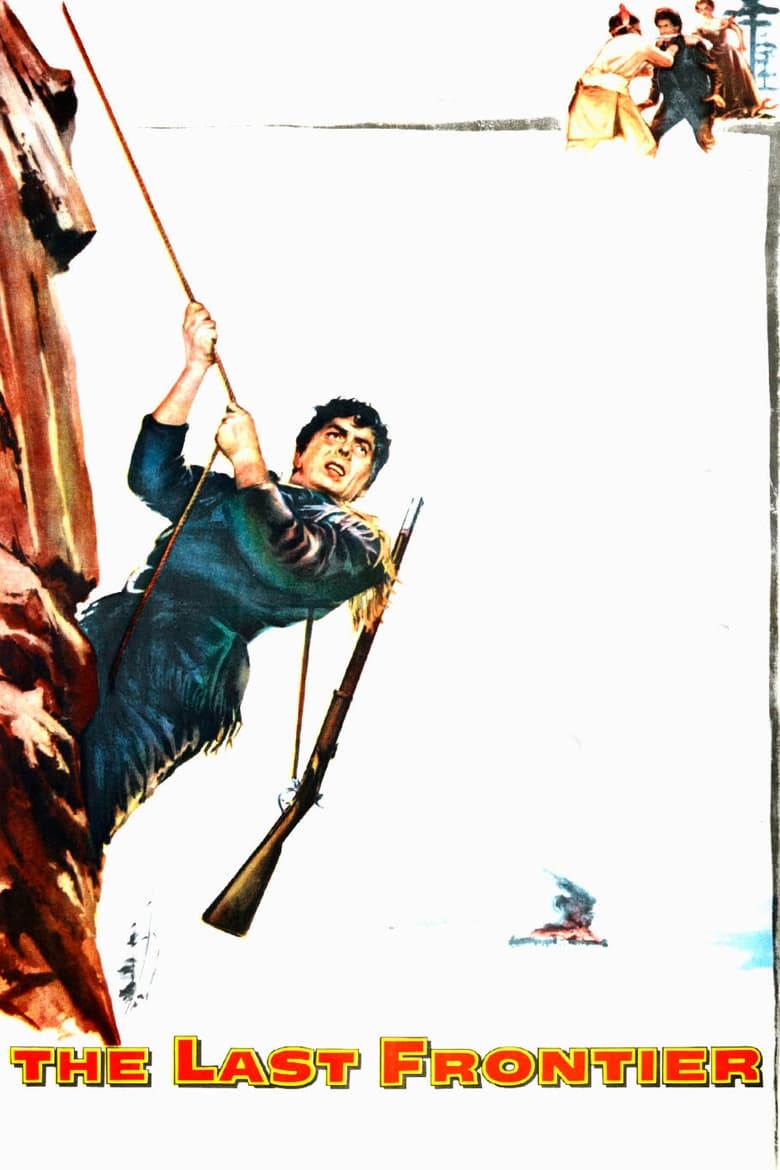
1955
NRDirector
Anthony Mann
Runtime
98 minutes
Average Rating
No ratings yetSynopsis
Three trappers become scouts for a cavalry captain who loses his fort to a hated colonel.
Overall Score
Minimal
Category Breakdown
LGBTQ+ Representation
The film adheres strictly to 1950s heteronormative social structures. There is no evidence of non-cisnormative identities or same-sex intimacy within the narrative.
Gender Representation
The story is heavily male-centric, focusing on masculine leadership and physical prowess. Women occupy peripheral or domestic roles, serving primarily as catalysts for male action.
Racial & Ethnic Diversity
Casting and character agency remain centered on white protagonists. The film operates within standard racial hierarchies typical of mid-19th-century frontier settings.
Religious & Cultural Diversity
The narrative celebrates rugged individualism and the establishment of institutional order. It promotes traditional Western values like patriotism and frontier justice without critique.
Disability Representation
There is no evidence of characters with disabilities portrayed with agency. Physical limitations are treated as obstacles for masculine strength rather than nuanced identities.
Strengths
Areas for Improvement
AI Analysis
The Last Frontier is a quintessential mid-century Western that reinforces traditional social hierarchies. Its narrative architecture prioritizes masculine leadership and the expansionist ideals of the American West. The film lacks intersectional complexity, functioning instead as a standard representation of its era. It focuses on the rugged, individualistic spirit of the frontier through a patriarchal lens. While it captures the psychological depth typical of Anthony Mann's work, it does not disrupt or subvert the systemic norms of the 1950s cinematic tradition.
1960
1950
1939
1935
1948
1961

1956
1953
1934
1939
1965

1956
No reviews yet. Be the first to share your thoughts on this movie!
Use the rating form above to leave a star rating and optional review.