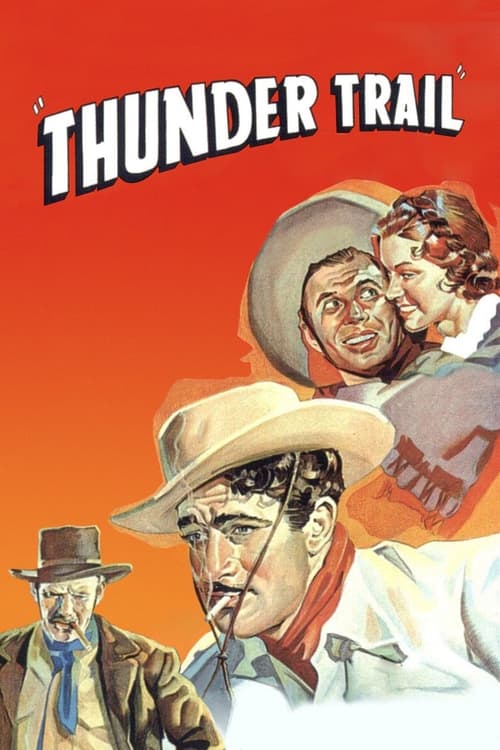
Thunder Trail
1937
No user ratings available yet
Representation score: 1.8 out of 10
Representation Score
Minimal
1952
NRDirector
George B. Seitz Jr.
Runtime
74 minutes
Average Rating
No ratings yetNew Showbiz Analysis
The film is a classic mid-century Western that reinforces traditional social hierarchies and moral absolutes. It relies heavily on established genre clichés and masculine-coded archetypes common to the 1950s. While Tonto offers some racial presence, his character remains tied to colonial-era stereotypes. The narrative structure supports a central hero without disrupting prevailing cultural norms. Ultimately, the film lacks meaningful representation for women, LGBTQ+ individuals, or people with disabilities, focusing instead on a narrow, traditionalist view of frontier life.
Category Breakdown
The film adheres strictly to the social norms of the early 1950s and does not include any representation of LGBTQ+ identities or queer subtext.
The story focuses primarily on male characters, particularly the Texas Rangers. Women are largely absent and serve mainly as background figures.
Tonto provides ethnic presence but is confined by the 'noble savage' stereotype. His role supports the hero's journey without challenging colonial structures.
The story upholds traditional Western moral binaries and frontier justice. It reinforces mid-century ideals without questioning systemic corruption.
There are no visible or invisible disabilities depicted in the film. Characters are defined solely by their physical abilities and combat readiness.
Present on Screen
Limited or Absent
Official Synopsis
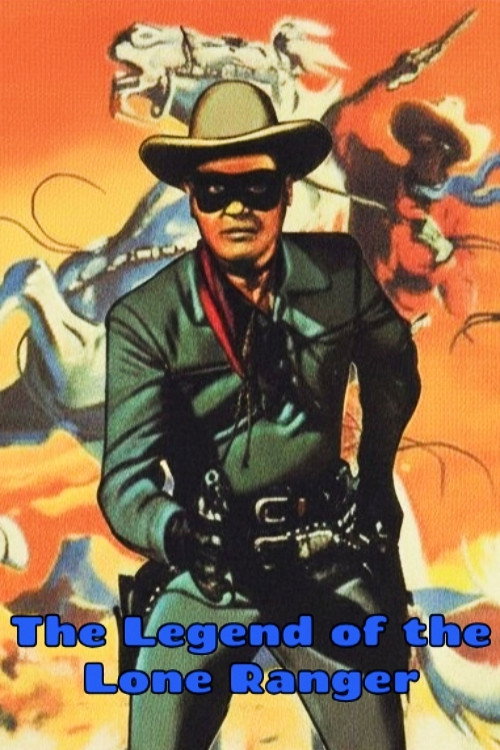
A group of Texas Rangers chasing the Butch Cavendish gang is massacred in an ambush. One of the Rangers survives and becomes a vigilante, a masked Lone Ranger who, aided by his native friend Tonto, promises to bring all outlaws to justice.
1937
1967
1941
1956
1953
1958
1939
1957
No reviews yet. Be the first to share your thoughts on this movie!
Use the rating form above to leave a star rating and optional review.