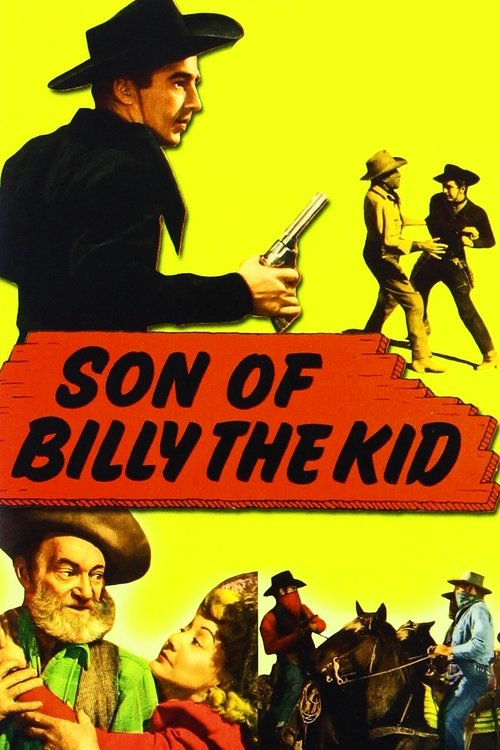
Son of Billy the Kid
1949
No user ratings available yet
Diversity score: 1.6 out of 10
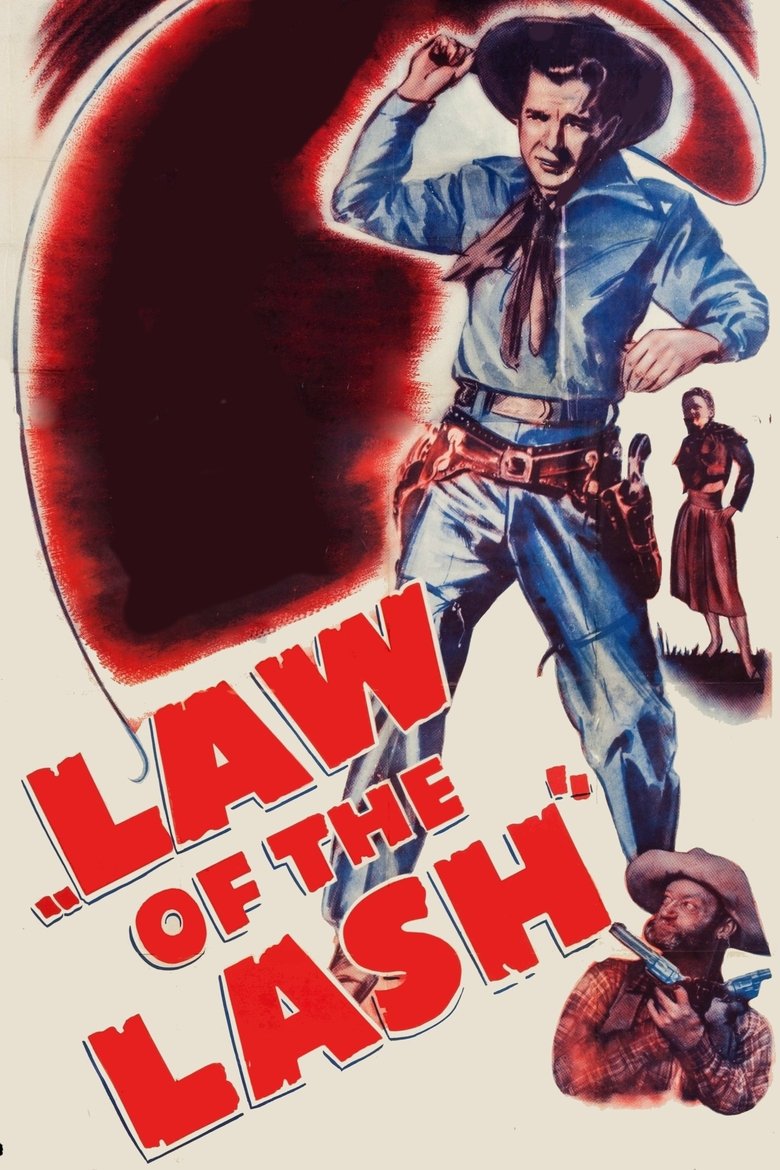
1947
GDirector
Ray Taylor
Runtime
53 minutes
Average Rating
No ratings yetSynopsis
When Decker's gang holds up a stage, henchman Lefty takes a lady's rings. Later lefty accidentally exposes the rings buying ammunition and Cheyenne sees them. When Lefty tries to shoot Cheyenne he is captured. Now Cheyenne wants the rest of the gang and their leader.
Overall Score
Minimal
Category Breakdown
LGBTQ+ Representation
The film contains no discernible LGBTQ+ characters or non-heteronormative identities. It operates within a strictly traditional framework without queer subtext.
Gender Representation
The narrative reinforces 1940s hierarchies by positioning the male protagonist as the primary agent of justice. Female characters remain passive, often serving as victims requiring protection.
Racial & Ethnic Diversity
The cast is predominantly white and Anglo-Saxon, reflecting the era's production standards. The film lacks meaningful racial diversity or non-white demographic scope.
Religious & Cultural Diversity
The story emphasizes a conventional moral binary between law and criminality. It reinforces traditional Western values and the necessity of authority to maintain order.
Disability Representation
There are no visible or invisible disabilities portrayed. Characters are presented through standard Western archetypes without addressing neurodivergence or physical impairment.
Strengths
Areas for Improvement
AI Analysis
Law of the Lash is a product of its time, adhering strictly to the formulaic B-movie Western conventions of 1947. The film prioritizes efficient storytelling and genre tropes over social complexity or demographic variety. The narrative structure is built upon traditional hierarchies. It centers on a male U.S. Marshal as the sole driver of action, while women and minority groups are largely absent or relegated to passive roles. Ultimately, the film functions as a reinforcement of mid-century social norms. It presents a homogeneous view of the American frontier that lacks any attempt to disrupt established social or gendered roles.
1949
1940
1949
1948
1944
1949
1948

1947
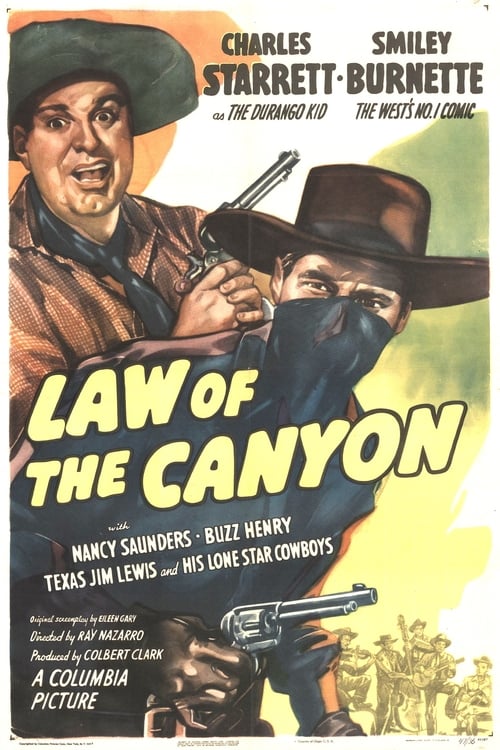
1947
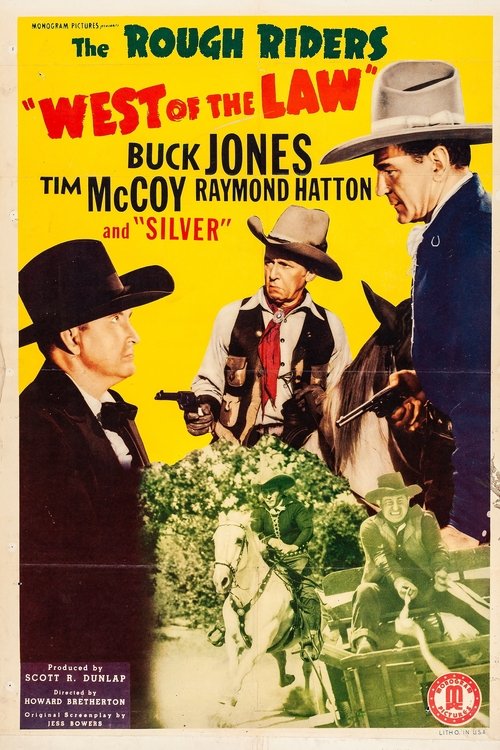
1942
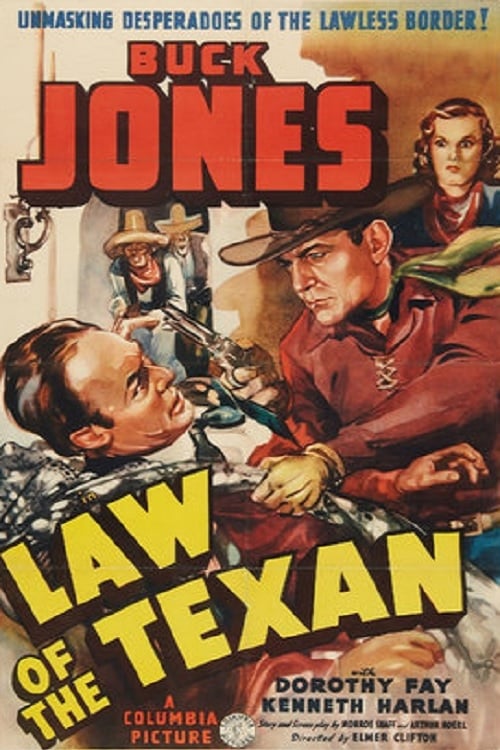
1938
1934
No reviews yet. Be the first to share your thoughts on this movie!
Use the rating form above to leave a star rating and optional review.