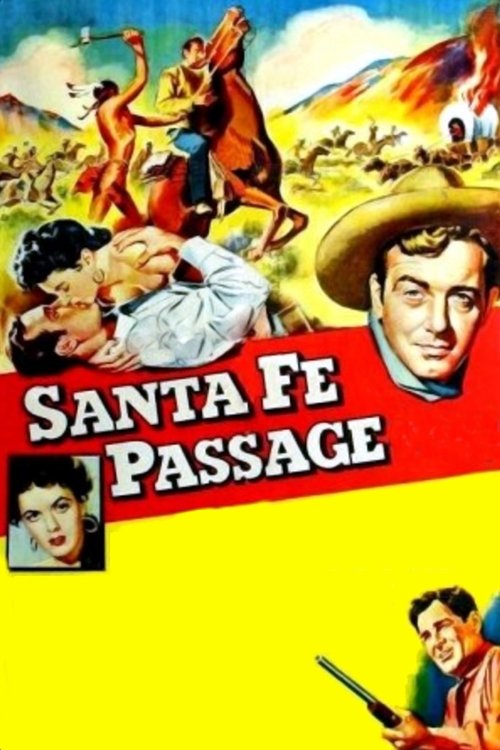
Santa Fe Passage
1955
No user ratings available yet
Representation score: 0.6 out of 10

Representation Score
Minimal
1955
ApprovedDirector
André de Toth
Runtime
88 minutes
Average Rating
No ratings yetNew Showbiz Analysis
The Indian Fighter is a classic mid-century Western that upholds the social hierarchies of its time. It relies heavily on the lone gunslinger archetype and traditional masculine leadership, offering little room for complex representations. The film's perspective is influenced by colonialist clichés, particularly in its depiction of indigenous populations as obstacles to settler narratives. Although there is a connection between the protagonist and a Sioux chief’s daughter, it lacks a nuanced exploration of cultural dynamics. Ultimately, the film celebrates individualist heroism, prioritizing personal codes of honor over any critique of social systems, making it a reflection of its historical context.
Category Breakdown
The film does not include any LGBTQ+ characters or explore non-straight relationships. It sticks closely to traditional social structures and romantic dynamics.
Female characters mainly act as catalysts for the protagonist's actions. Though central to the story, their role is often defined by needing protection.
Native American characters are mostly portrayed as obstacles or conflicts. The narrative presents a binary opposition between white protagonists and the indigenous 'other'.
The story highlights frontier individualism and Western expansionist ideals. It focuses on personal honor and rugged autonomy without critiquing Western institutions.
There are no prominent depictions of visible or invisible disabilities that play a central role in the narrative.
Present on Screen
Limited or Absent
Official Synopsis
A scout leading a wagon train through hostile Indian country gets involved with a Sioux chief's daughter.
1955
1960
1957
1966

1957
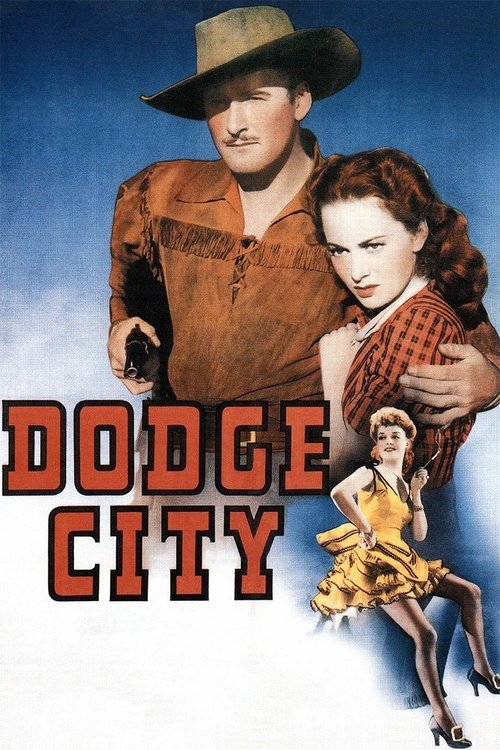
1939
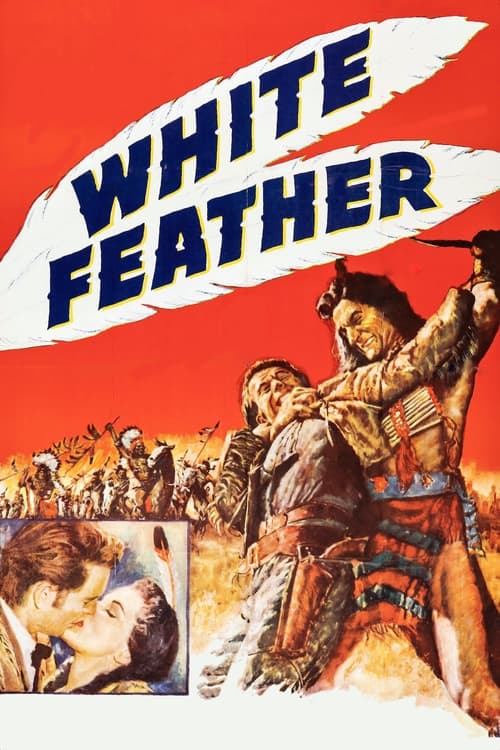
1955
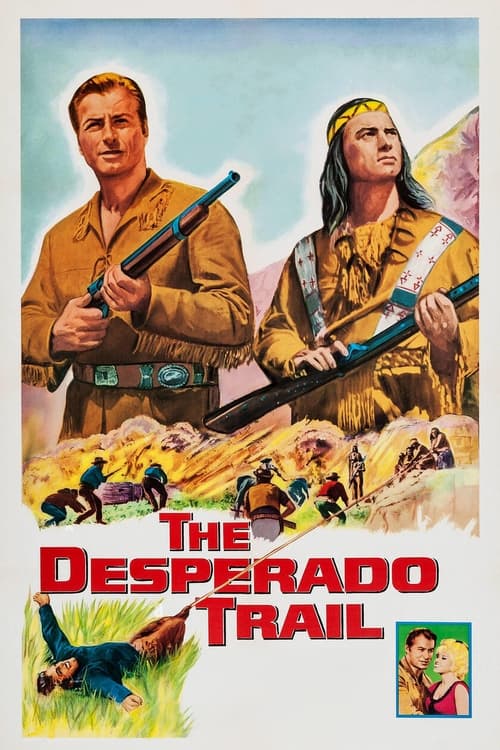
1965
No reviews yet. Be the first to share your thoughts on this movie!
Use the rating form above to leave a star rating and optional review.