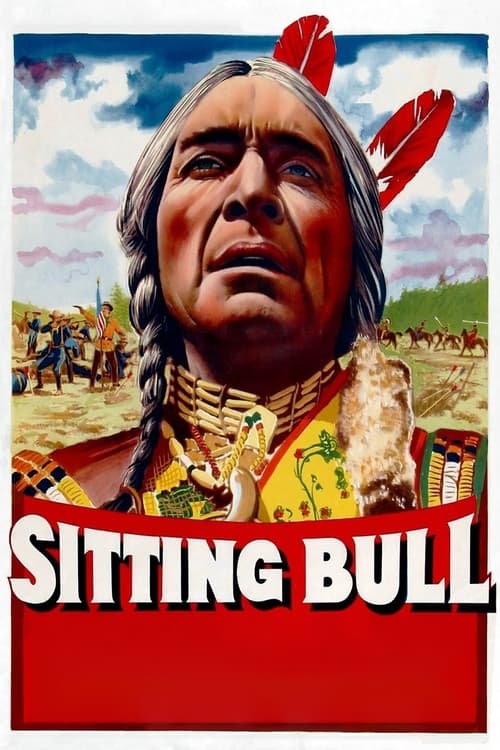
Sitting Bull
1954
No user ratings available yet
Representation score: 2.5 out of 10
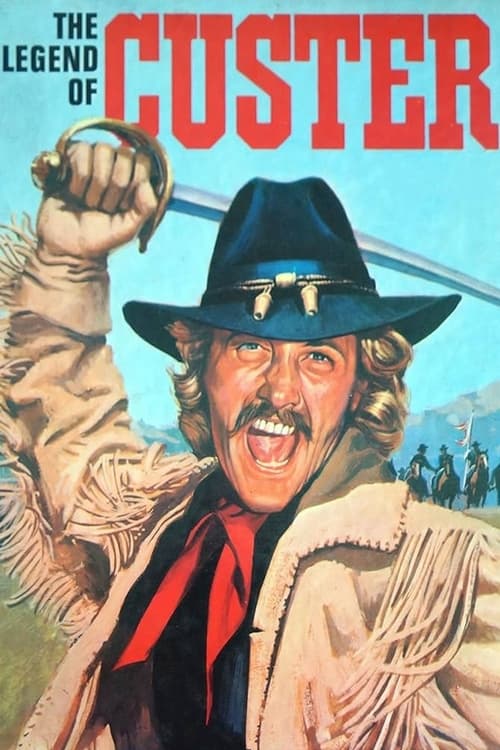
Representation Score
Minimal
1968
ApprovedDirector
Norman Foster, Sam Wanamaker
Runtime
94 minutes
Average Rating
No ratings yetNew Showbiz Analysis
The Legend of Custer is a traditional Western that emphasizes a standard military-heroism storyline. It operates within the social and narrative conventions of the late 1960s, focusing on George Armstrong Custer's efforts to lead a mixed regiment. The film does not intentionally challenge social structures. It relies on genre clichés, highlighting masculine leadership and colonial-era conflicts without exploring diverse identities or perspectives that reflect multiple aspects of identity. Overall, the production reflects the traditional filmmaking style of the era. It reinforces existing power dynamics and institutional authority without questioning them through diverse characterizations or cultural critiques.
Category Breakdown
The film follows standard heterosexual norms typical of the 1968 Western genre. There are no characters with non-traditional gender identities or stories that challenge traditional gender roles.
The story emphasizes male military leaders and their command. It reinforces traditional masculine hierarchies without giving female characters much influence over the plot.
The movie focuses on conflicts between the Kiowa, Sioux, and Blackfoot tribes. However, it follows a traditional colonial perspective of frontier confrontations.
The plot centers on military duty and defending frontier outposts. It upholds Western institutional ideals without critiquing them or religion.
There are no characters with visible or invisible disabilities. The story does not address disability within its military-focused context.
Present on Screen
Limited or Absent
Official Synopsis
Lt. Col. George Armstrong Custer has been reinstated and assigned to command the 7th Cavalry Regiment at Fort Hays. The regiment has become a ragtag outfit of thieves and ruffians and Custer must whip the soldiers into shape to fight, the Kiowa, Sioux and Blackfoot tribes who confront them. These tribes are being supplied shotguns by a white gunrunner and Custer and his men must rescue General Terry and the Fifth Cavalry Regiment from annihilation when they are ambushed and trapped by a large Kiowa war party.
1954
1966
1967
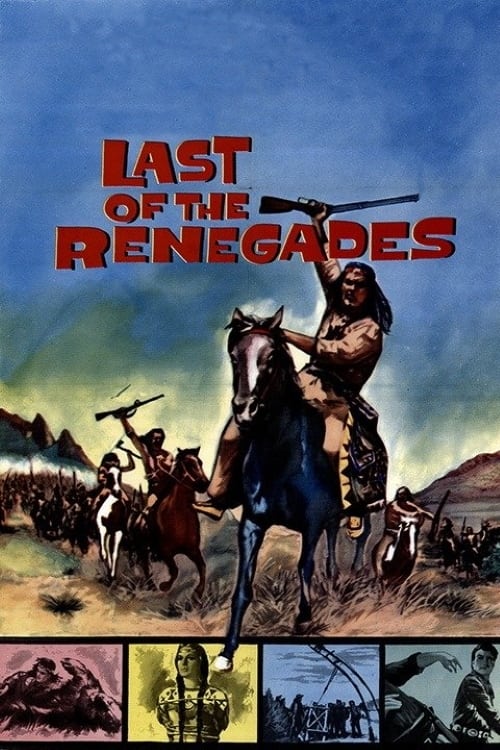
1964
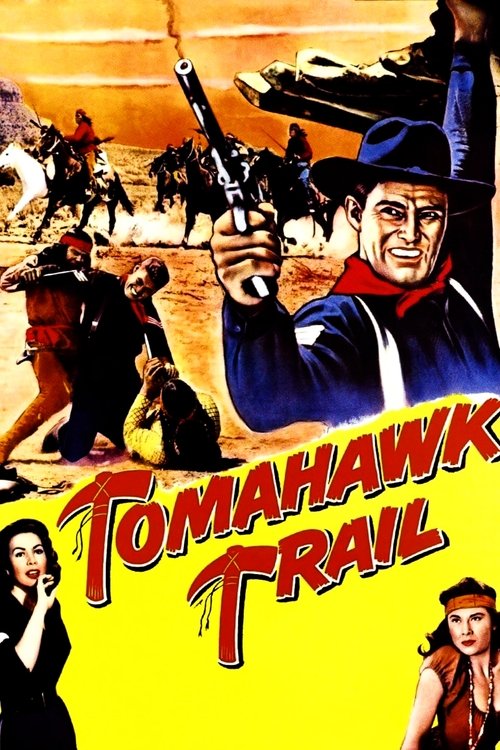
1957
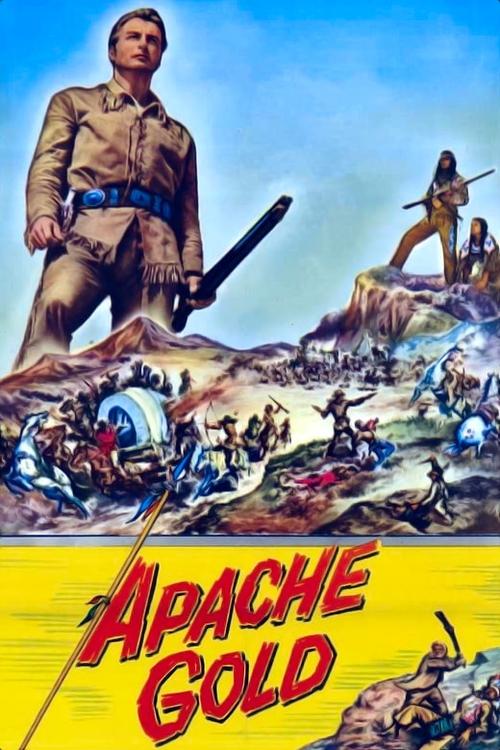
1963
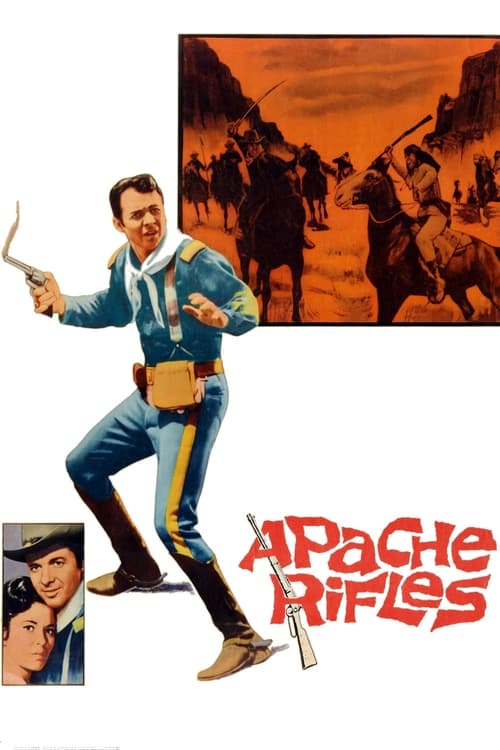
1964
1965
No reviews yet. Be the first to share your thoughts on this movie!
Use the rating form above to leave a star rating and optional review.