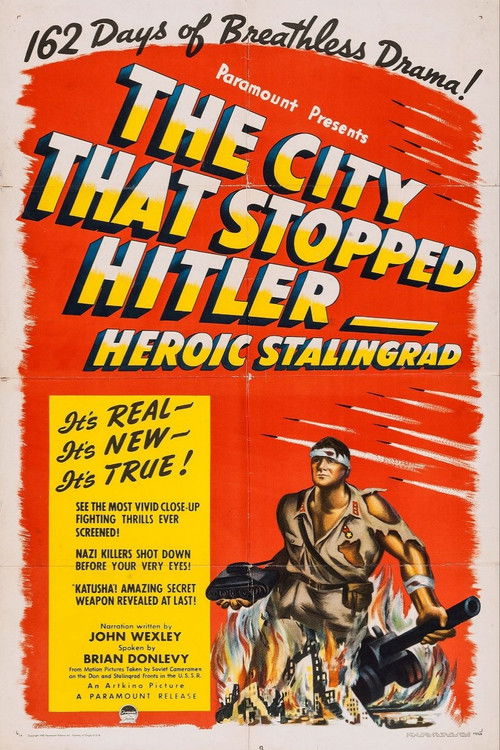
Stalingrad
1943
No user ratings available yet
Representation score: 4.4 out of 10
Representation Score
Fair
1943
SDirector
Valeri Solovtsov, Nikolay Komarevtsev, Roman Karmen, Yefim Uchitel
Runtime
73 minutes
Average Rating
No ratings yetNew Showbiz Analysis
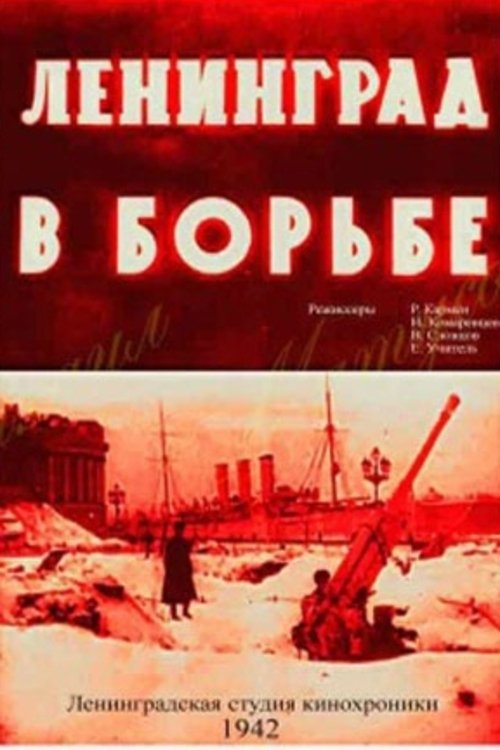
Leningrad in Struggle is a powerful historical document designed to foster a unified national identity. It serves as a tool for ideological mobilization during the Great Patriotic War. The film effectively challenges Western-centric and capitalist norms by emphasizing the collective good over individual interests. However, it lacks modern standards of individual identity representation, focusing instead on a singular nationalistic perspective and traditional social structures.
Category Breakdown
The film does not include any LGBTQ+ characters or stories that challenge traditional heterosexual relationships. Instead, it emphasizes traditional social structures to promote unity during wartime.
Women are likely shown in roles related to labor and defense, which are crucial for collective survival. These roles tend to follow traditional stereotypes of women as caregivers and workers.
The film focuses on a largely homogeneous Slavic population to build a sense of local resilience. This approach may sideline broader ethnic diversity in favor of a strong national identity.
The movie strongly criticizes Western-aligned fascist and capitalist systems. It highlights the importance of the state as a protector against imperialist forces and emphasizes collective survival.
Physical impairments are likely portrayed through the lens of wartime sacrifice or hardship. There is no indication of meaningful representation for people with disabilities.
Present on Screen
Limited or Absent
Official Synopsis
Frustration of the German attempt to capture Leningrad, 1941, the besieging of the city.
1943
2023
1945
1944
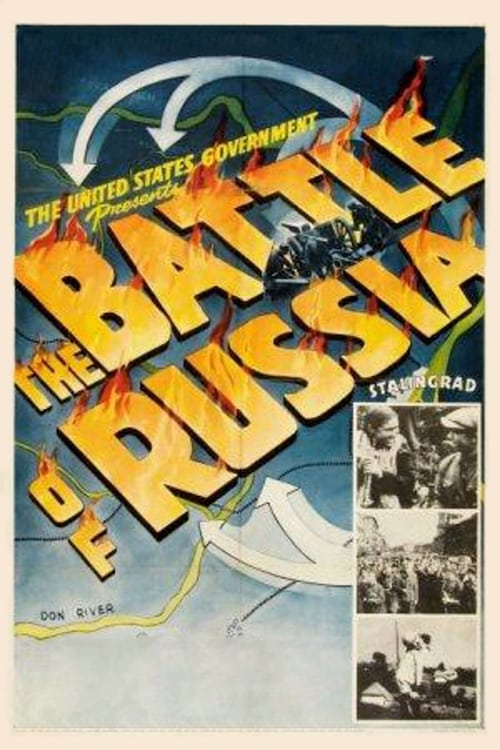
1943
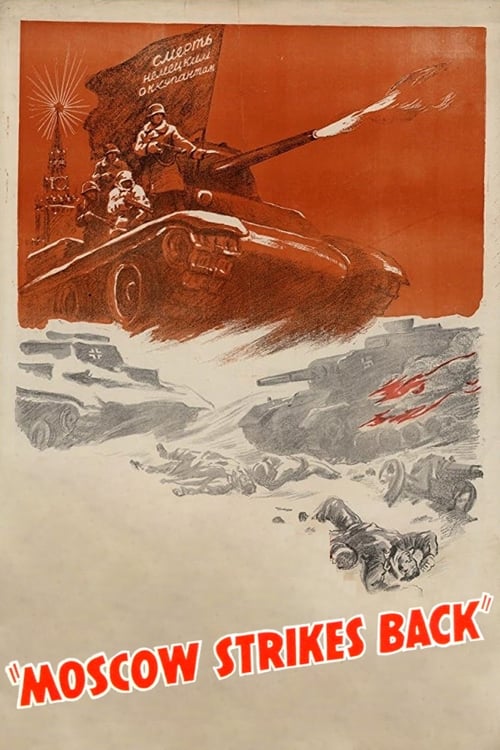
1942
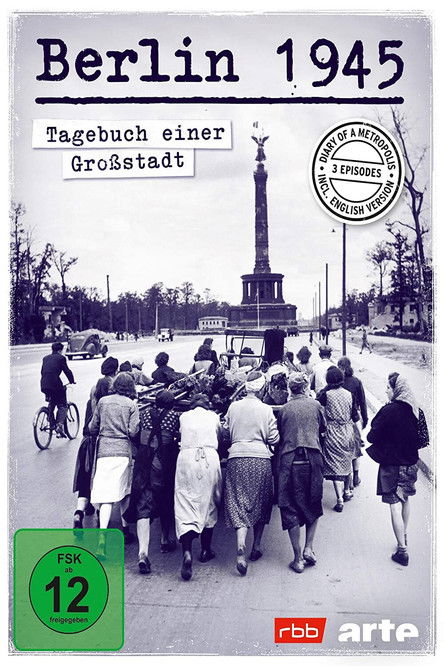
2020
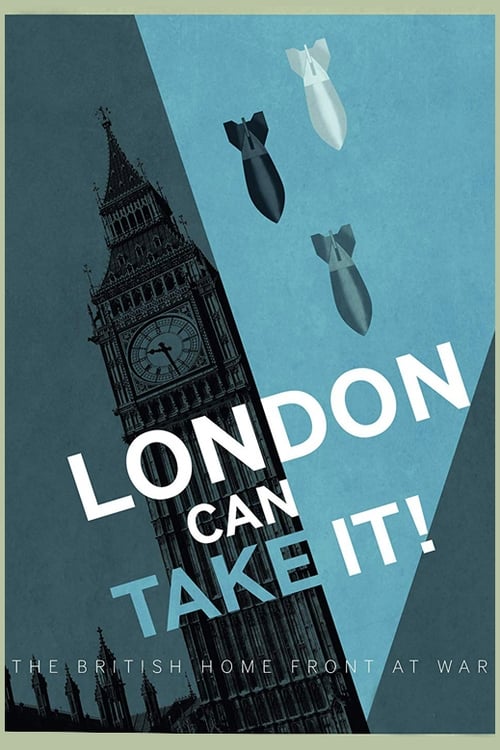
1940
No reviews yet. Be the first to share your thoughts on this movie!
Use the rating form above to leave a star rating and optional review.