
Why We Fight: Divide and Conquer
1943
No user ratings available yet
Representation score: 2.7 out of 10

Representation Score
Excellent
1945
Director
Mario Serandrei, Marcello Pagliero, Luchino Visconti, Giuseppe De Santis
Runtime
71 minutes
Average Rating
No ratings yetNew Showbiz Analysis
Days of Glory is a landmark of Italian Neorealism that replaces traditional heroic myths with a focus on collective struggle. Its strength lies in its subversion of power structures, particularly through its portrayal of women and its anti-authoritarian stance. However, the film's demographic scope is limited by its specific historical context. The focus on the Italian domestic resistance results in a lack of racial and LGBTQ+ diversity, and disability is treated as a symptom of conflict rather than a lived identity. Ultimately, the film succeeds as a tool for systemic critique, moving away from 'great man' history toward a more complex, socio-politically driven narrative.
Category Breakdown
The film does not explicitly depict LGBTQ+ identities or character arcs. Its focus remains on the socio-political mobilization of the Italian resistance movement.
Women are portrayed as active participants in the partisan movement rather than domestic figures. This highlights their role in driving the story and challenges conventional gender hierarchies of the era.
The cast is largely homogeneous, reflecting the specific demographic of the Italian resistance. However, the film's themes critique the elitist hierarchies of the fascist regime.
The work excels by critiquing established authorities and prioritizing collective, socio-political morality. It frames the disruption of the existing social order as a necessary act of reclaiming power.
Characters with disabilities lack a significant role in driving the story or complex roles. While the wounded appear, they serve primarily as symbols of war's brutality rather than individualized characters.
Present on Screen
Limited or Absent
Official Synopsis
An Italian WWII documentary by a group of neorealists.
1943

1946
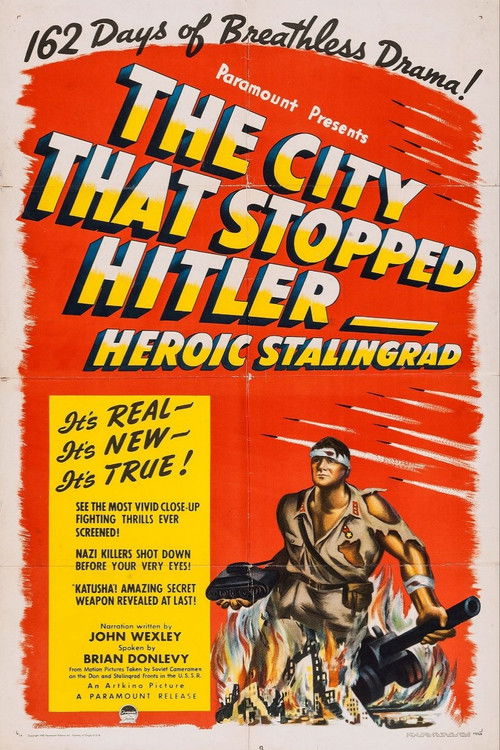
1943
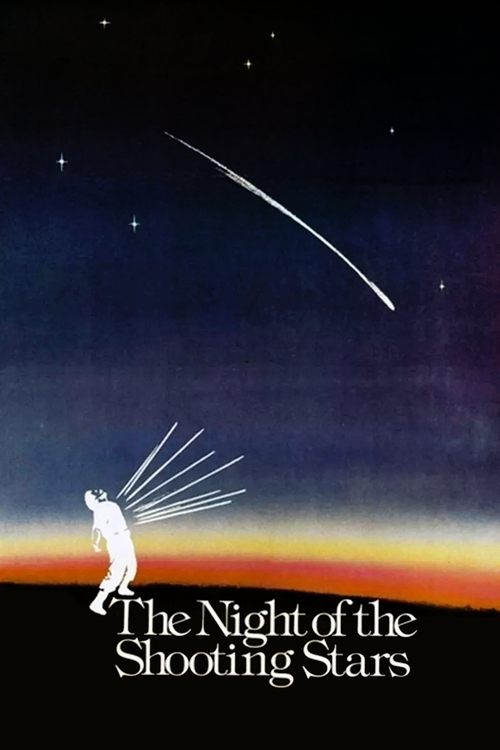
1982

1943

1945
1944

1940
No reviews yet. Be the first to share your thoughts on this movie!
Use the rating form above to leave a star rating and optional review.