2000 Meters to Andriivka
2025
No user ratings available yet
Representation score: 7.7 out of 10
Representation Score
Good
2023
TV-PGDirector
Mstyslav Chernov
Runtime
94 minutes
Average Rating
No ratings yetNew Showbiz Analysis
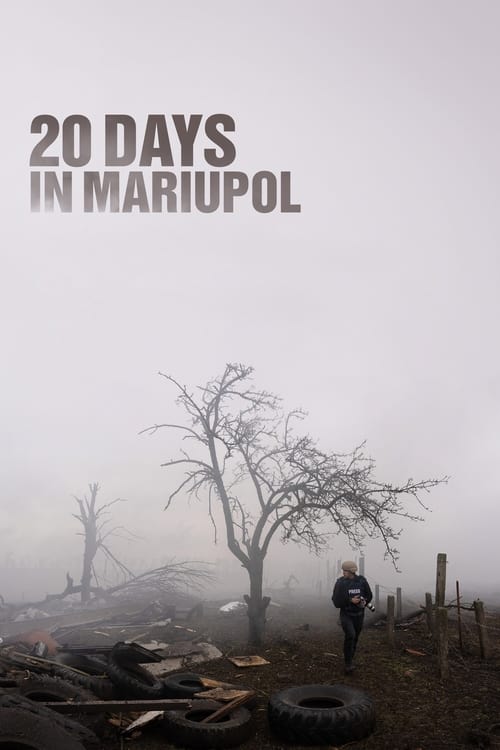
Mstyslav Chernov’s documentary disrupts traditional war narratives by centering civilian ability to act during the siege of Mariupol. It avoids sanitizing the breakdown of social hierarchies, offering a nuanced view of a population facing systemic erasure. The film's strength lies in its refusal to rely on homogeneous depictions of war. Instead, it provides a granular look at the diverse ethnic and social compositions of the city while highlighting women in non-traditional, high-stakes roles. However, the urgent humanitarian focus means identity-specific narratives, such as LGBTQ+ representation, are not a central feature. The film prioritizes universal survival and the visceral reality of human suffering over traditional identity politics.
Category Breakdown
The film focuses on the immediate realities of a siege rather than specific LGBTQ+ narratives. While it avoids harmful stereotypes, it does not actively challenge the assumption that everyone is straight or cisgender.
Women are depicted in key roles as combatants, volunteers, and essential decision-makers. The narrative challenges traditional views of femininity by showing women navigating extreme physical danger and leadership roles.
The documentary captures a diverse cross-section of socioeconomic backgrounds and ethnic identities within Mariupol. It avoids a homogeneous perspective, presenting a complex, multi-layered portrait of the civilian population.
The film portrays the destruction of religious sites and infrastructure as a systemic assault on culture. It prioritizes individual and community survival over state-sanctioned order or singular religious morality.
Physical and psychological disabilities are documented as direct consequences of bombardment and trauma. These are presented through an observational lens rather than as central pillars of character's ability to drive the story.
Present on Screen
Limited or Absent
Official Synopsis
As the Russian invasion begins, a team of Ukrainian journalists trapped in the besieged city of Mariupol struggle to continue their work documenting the war's atrocities.
2025
2019
2016
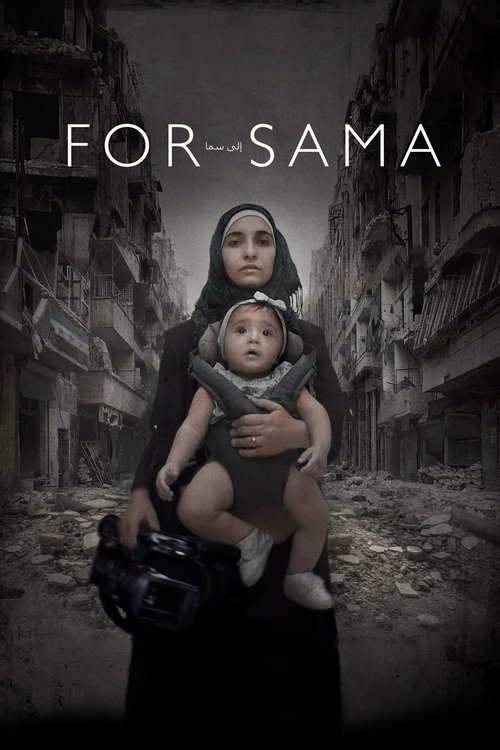
2019
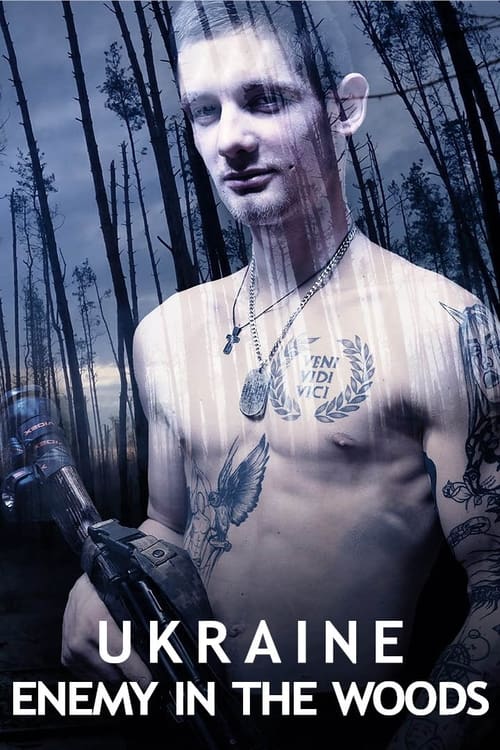
2024
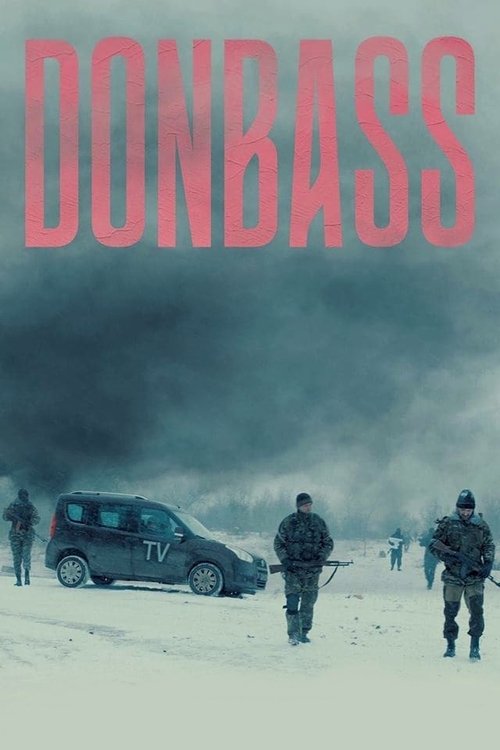
2018
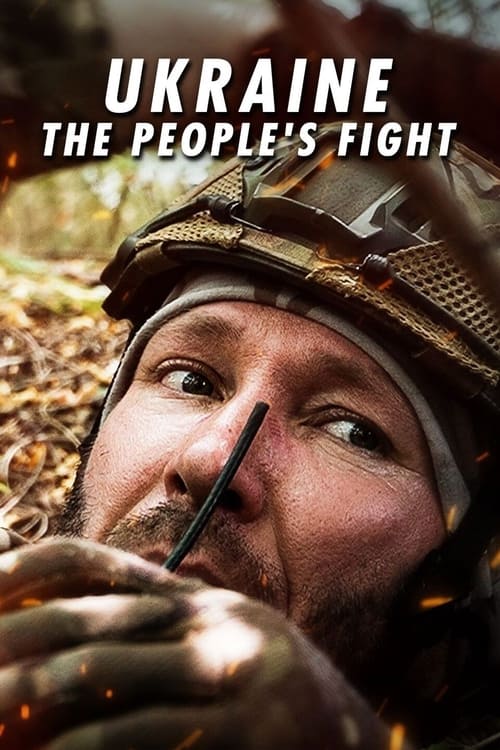
2023
2010
No reviews yet. Be the first to share your thoughts on this movie!
Use the rating form above to leave a star rating and optional review.