
Why We Fight: Divide and Conquer
1943
No user ratings available yet
Representation score: 2.7 out of 10
Representation Score
Minimal
1939
ApprovedRuntime
65 minutes
Average Rating
No ratings yetNew Showbiz Analysis
The Fight For Peace prioritizes geopolitical urgency over social representation. Its structure is dictated by the political maneuvers of leaders like Hitler, Stalin, and Mussolini, which naturally limits the scope of its subjects. Because the film documents the rise of totalitarianism in Europe, it adheres to the era's traditional hierarchies. The focus remains on state power and masculine political aggression, leaving little room for diverse identities. Ultimately, the documentary reflects the narrow, Eurocentric, and male-dominated perspectives common to 1939 documentary conventions.
Category Breakdown
The film does not explore LGBTQ+ identities. The focus on geopolitical conflicts leaves no room for discussions about sexual orientation.
The narrative centers around male figures, emphasizing the 'Great Men' theory of history. Female perspectives are notably absent.
The film focuses on European power dynamics, with subjects being overwhelmingly white. Non-European perspectives are missing.
The documentary critiques the systemic instability of Western institutions but lacks modern frameworks of secularism. It focuses on the immediate threat of totalitarianism.
There is no representation of individuals with disabilities. Subjects are portrayed through the lens of political strength, ignoring neurodivergence or physical impairments.
Present on Screen
Limited or Absent
Official Synopsis
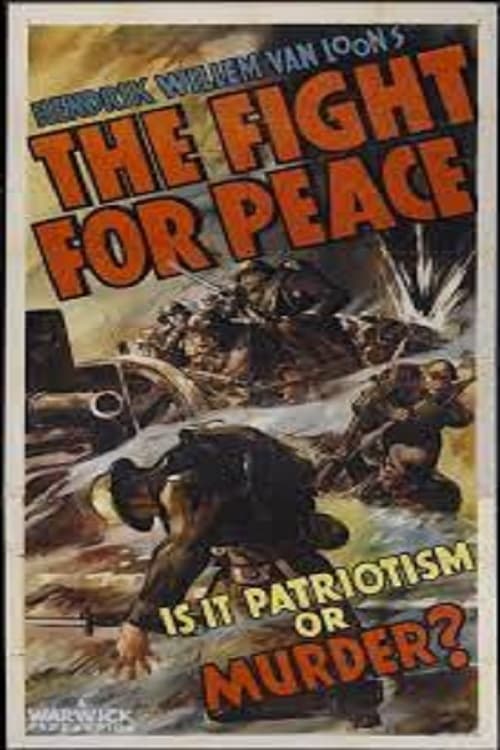
A documentary about the threat of war breaking out in Europe, focusing on Hitler, Stalin and Mussolini.
1943
1935
1943
1942
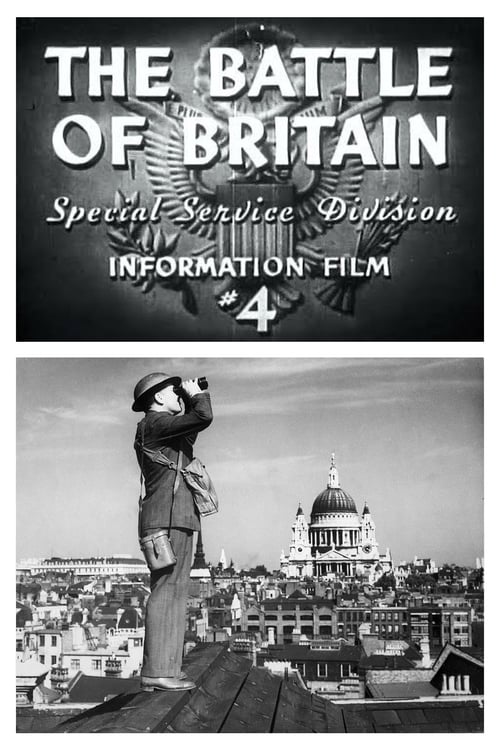
1943
1939
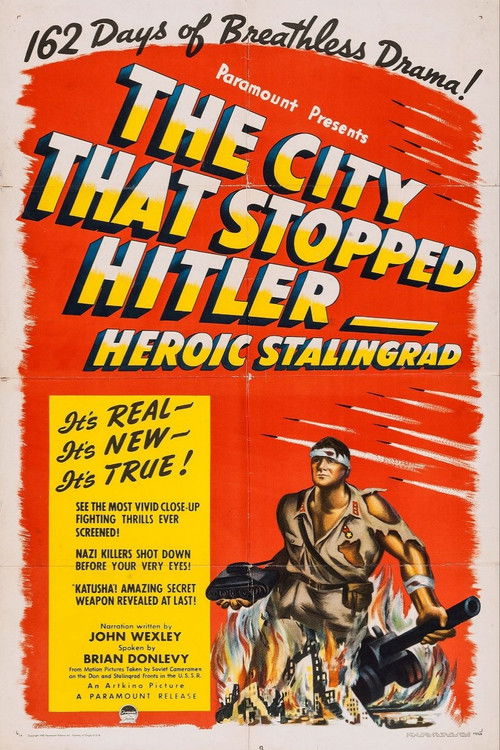
1943
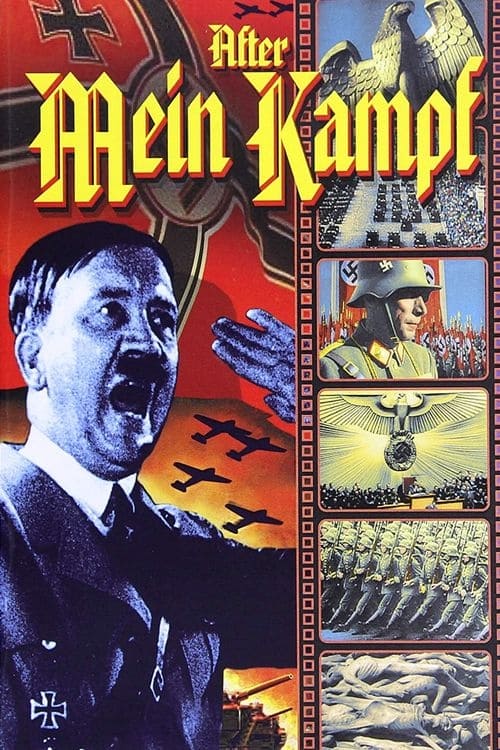
1940
No reviews yet. Be the first to share your thoughts on this movie!
Use the rating form above to leave a star rating and optional review.