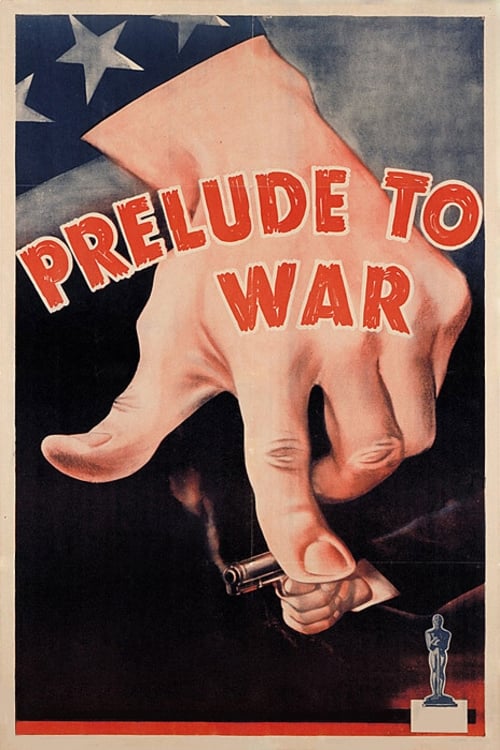
Why We Fight: Prelude to War
1942
No user ratings available yet
Representation score: 0.3 out of 10

Representation Score
Limited
1943
Not RatedDirector
Frank Capra, Anatole Litvak
Runtime
57 minutes
Average Rating
No ratings yetNew Showbiz Analysis
This documentary serves as a tool for wartime mobilization, focusing on macro-political structures and the deconstruction of totalitarian propaganda. It prioritizes the mechanics of state-driven aggression over individual identity politics. The film defends traditional social structures against totalitarianism, emphasizing military and political figures.
Category Breakdown
The documentary focuses on geopolitical conflicts and military maneuvers. There are no LGBTQ+ characters or identities present in the archival footage.
Women appear mainly in domestic or supportive roles within the footage of Axis nations. The film uses these traditional gender roles to show how totalitarian regimes gain power.
The visual content highlights the demographics of Nazi Germany and Imperial Japan. It examines how these national identities are used for aggressive purposes.
The film critiques the suppression of religious institutions and the loss of individual autonomy. It presents the conflict as a battle between democratic freedoms and totalitarian tyranny.
The archival footage does not focus on disability, neurodivergence, or chronic illnesses. The subjects are mostly military personnel and political leaders.
Present on Screen
Limited or Absent
Official Synopsis
The third film of Frank Capra's 'Why We Fight" propaganda film series, dealing with the Nazi conquest of Western Europe in 1940.
1942
1943

1945
1943
1945
1993
1945
1943
No reviews yet. Be the first to share your thoughts on this movie!
Use the rating form above to leave a star rating and optional review.