
Why We Fight: Divide and Conquer
1943
No user ratings available yet
Representation score: 2.7 out of 10
Representation Score
Fair
1943
Not RatedDirector
Anatole Litvak, Frank Capra
Runtime
83 minutes
Average Rating
No ratings yetNew Showbiz Analysis
The film serves as a sophisticated piece of cinema, designed to bridge the gap between different political systems. It achieves its purpose by showcasing women as active combatants and leaders, and by presenting a multi-ethnic view of the Soviet defense. While the documentary lacks representation in several modern categories, it effectively uses the ability to act of women and the collective identity of a diverse state to build a case for international cooperation.
Category Breakdown
The film does not depict any LGBTQ+ identities or non-straight relationships.
Women are shown as active combatants, pilots, and leaders in industry and agriculture, challenging traditional views of submissive femininity.
The documentary includes various Soviet ethnicities, providing a multi-ethnic perspective of the Eastern Front.
The film emphasizes secularism and state-driven mobilization, focusing on systemic survival and ideological differences between capitalism and communism.
There is no significant or intentional representation of physical or neurodivergent disabilities in the documentary.
Present on Screen
Limited or Absent
Official Synopsis
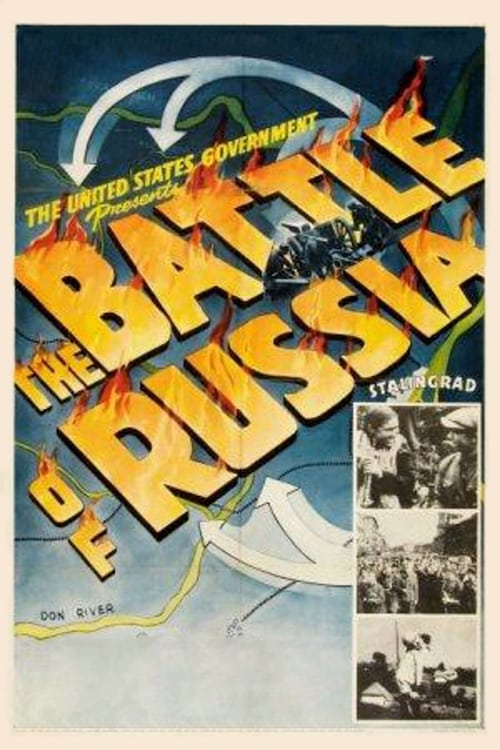
The fifth film of Frank Capra's Why We Fight propaganda film series, revealing the nature and process of the fight between the Soviet Union and Germany in the Second World War.
1943
1943

1945
1943
1942
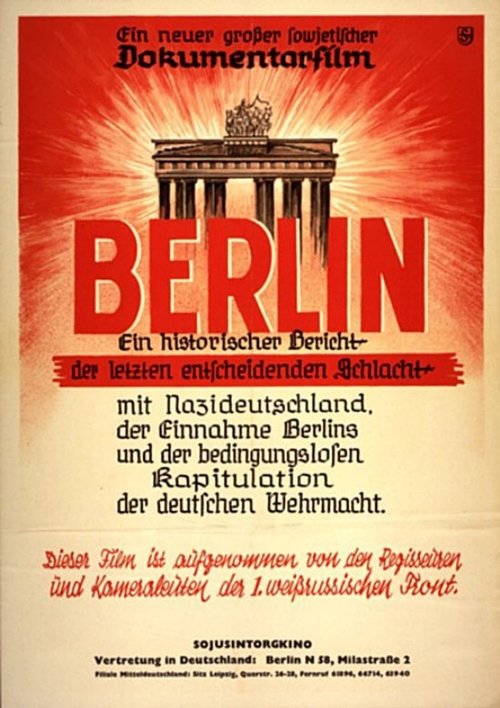
1945
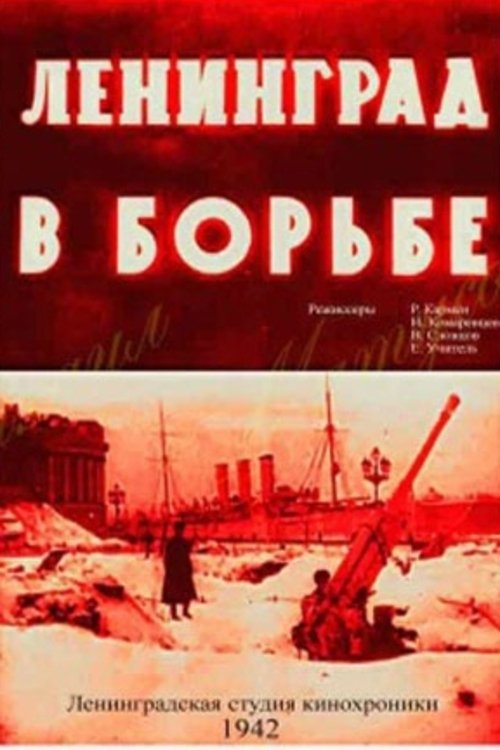
1943
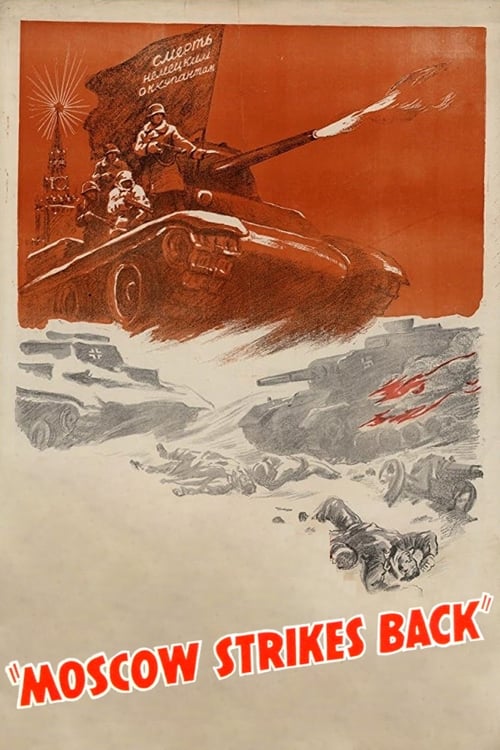
1942
No reviews yet. Be the first to share your thoughts on this movie!
Use the rating form above to leave a star rating and optional review.