
Days of Glory
1945
No user ratings available yet
Diversity score: 5.8 out of 10

1951
Director
Alain Resnais, Robert Hessens
Runtime
13 minutes
Average Rating
No ratings yetSynopsis
Alain Resnais & Robert Hessen use the famous Picasso mural "Guernica" in combination with newspaper headlines in an anti-war cry against the Spanish Civil War. Narration by Jacques Pruvost highlights the Guernica atrocity of April 1937, followed by a poem by Paul Eluard read by María Casares to a discordant score by Guy Bernard.
Overall Score
Fair
Category Breakdown
LGBTQ+ Representation
The film operates as a formalist essay rather than a character-driven narrative. It lacks explicit LGBTQ+ identities, though its avant-garde structure disrupts traditional heteronormative storytelling tropes.
Gender Representation
The narrative shifts focus from masculine military archetypes toward the visceral experiences of civilian victims. By centering Picasso’s mural, it emphasizes the vulnerability of women and children over traditional soldierly heroism.
Racial & Ethnic Diversity
The documentary focuses on a specific European geopolitical tragedy. While it lacks a diverse global cast, its use of historical artifacts highlights the universal nature of systemic oppression.
Religious & Cultural Diversity
The film offers a profound critique of Western institutional power and state-sponsored violence. It prioritizes the victim's perspective over nationalist fervor through poetry and a discordant score.
Disability Representation
The film lacks characters with specific disabilities. However, Picasso’s mural uses the semiotics of the 'broken' body to metaphorically explore physical fragmentation and psychological trauma.
Strengths
Areas for Improvement
AI Analysis
Guernica (1951) is a modernist critique of war that eschews traditional heroic narratives in favor of abstraction. It uses Picasso’s mural and Paul Éluard’s poetry to center the suffering of civilians rather than the glory of combat. The film succeeds in subverting nationalist tropes and deconstructing the 'glory' of war. It replaces standard military archetypes with a focus on the destruction of the family unit and the vulnerability of the human condition. However, the work lacks explicit character-based representation. Because it functions as an intellectualized essay film, it misses opportunities for specific intersectional studies or agency-driven depictions of diverse identities.
1945
1979
2023

1987
2010
1974
1946
2020
1945
1943

2016
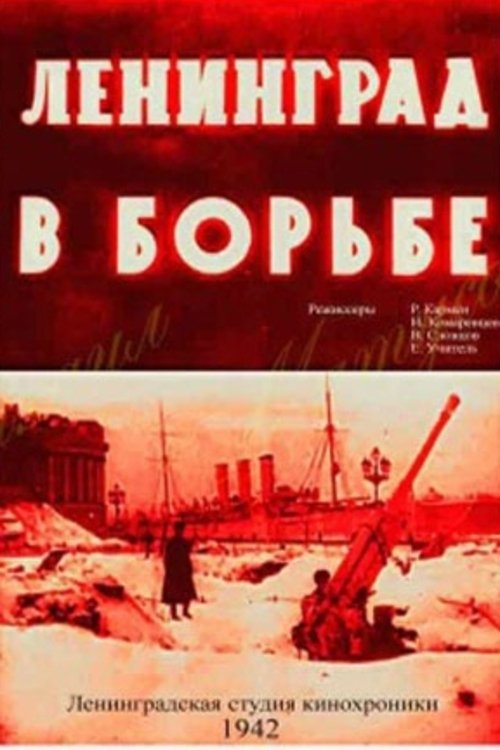
1943
No reviews yet. Be the first to share your thoughts on this movie!
Use the rating form above to leave a star rating and optional review.