Stalingrad
1943
No user ratings available yet
Representation score: 4.4 out of 10
Representation Score
Limited
1942
ApprovedDirector
Leonid Varlamov, Ilya Kopalin
Runtime
55 minutes
Average Rating
No ratings yetNew Showbiz Analysis
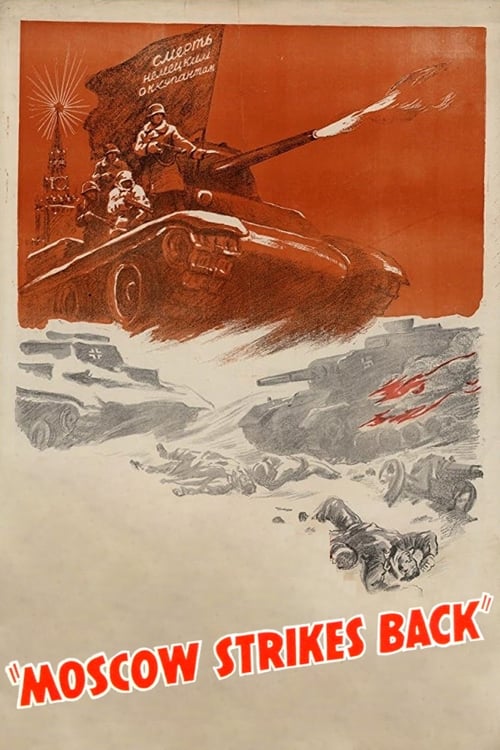
Moscow Strikes Back is a foundational piece of wartime reportage designed to foster national cohesion. Its primary objective is the reinforcement of state identity and the mobilization of a collective front during an existential threat. The film adheres to traditional hierarchies of power and military structure. It does not seek to disrupt social norms or explore multiple aspects of identity, focusing instead on the binary of combatant and civilian. While the documentary provides a visceral look at the human cost of war, its narrative architecture is built around patriotism and the defense of the state.
Category Breakdown
The documentary focuses entirely on military mobilization and frontline combat. There are no LGBTQ+ characters or narratives addressing non-traditional gender identities.
The narrative centers on the male-dominated Red Army hierarchy. However, it includes women through depictions of civilian suffering and their roles in domestic survival.
The film captures a multi-ethnic coalition of Soviet forces defending the capital. It uses themes of cultural survival to unify these diverse groups against a common aggressor.
The film functions as a tool of intense nationalism and state-aligned patriotism. It prioritizes collective duty and the sanctity of the homeland over individualist critiques.
Graphic images of combat casualties and physical trauma are present. These serve as symbols of war's horrors rather than character-driven explorations of disability or personal experiences.
Present on Screen
Limited or Absent
Official Synopsis
A Soviet documentary chronicling the Battle of Moscow (October 1941 – January 1942), when Red Army forces repelled the German advance on the capital. Shot by numerous frontline cameramen, it combines harrowing footage of combat and civilian suffering with scenes of Nazi atrocities, framed against themes of Russian heroism and cultural survival. Originally released under the title Defeat of the German Armies Near Moscow, the English-language version, narrated by Edward G. Robinson, was retitled Moscow Strikes Back. The film won the 1943 Academy Award for Best Documentary. Warning: contains graphic images.
1943
1945
1943
1943
1944
1944
2020
1945
No reviews yet. Be the first to share your thoughts on this movie!
Use the rating form above to leave a star rating and optional review.