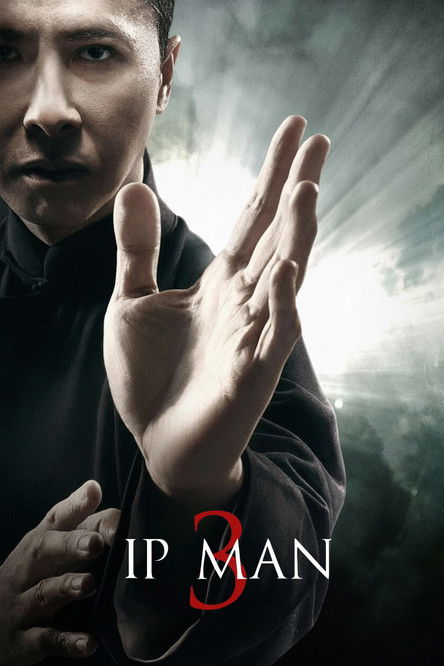
Ip Man 3
2015
No user ratings available yet
Representation score: 2.9 out of 10
Representation Score
Good
2013
PG-13Director
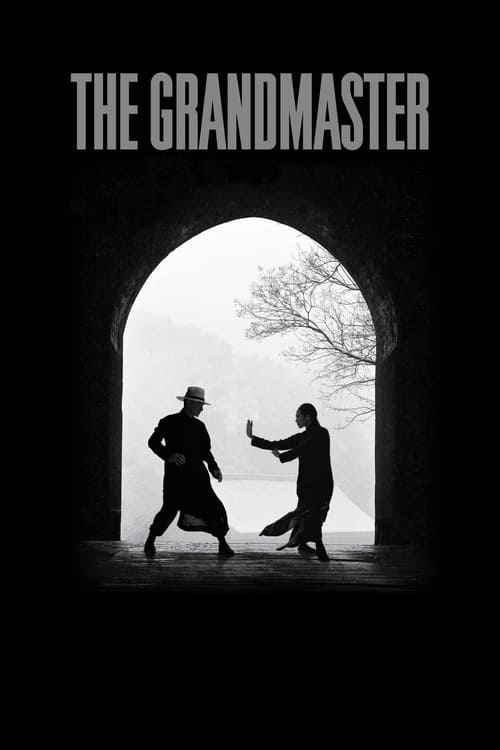
Wong Kar-Wai
Runtime
130 minutes
Average Rating
No ratings yetNew Showbiz Analysis
The Grandmaster excels by challenging genre expectations, particularly through its strong female lead and its deep engagement with post-colonial themes. Gong Er provides a powerful counterpoint to the male protagonists, offering a significant role in driving the story and technical skill that challenges traditional gender roles. The film's strength lies in its textured exploration of Chinese heritage under the pressure of foreign occupation. It treats martial arts not just as spectacle, but as a vessel for discussing cultural survival and the erosion of traditional institutions. However, the narrative remains narrow in its social scope. It lacks representation for LGBTQ+ identities and does not address disability, focusing instead on the rigid social and historical structures of the era.
Category Breakdown
The film focuses on traditional romantic longing and the rigid social structures of early 20th-century China. There is no presence of LGBTQ+ identities or queer narratives.
Gong Er disrupts conventional hierarchies as a martial arts peer to the protagonist. She possesses technical mastery and psychological depth, driving the narrative through her autonomy rather than acting as a damsel.
Set during the Japanese occupation, the film explores Chinese identity and cultural preservation. It highlights the resilience of indigenous traditions against external colonial pressures.
The story portrays the decline of traditional martial arts culture amidst historical upheaval. It offers a nuanced view of honor and dignity within a shifting social order and local ecosystem.
The film lacks prominent characters with visible or invisible disabilities. Physical toll is framed through martial discipline rather than an exploration of disability or neurodivergence.
Present on Screen
Limited or Absent
Official Synopsis
The fall of China's last dynasty, a time of chaos, division and war, is the golden age of Chinese martial arts. Legendary kung fu master Ip Man, who will eventually train Bruce Lee, finds his peaceful life interrupted by vengeance.
2015
2003
2011
2020
2007

1962
2010
1962
No reviews yet. Be the first to share your thoughts on this movie!
Use the rating form above to leave a star rating and optional review.