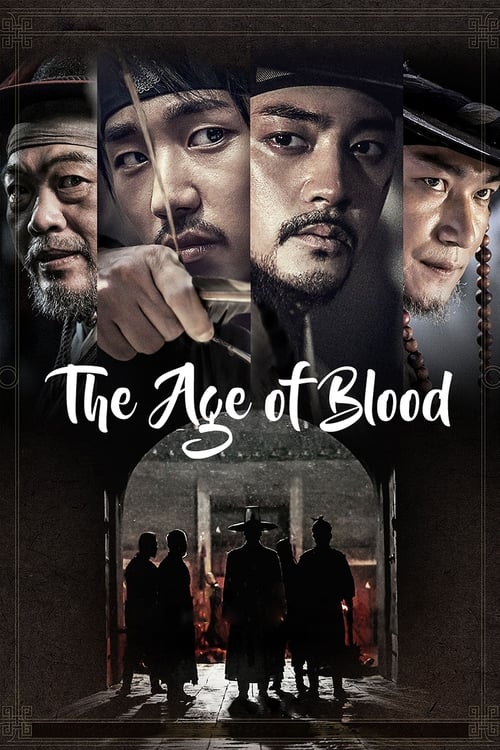
The Age of Blood
2017
No user ratings available yet
Representation score: 4.5 out of 10
Representation Score
Good
2020
TV-14Director
Choi Jae-hoon
Runtime
101 minutes
Average Rating
No ratings yetNew Showbiz Analysis
The film excels by focusing on a specific Korean historical identity and critiquing the corruption of state institutions. It moves away from Western-centric historical perspectives to offer a nuanced view of socioeconomic classes. Its strongest progressive elements include the subversion of gender stereotypes through a proactive female lead and the portrayal of disability as a transformative aspect of character's ability to drive the story. The protagonist's blindness is integrated into his survivalist arc rather than used merely as a plot device. However, the film remains limited by a lack of LGBTQ+ visibility and a reliance on traditional masculine archetypes common to the genre.
Category Breakdown
The film follows traditional historical epic frameworks and does not include any visible non-binary or LGBTQ+ identities. It focuses on heterosexual family relationships rather than exploring diverse sexual orientations or gender identities.
Seol-hwa challenges the typical damsel in distress stereotype by actively driving the plot's momentum. She plays a central role in the story's progression, showing strong ability to act and initiative.
Set during the Joseon Dynasty, the film centers around a non-Western historical context. It examines the socioeconomic differences between peasants and the ruling elite within a Korean setting.
The narrative critiques the systemic corruption within the Joseon government. It portrays traditional institutions as compromised, emphasizing individual morality over oppressive state authority.
The protagonist navigates the world and engages in combat despite his blindness. His sensory impairment is a transformative element of his character, rather than a source of ridicule.
Present on Screen
Limited or Absent
Official Synopsis
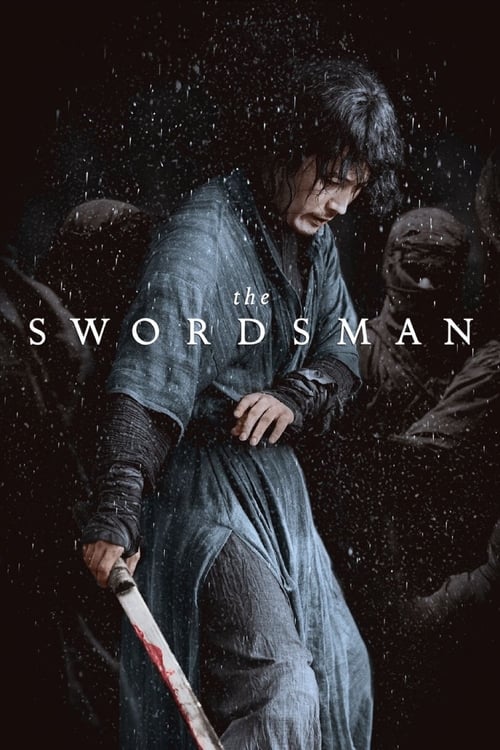
After being blinded in a coup against the king, Joseon's greatest swordsman goes into hiding, far removed from his city's anguish. But when traffickers kidnap his daughter, he has no choice but to unsheathe his sword once more.
2017
2015
2013
2003
2015

2016
2017
1962
No reviews yet. Be the first to share your thoughts on this movie!
Use the rating form above to leave a star rating and optional review.