Zatoichi's Vengeance
1966
No user ratings available yet
Representation score: 4.8 out of 10
Representation Score
Limited
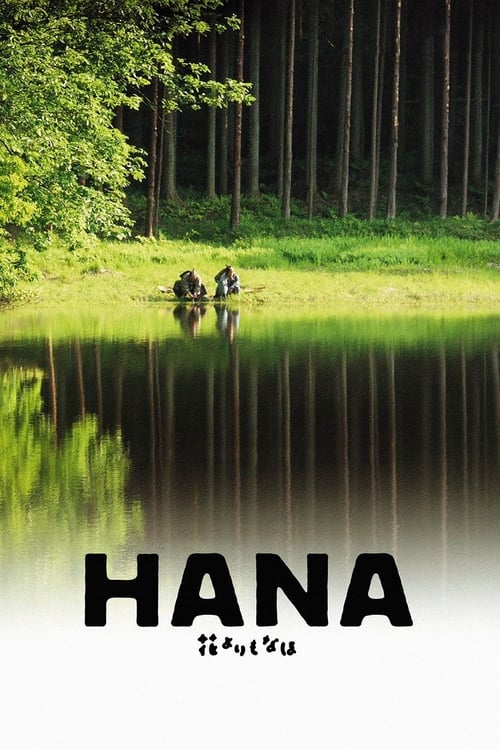
2006
Director
Hirokazu Kore-eda
Runtime
127 minutes
Average Rating
No ratings yetNew Showbiz Analysis
Hana is a contemplative exploration of temporal connections that uses magical realism to bridge contemporary childhood with the trauma of 1945. It disrupts linear storytelling to prioritize emotional resonance over traditional plot-driven conflict. The film's strength lies in its ability to challenge the authority of history by allowing a child's perspective to mediate the past. It avoids didactic political ideologies in favor of a quiet, existential inquiry into human connection. However, the work is limited by its specialized focus on a specific cultural and temporal niche. It lacks the broad demographic diversity seen in more contemporary global cinema.
Category Breakdown
The film does not include any LGBTQ+ characters or non-straight identities. The story focuses solely on the friendship between the two child protagonists.
By focusing on children, the film sidesteps traditional gender hierarchies. It emphasizes the role of young protagonists over typical patriarchal structures seen in historical dramas.
The setting and casting are culturally uniform, reflecting a specific Japanese location. This maintains cultural authenticity despite a lack of diverse representation.
The film provides a secular, humanist reflection on memory and loss. It avoids nationalist morals by using magical realism to explore historical context through personal connections.
There are no prominent depictions of physical, neurodivergent, or sensory disabilities within the main narrative.
Present on Screen
Limited or Absent
Official Synopsis
In a poor district of Edo lives a young samurai named Soza. He has been sent by his clan to avenge the death of his father. He isn't an accomplished swordsman however, and he prefers sharing the life of the residents, teaching the kids how to write etc. When he finally finds the man he is looking for, he will have to decide whether he follows the way of the samurai or chooses peace and reconciliation.
1966

1999
2009
2003
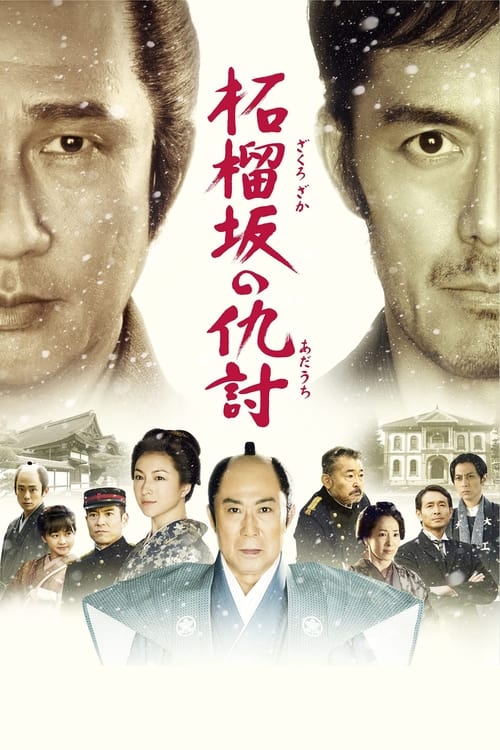
2014
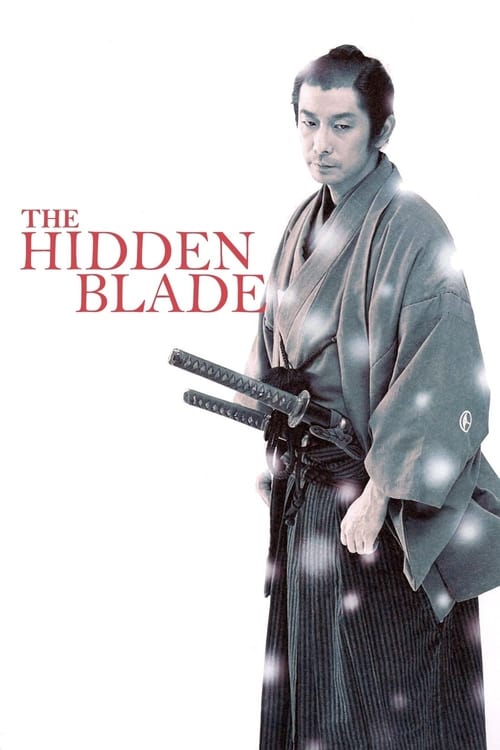
2004
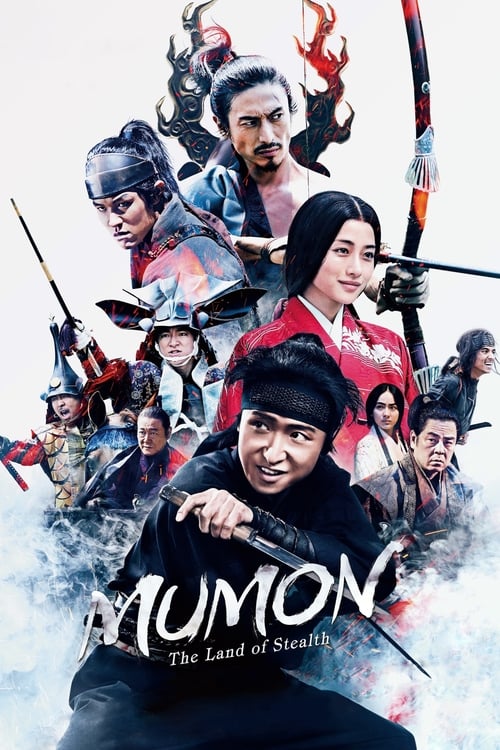
2017
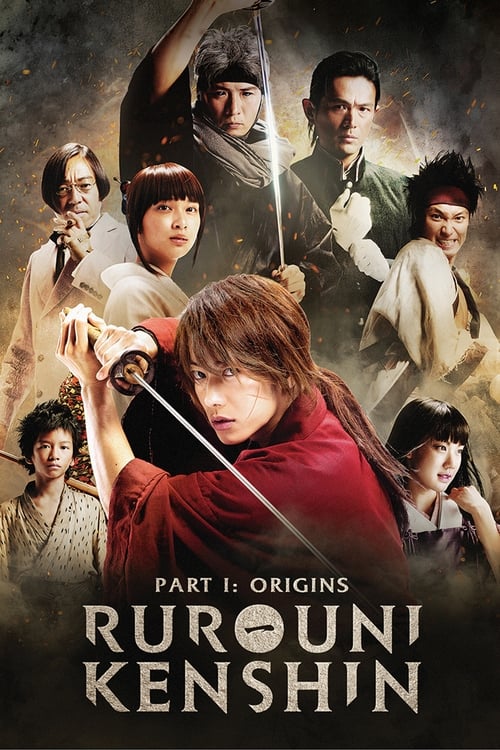
2012
No reviews yet. Be the first to share your thoughts on this movie!
Use the rating form above to leave a star rating and optional review.