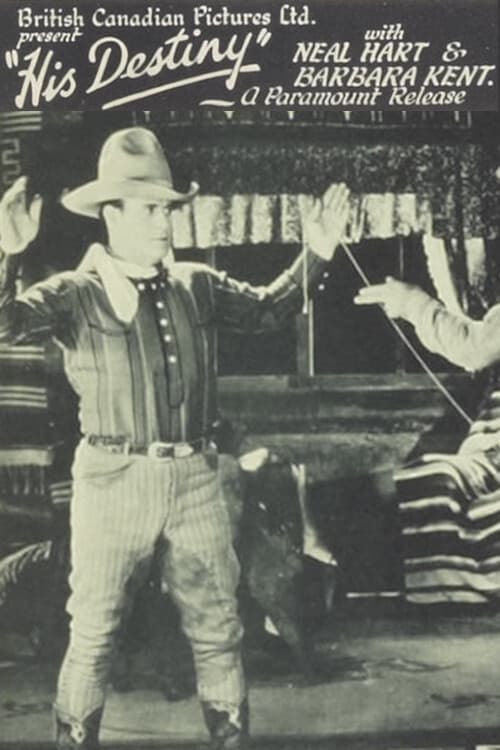
His Destiny
1928
No user ratings available yet
Diversity score: 1.8 out of 10

1923
PassedDirector
Neal Hart
Runtime
55 minutes
Average Rating
No ratings yetSynopsis
Sam Baxter, chief of the Texas Rangers, learns that Scarface Wheeler has been released from prison and is employed as foreman on the Flying X Ranch. Because Jud Howell, who gave evidence against Scarface, fears revenge from the ex-convict, Baxter sends Salty Saunders to shadow Scarface. Salty gets a job on the Flying X but is fired after saving Betty Hampton from certain death during a roundup. Later, Salty secretly enters the house and overhears Hampton, Betty's supposed uncle, conspire with Scarface to raid Jud Howell's cattle. Salty informs Baxter, who sends deputies after the rustlers, and has several more adventures. The posse returns with Scarface, who turns state's evidence and reveals Hampton as the murderer of Betty's father and of Salty's father. Salty and Betty are united. —AFI
Overall Score
Minimal
Category Breakdown
LGBTQ+ Representation
The film follows a conventional heteronormative trajectory. The central romantic arc concludes with the union of Salty Saunders and Betty Hampton, reinforcing traditional courtship patterns.
Gender Representation
Gender hierarchies follow standard early Western tropes. While Betty Hampton serves as a catalyst for the protagonist, agency remains concentrated in male characters like Salty and Sam Baxter.
Racial & Ethnic Diversity
The narrative focuses on a homogeneous group of characters. There is no explicit mention of non-white or non-Anglo-Saxon characters possessing agency within the frontier setting.
Religious & Cultural Diversity
The film reinforces traditional Western institutional values, such as the sanctity of the law and private property. It celebrates the triumph of established social structures.
Disability Representation
There is no evidence of characters with physical or neurodivergent disabilities. Characters are depicted through the lens of physical capability required for frontier survival.
Strengths
Areas for Improvement
AI Analysis
Salty Saunders is a quintessential early Western that prioritizes traditional narrative archetypes. The story relies on a clear distinction between heroic lawmen and criminal elements, reinforcing conventional notions of justice and masculinity. The film functions as a reinforcement of the period's standard cultural and gendered expectations. It does not attempt to disrupt or deconstruct the social norms of the 1920s, instead centering on established ranching interests and law enforcement authority. Ultimately, the work adheres to the foundational tropes of the genre, focusing on frontier justice and clear-cut moral dichotomies without any evidence of systemic subversion.
1928

1930

1923
1949

1919
1943
1935
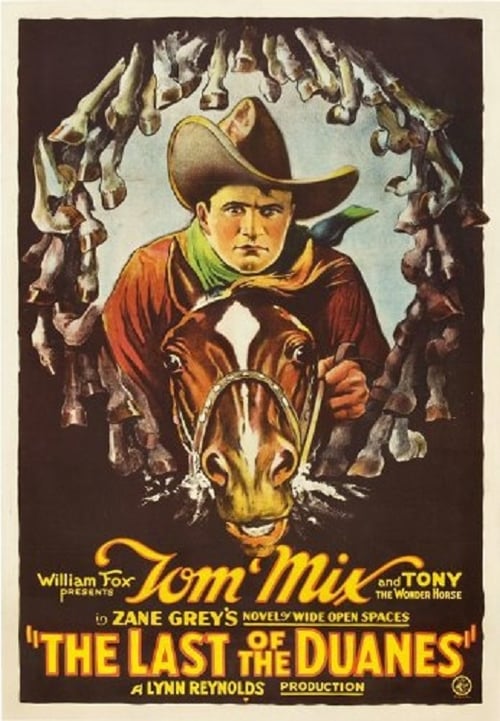
1924

1935

1920
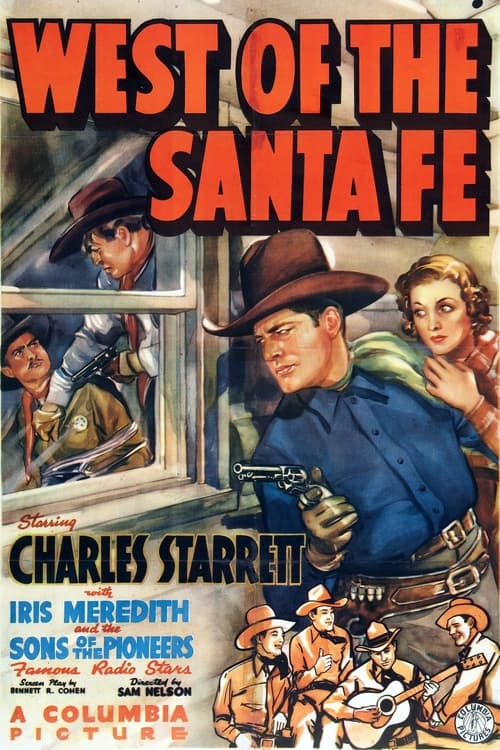
1938
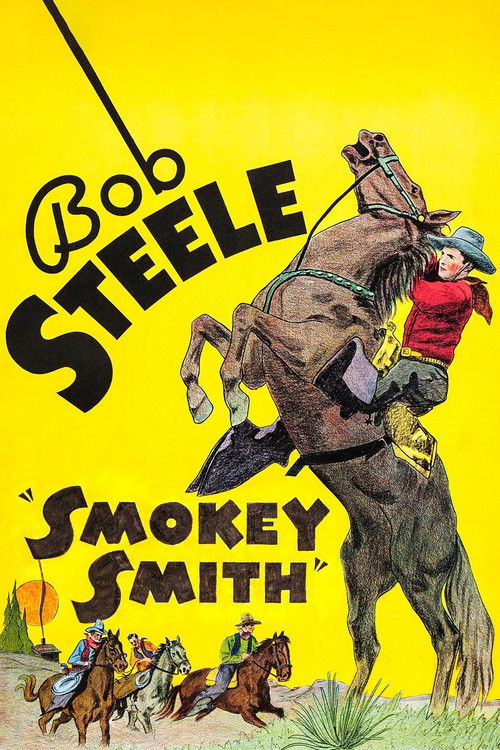
1935
No reviews yet. Be the first to share your thoughts on this movie!
Use the rating form above to leave a star rating and optional review.