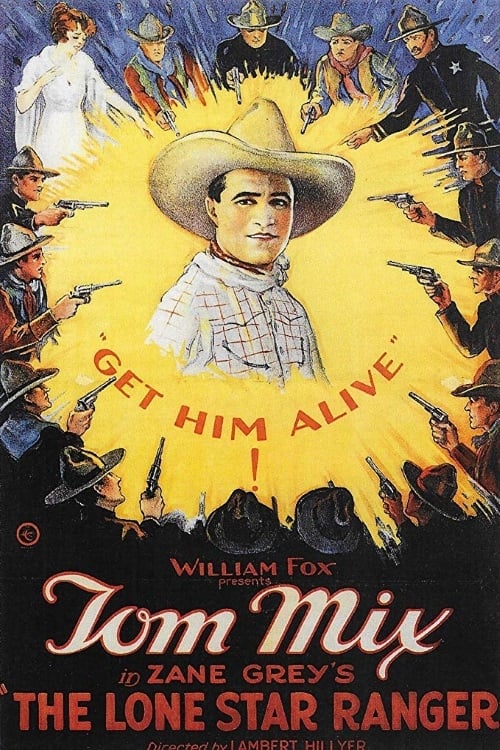
The Lone Star Ranger
1923
No user ratings available yet
Diversity score: 1.8 out of 10

1920
PassedDirector
Lambert Hillyer
Runtime
88 minutes
Average Rating
No ratings yetSynopsis
Railroad station agent Dan Kurrie is fired from his job by his rival in love, Joseph Garber. Believed false by the girl he loves, Margaret , Kurrie must prove himself by unmasking a gang of bandits preying on the trains.
Overall Score
Minimal
Category Breakdown
LGBTQ+ Representation
The film lacks any evidence of non-cisnormative identities or same-sex intimacy. The central conflict revolves around a traditional romantic rivalry between men over a female lead.
Gender Representation
Male agency drives the plot through Kurrie's struggle for reputation. Margaret remains a reactive figure, serving primarily as a romantic interest and an arbiter of the hero's social legitimacy.
Racial & Ethnic Diversity
The film likely adheres to the homogeneous casting norms of the 1920s. It appears to offer a traditional, Eurocentric depiction of the American frontier without diverse ethnic representation.
Religious & Cultural Diversity
The narrative celebrates traditional Western values and the restoration of social order. It focuses on moral rectitude and the triumph of law-abiding citizens over outlaws.
Disability Representation
There is no indication of characters possessing visible or invisible disabilities. The film lacks any representation of neurodivergent individuals.
Strengths
Areas for Improvement
AI Analysis
Sand is a conventional silent-era Western that prioritizes traditional genre tropes over social complexity. The narrative follows a standard hero's journey centered on individual honor and the protection of railroad infrastructure. The film reinforces established social hierarchies rather than subverting them. Character motivations are rooted in personal reputation and romantic competition, reflecting the era's standard storytelling patterns. Ultimately, the work lacks intersectional depth. It functions as a representative example of early 20th-century cinema, focusing on moral clarity and individual merit within a Eurocentric framework.
1923
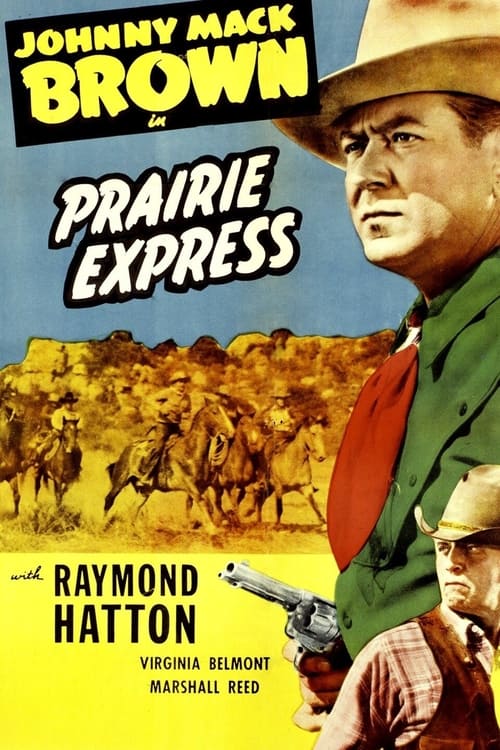
1947
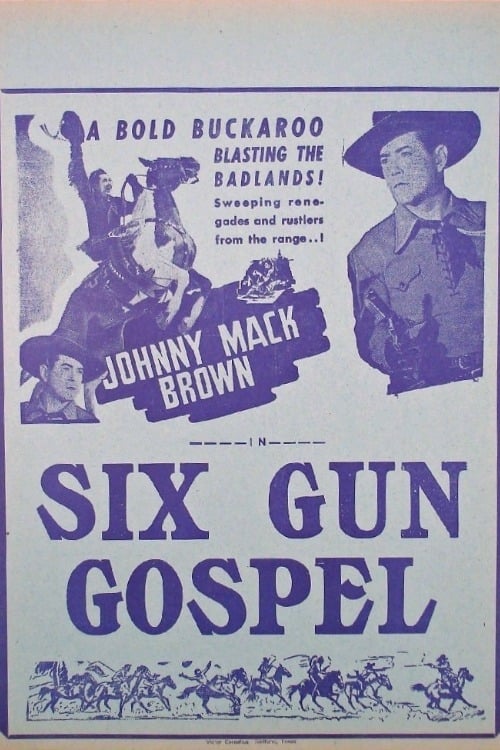
1943
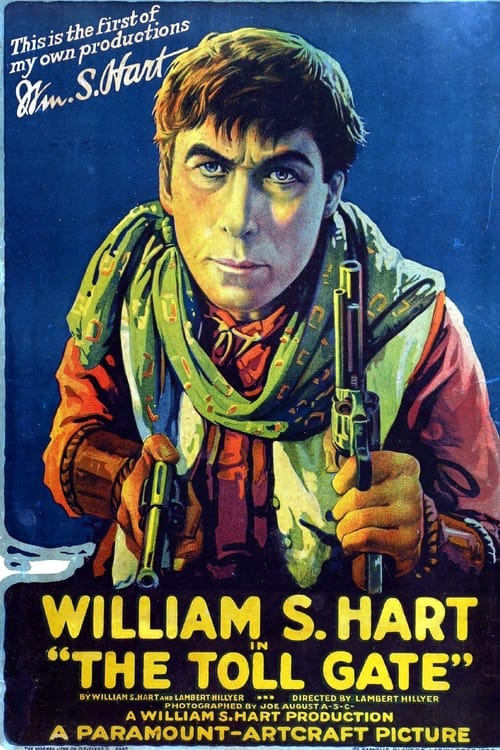
1920
1946
1920
1934
1938
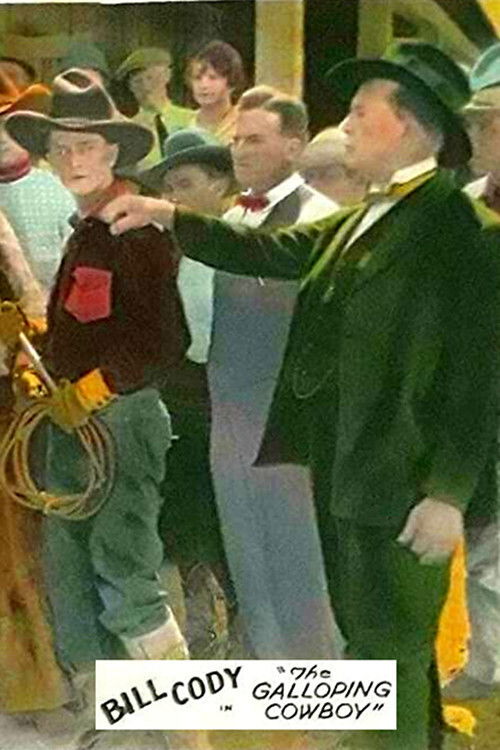
1926
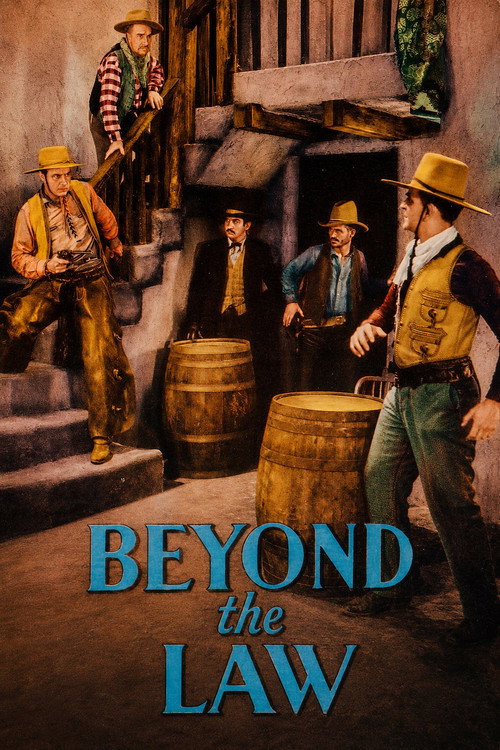
1930

1930
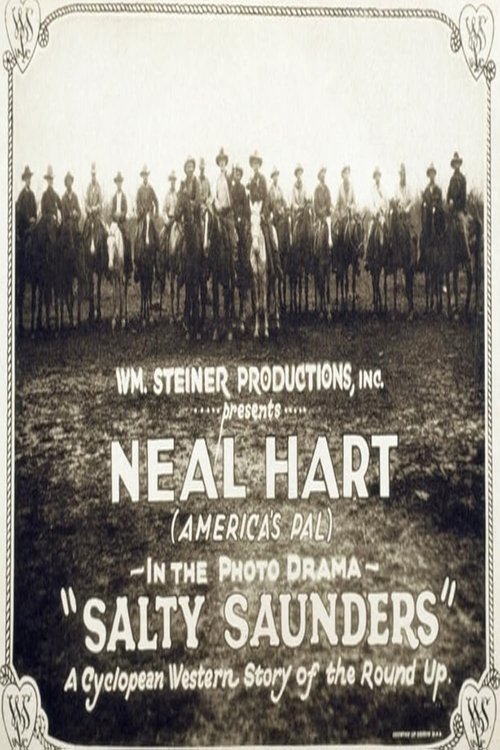
1923
No reviews yet. Be the first to share your thoughts on this movie!
Use the rating form above to leave a star rating and optional review.