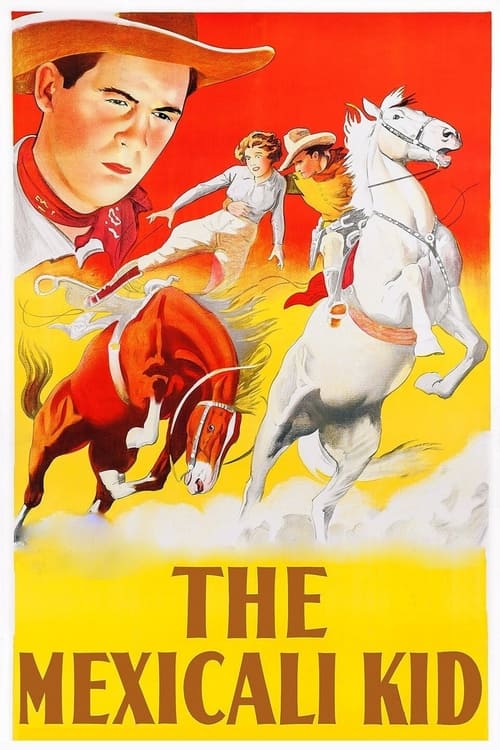
The Mexicali Kid
1938
No user ratings available yet
Representation score: 0.9 out of 10
Representation Score
Minimal
1935
ApprovedDirector
David Selman
Runtime
60 minutes
Average Rating
No ratings yetNew Showbiz Analysis
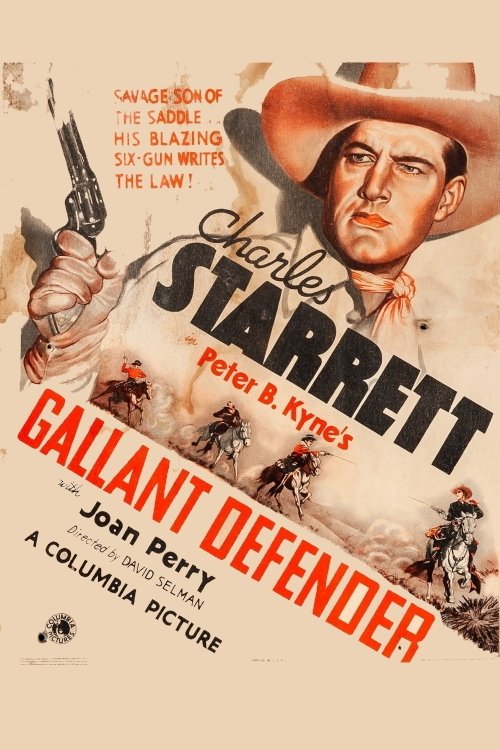
Gallant Defender is a conventional 1930s Western that closely follows the genre clichés of its time. The plot centers on a typical conflict between a dominant gang and underrepresented nesters, driven by a male protagonist’s desire to protect a woman and seek justice. The film relies on traditional social hierarchies, offering little in the way of multi-layered depth or subversion. It serves as a stabilizer of community law rather than a critique of frontier power structures. Ultimately, the film’s narrative structure is built around established archetypes of heroism and romantic interest, providing a narrow view of the frontier experience.
Category Breakdown
The film does not include any characters with non-straight or non-cisgender identities. All character dynamics revolve around heterosexual relationships.
Female characters such as Barbara McGrail mainly serve as catalysts for male-driven plots. They are portrayed as objects of interest rather than independent drivers of the story.
The narrative follows typical Western archetypes with white protagonists. There is minimal representation of ethnic diversity among the gangs and nesters.
The story upholds traditional 1930s moral values regarding property and order. It does not explore or challenge Western institutions or secularism.
There is no mention of characters with visible or invisible disabilities. The cast does not represent this category.
Present on Screen
Limited or Absent
Official Synopsis
Munro and his gang control the valley and are driving away all nesters. Johnny arrives, and taking an interest in Barbara McGrail, decides to help the nesters. He receives unexpected help from Barbara's uncle who is posing as Salty Smith, one of Munro's hired guns. Salty thinks Munro killed his brother and is out to get proof.
1938
1948
1933
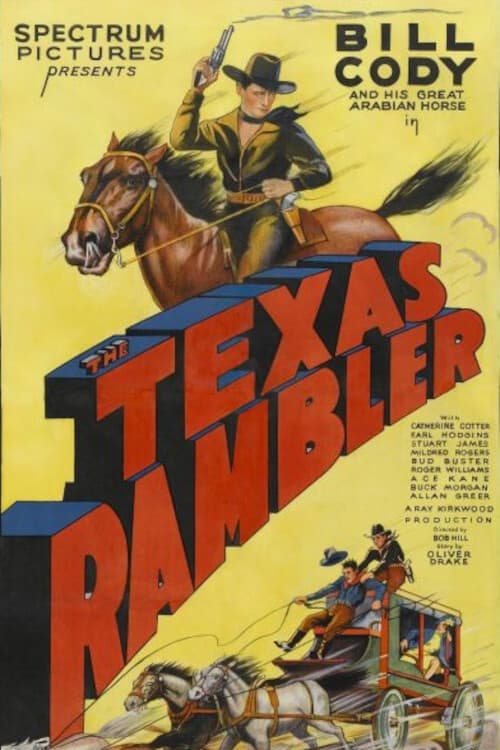
1935
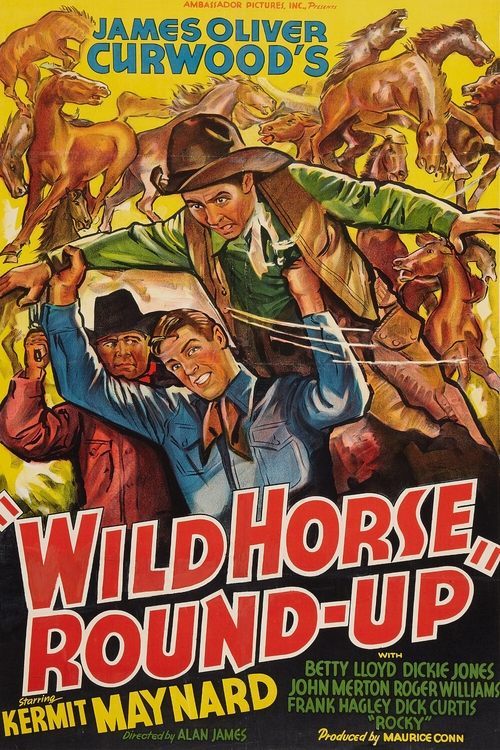
1936
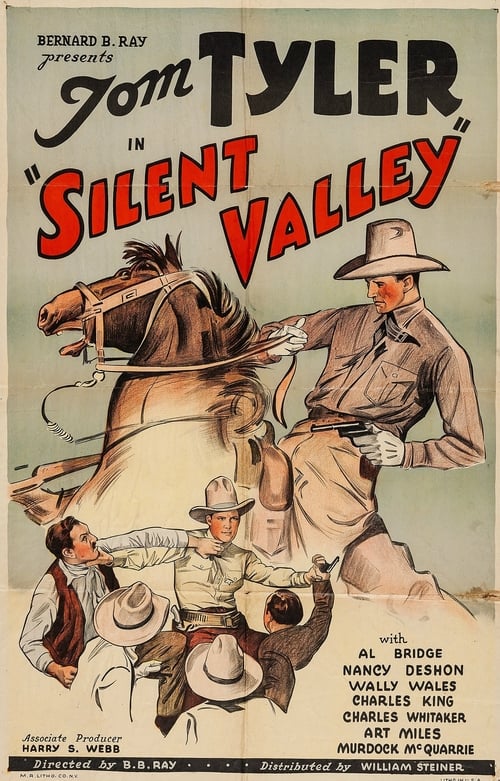
1935
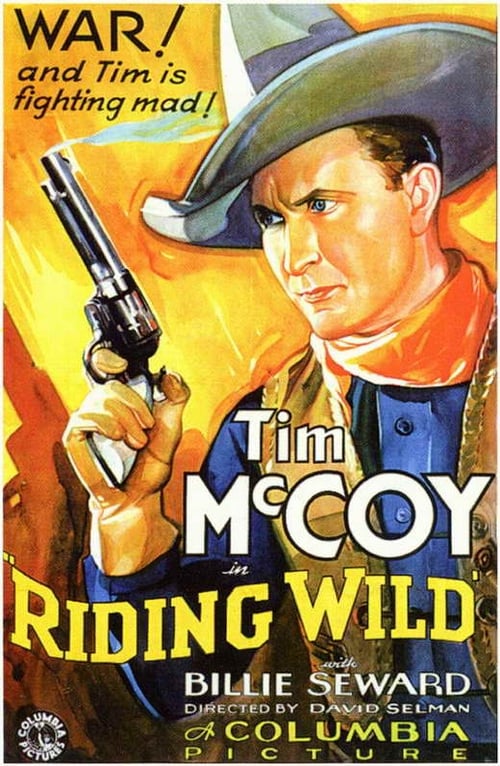
1935
1935
No reviews yet. Be the first to share your thoughts on this movie!
Use the rating form above to leave a star rating and optional review.