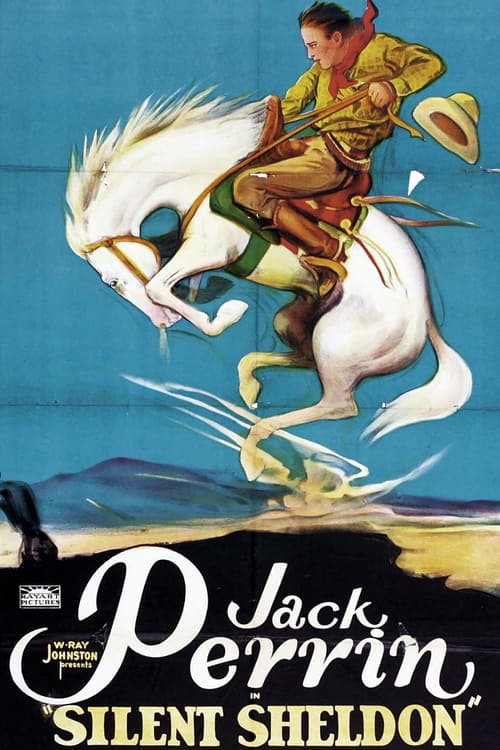
Silent Sheldon
1925
No user ratings available yet
Representation score: 1.6 out of 10
Representation Score
Minimal
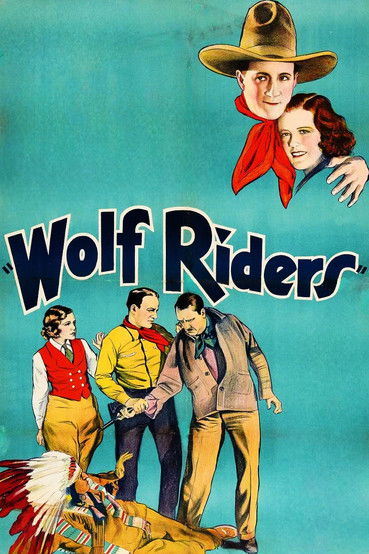
1935
ApprovedDirector
Harry S. Webb
Runtime
57 minutes
Average Rating
No ratings yetNew Showbiz Analysis
Wolf Riders is a product of 1930s Western genre conventions, emphasizing traditional power structures and male-centric conflict. The narrative revolves around a rivalry for a woman's affection, reinforcing period-typical social hierarchies. The film lacks depth in representing diverse identities, with female and Indigenous characters playing secondary or catalytic roles.
Category Breakdown
The film doesn't include any characters with non-binary or LGBTQ+ identities. The plot focuses on a rivalry between two men for a woman's attention.
The story is driven by male competition, centered around a rivalry between a Deputy Indian Agent and his superior. The female character mainly serves as a reason for the men to compete.
While the film suggests Indigenous themes, the focus remains on Western authority figures. Indigenous characters may play minor roles without much complexity.
The story follows typical frontier justice and morality clichés. There's no indication of secular or anti-capitalist critiques, sticking to traditional Western genre conventions.
There is no mention of physical or neurodivergent characters in this film.
Present on Screen
Limited or Absent
Official Synopsis
Deputy Indian Agent is framed for the murder of a captured fur thief actually killed by his boss in rivalry for affections of a saloon girl.
1925
1935
1943
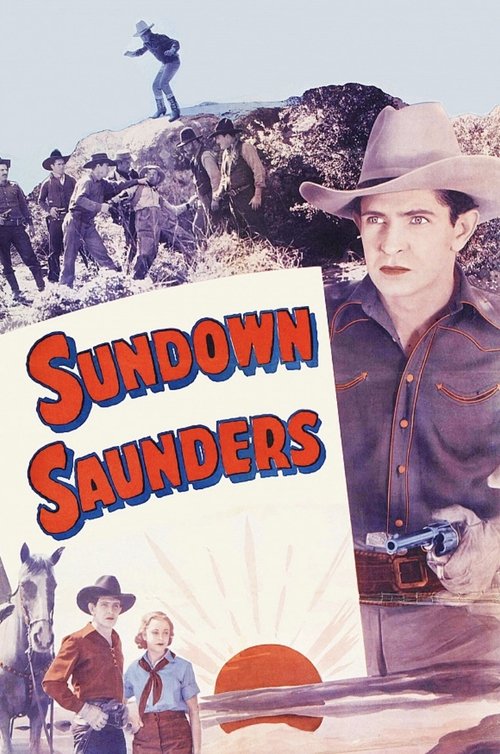
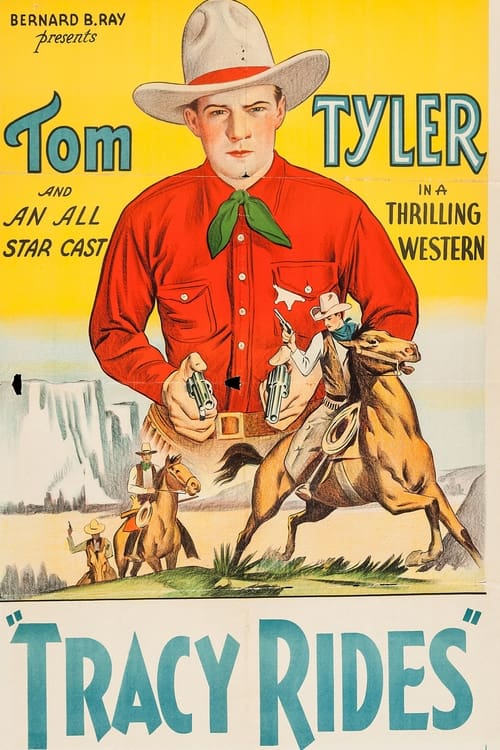
1935
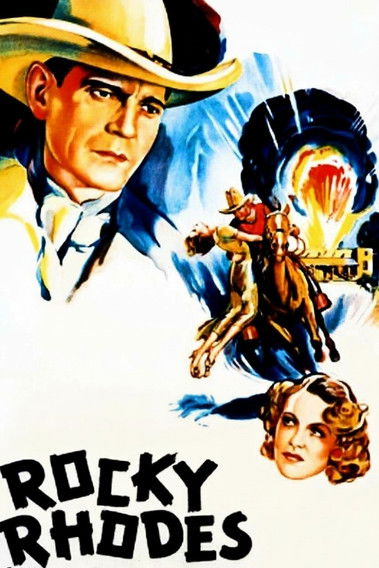
1934
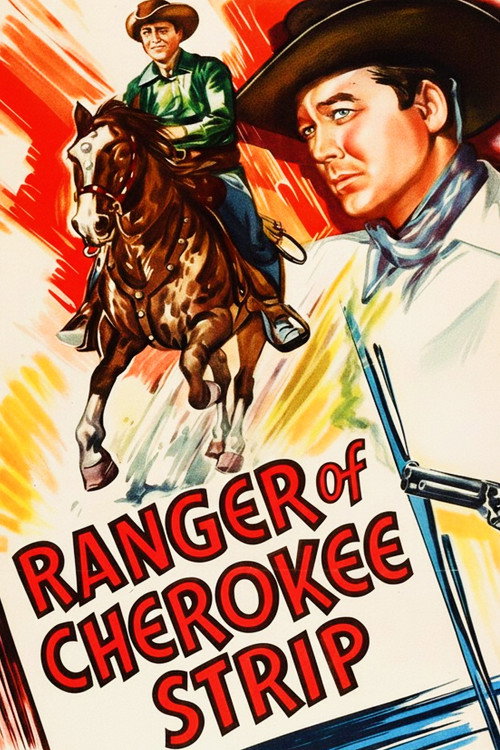
1949
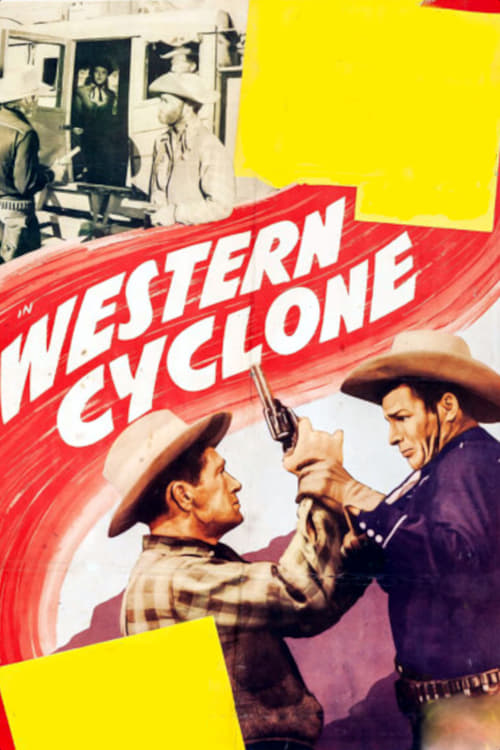
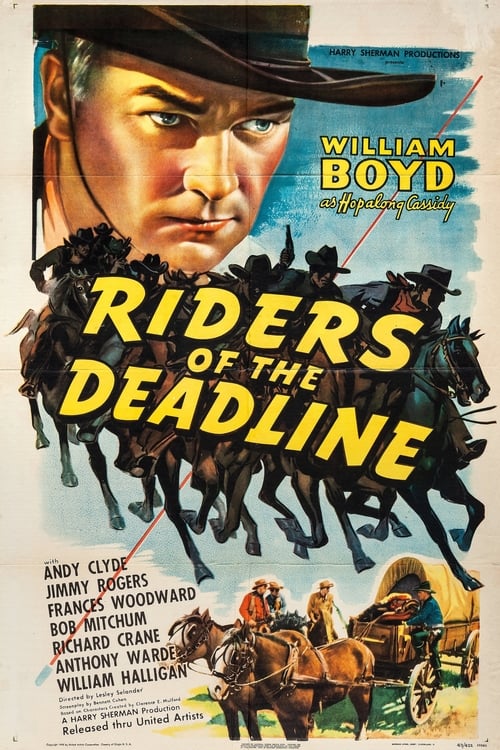
1943
1935
No reviews yet. Be the first to share your thoughts on this movie!
Use the rating form above to leave a star rating and optional review.