The Cherokee Kid
1927
No user ratings available yet
Representation score: 1.0 out of 10
Representation Score
Minimal
1924
PassedDirector
Lynn Reynolds
Runtime
70 minutes
Average Rating
No ratings yetNew Showbiz Analysis
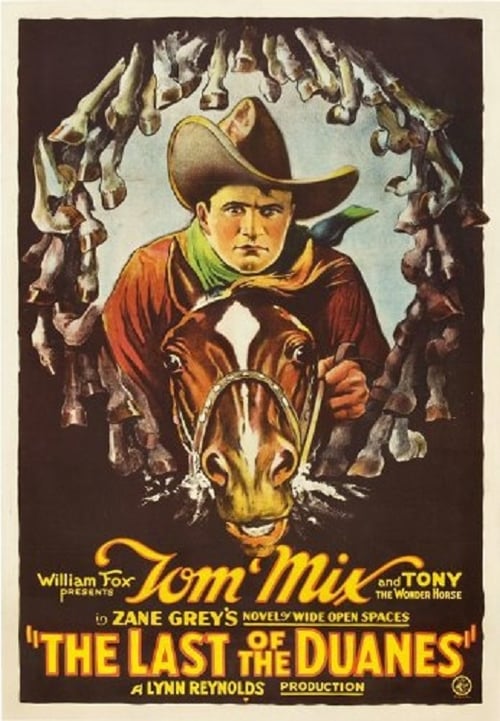
The Last of the Duanes is a standard silent-era Western that adheres strictly to the genre's foundational archetypes. The narrative relies on a revenge and rescue motif, centering on male-driven action and traditional moral binaries. Gender roles are highly conventional, positioning women as either objects to be rescued or sources of romantic conflict. Culturally, the film reflects the era's focus on Anglo-Saxon frontier narratives, lacking multi-layered complexity.
Category Breakdown
The film follows a traditional structure centered on a male protagonist and a beautiful young woman. There are no characters with non-traditional gender identities or same-sex relationships.
Female characters are defined by traditional stereotypes. The lead is passive, waiting to be rescued, while the outlaw's wife serves as a romantic rival.
The narrative centers on a homogeneous demographic typical of 1920s frontier stories. There are no diverse characters or non-Anglo-Saxon individuals.
The plot reinforces traditional Western social orders through themes of vengeance and frontier justice. It lacks any critique of systemic power or institutional dynamics.
The story contains no characters navigating physical, sensory, or neurodivergent experiences.
Present on Screen
Limited or Absent
Official Synopsis
Buck Duane is on the run after killing his father's murderer. He rescues a beautiful young woman from an outlaw, but the outlaw's wife has eyes for the young cowpoke and makes trouble for him.
1927
1956
1922
1930
1939
1971
1929
1922
No reviews yet. Be the first to share your thoughts on this movie!
Use the rating form above to leave a star rating and optional review.