The Cherokee Kid
1927
No user ratings available yet
Representation score: 1.0 out of 10
Representation Score
Minimal
1928
PassedDirector
Neal Hart
Runtime
73 minutes
Average Rating
No ratings yetNew Showbiz Analysis
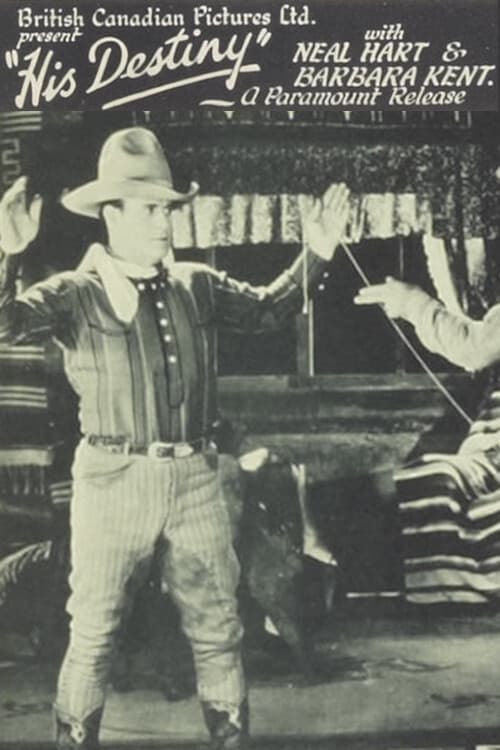
His Destiny is a classic 1920s Western that sticks closely to the conventions of its time. The plot centers around a wrongly accused hero and a straightforward villain, using well-known archetypes. Representation in the film is limited, reinforcing the gender and social hierarchies typical of the genre. The narrative prioritizes masculine leadership and a traditional romantic dynamic, without challenging the cultural norms of the era. Ultimately, the film is a traditional genre piece focused on individual morality and frontier themes.
Category Breakdown
The film follows a traditional path that assumes everyone is straight or cisgender. There are no non-binary gender identities or same-sex relationships shown.
The story adheres to traditional gender roles where male characters drive the plot while Betty, a female character, serves mainly as a catalyst without much control over her own fate.
The film focuses on a predominantly white cast set in a frontier environment. There is no indication of diverse racial representation.
The movie uses a typical Western moral framework. It emphasizes individual heroism and traditional justice concepts without questioning broader societal structures.
There are no characters with physical or neurological differences featured in the film.
Present on Screen
Limited or Absent
Official Synopsis
Wrongfully convicted rancher Jack Bowen (Neal Hart), imprisoned through the machinations of Dick Thompson (William Quinn), escapes from prison just as the warden (Charles Wellesley) is about to pardon him. Caught after rescuing the warden’s daughter, Betty (Barbara Kent) from her runaway carriage, Bowen is released despite the escape attempt and moves to Calgary to compete in the Stampede. Thompson tries to have Bowen killed during the competition but failing that takes Betty as a hostage and flees. Bowen, Betty’s father and others give chase.
1927
1923
1922
1918

1930
1932
1931
1929
No reviews yet. Be the first to share your thoughts on this movie!
Use the rating form above to leave a star rating and optional review.