The Man from Hell's Edges
1932
No user ratings available yet
Representation score: 0.2 out of 10
Representation Score
Minimal
1935
ApprovedDirector
Robert N. Bradbury
Runtime
58 minutes
Average Rating
No ratings yetNew Showbiz Analysis
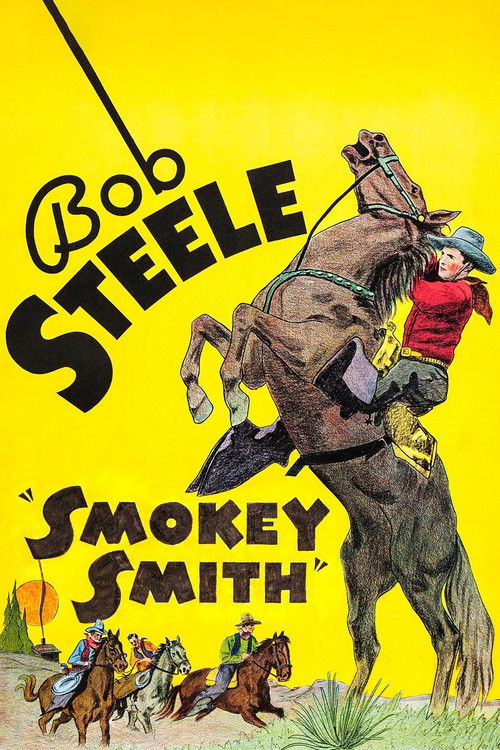
Smokey Smith is a quintessential 1930s B-Western that relies on traditional clichés and clear moral binaries. The story centers on a male protagonist's quest for vengeance and justice, reinforcing standard hierarchies of masculinity and heroism. The film lacks depth in reflecting multiple aspects of identity, presenting a homogeneous social world. It avoids any engagement with diverse identities, focusing instead on a narrow, conventional depiction of the American frontier. Ultimately, the film functions as a period piece that upholds established social norms rather than challenging them.
Category Breakdown
The film follows a strictly heterosexual and cisgender structure. There are no non-binary identities or same-sex relationships present in the narrative.
Male characters drive the plot through physical strength and legal authority. Female characters like Bess Bart primarily serve as catalysts for male jealousy and conflict.
The social landscape is homogeneous and lacks ethnic diversity. The story adheres to a predominantly Anglo-Saxon perspective typical of 1930s Westerns.
The narrative prioritizes traditional frontier justice and the sanctity of the family unit. It reinforces the stability of established Western institutions.
There are no characters with visible or invisible disabilities. The focus remains entirely on physical capability and combat readiness.
Present on Screen
Limited or Absent
Official Synopsis
The parents (Horace B. Carpenter)(Vane Calvert) of Smokey Smith (Bob Steele) are murdered while traveling with a wagon train that is attacked by outlaws. Smokey swears revenge but his only possible chance lies in finding the member of the border-gang who took a ring from his father's finger. The sheriff (Earl Dwire) of a nearby border town makes Smokey a deputy after the latter saves his life when outlaws attack a stagecoach the sheriff is escorting. This enables Smokey to find the hideout of the gang that killed his parents, and he, posing as a wanted man, is able to join the gang. He soon incurs the wrath of gang-member Kent(Warner Richmond), who is jealous over the attention that Bess Bart (Mary Kornman, step-daughter of the gang-leader, "Blaze" Bart (George 'Gabby' Hayes), is showing Smokey.
1932
1935

1934
1938
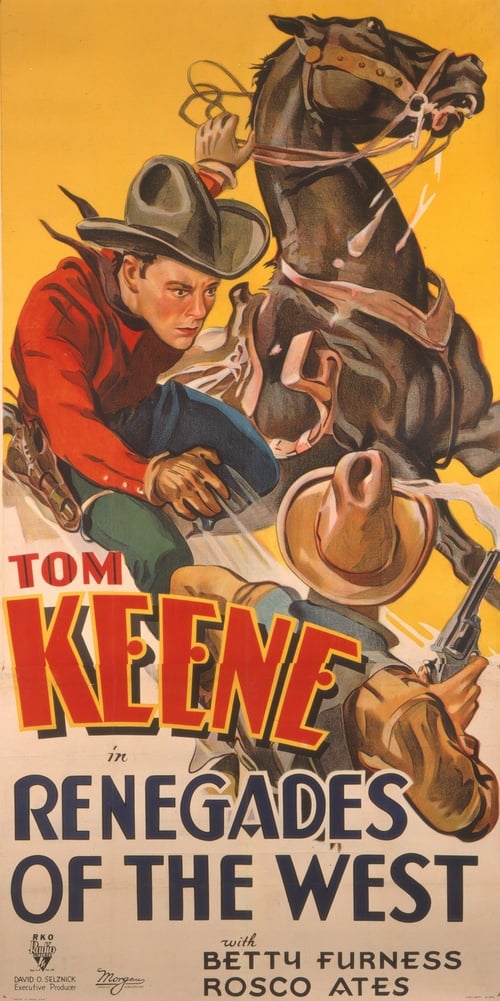
1932
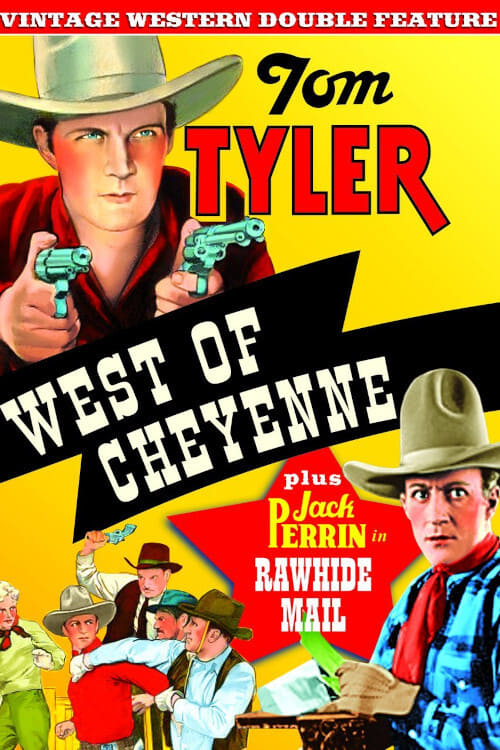
1931

1940
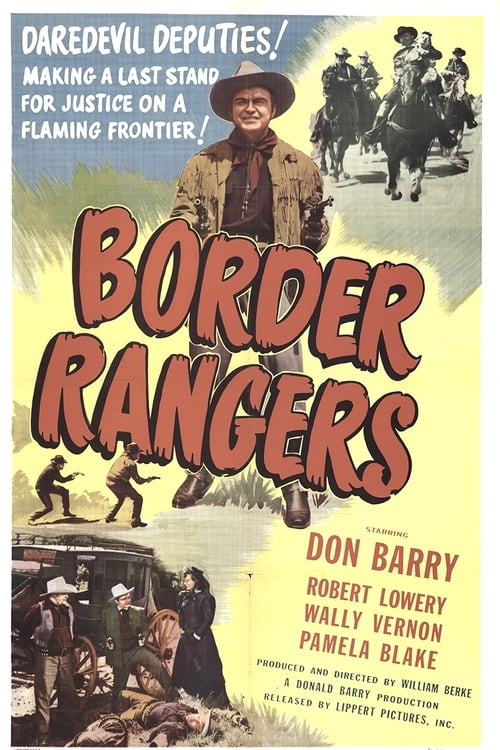
1950
No reviews yet. Be the first to share your thoughts on this movie!
Use the rating form above to leave a star rating and optional review.