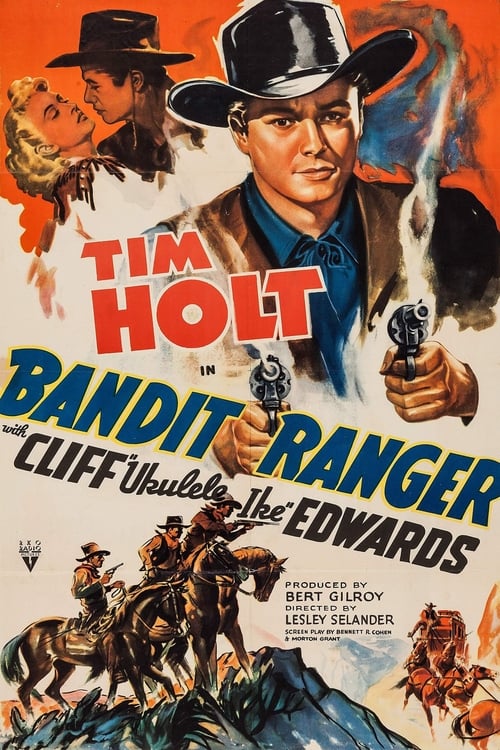
Bandit Ranger
1942
No user ratings available yet
Representation score: 1.2 out of 10
Representation Score
Minimal
1949
ApprovedDirector
Lambert Hillyer
Runtime
57 minutes
Average Rating
No ratings yetNew Showbiz Analysis
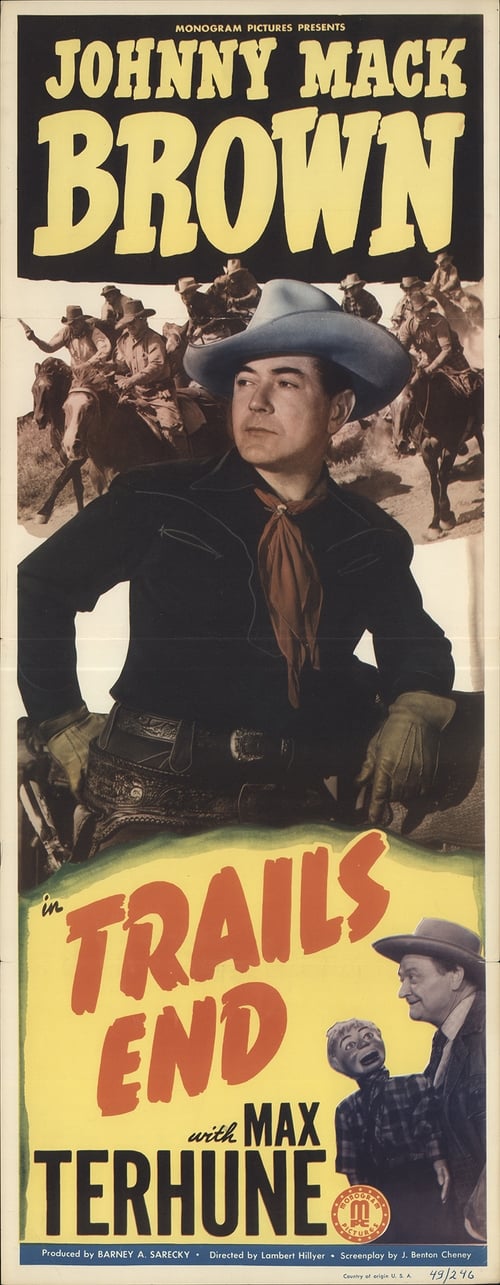
Trails End is a classic mid-century Western that prioritizes genre clichés over social complexity. The narrative is driven by male characters pursuing justice, legal vindication, and physical rescues, leaving little room for diverse perspectives. The film operates within a rigid moral and social framework, reinforcing patriarchal and racial norms common to 1949 cinema. Ultimately, the film adheres to established social hierarchies without attempting to challenge or expand them.
Category Breakdown
The film follows a strict focus on straight relationships and traditional gender roles, with no representation of diverse sexual orientations or gender identities.
Gender roles are defined by traditional hierarchies where women have limited influence. The main female character serves mainly as a catalyst for male action and does not play a leading role in driving the story.
The cast is entirely white, reflecting the era's depiction of the American frontier as a predominantly white space.
The story emphasizes traditional Western values such as property rights and legal systems, focusing on individual responsibility rather than systemic issues.
There are no characters with visible or invisible disabilities, and the narrative does not address neurodivergence or chronic illness.
Present on Screen
Limited or Absent
Official Synopsis
Cowhand Drake discovers gold on the ranch of his boss, Joe Stuart and makes a deal with crooked lawyer Mel Porter to induce Stuart to sell. The latter refuses, and also orders Bill Cameron not to see his daughter Laurie again. Foreman Johnny Mack, after intervening, quits after he sees Stuart hit Laurie while quarreling over her proposed marriage to Cameron. Peddler Alibi Terhune witnesses the killing of Stuart by Clem Kettering, hired by Porter, and is taken prisoner. Cameron is blamed for Stuart's killing, escapes jail, but is persuaded by Johnny to go back and stand trial. Johnny rescues Alibi and the two work together on clearing Cameron's name, and bringing the real culprits to justice.
1942
1940
1946
1934
1950
1945
1949
1945
No reviews yet. Be the first to share your thoughts on this movie!
Use the rating form above to leave a star rating and optional review.