
The Thundering West
1939
No user ratings available yet
Diversity score: 1.9 out of 10
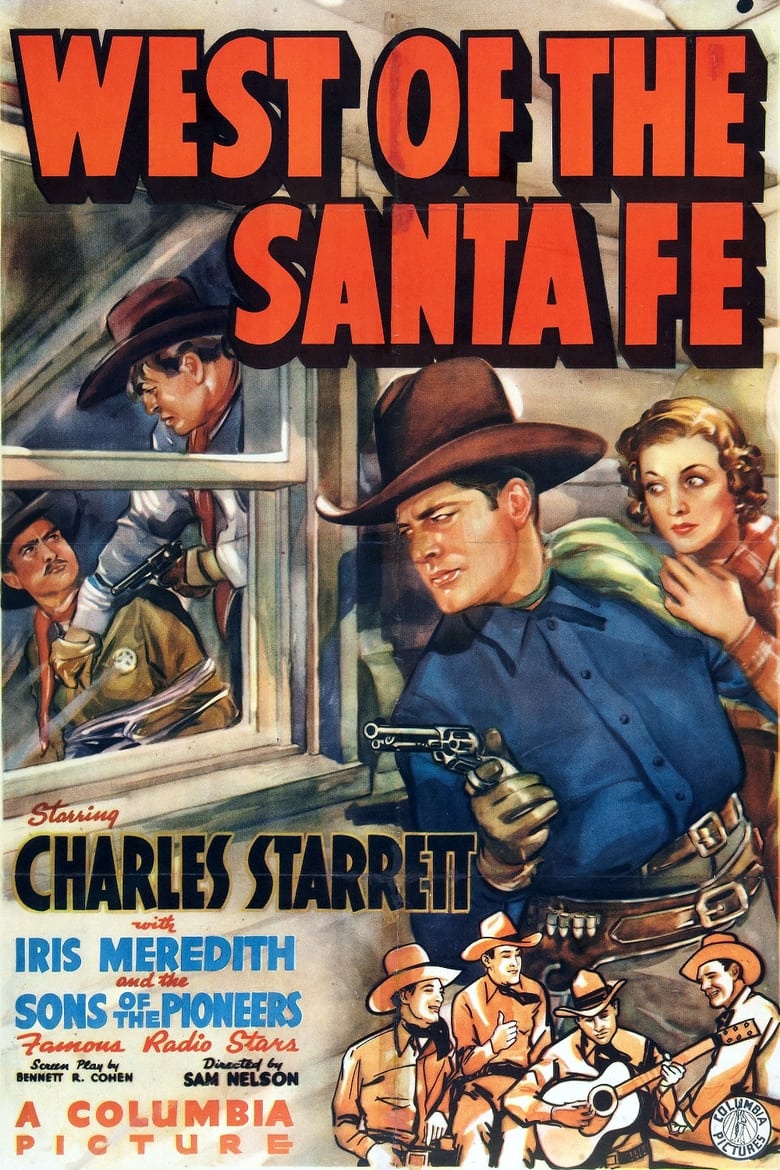
1938
ApprovedDirector
Sam Nelson
Runtime
57 minutes
Average Rating
No ratings yetSynopsis
US marshal Lawlor (Starrett) takes on a gang of cattle rustlers headed by Taylor (Dick Curtis). His reasons are partly personal: Conway (Edward LeSaint), the cattle-baron father of Lawlor's sweetheart Madge (Meredith), has been murdered by Taylor's minions.
Overall Score
Minimal
Category Breakdown
LGBTQ+ Representation
The film lacks any evidence of queer narratives or non-cisnormative identities. The plot centers on a traditional romantic connection between Lawlor and Madge.
Gender Representation
Gender roles follow strict traditional hierarchies. Lawlor drives the action through physical conflict, while Madge serves as a passive motivator tied to emotional stakes.
Racial & Ethnic Diversity
The narrative appears to adhere to the homogeneous racial norms of 1930s Westerns. There is no indication of a diverse or non-Anglo-Saxon cast.
Religious & Cultural Diversity
The story emphasizes traditional Western themes of law, order, and property protection. It reinforces institutional stability through the lens of cattle ranching and justice.
Disability Representation
There is no evidence of characters navigating physical, mental, or neurodivergent conditions. The cast appears to lack representation of disability.
Strengths
Areas for Improvement
AI Analysis
West of the Santa Fe is a quintessential product of its era, functioning as a conventional Western that reinforces established social hierarchies. The narrative relies on standard genre tropes, focusing on a male protagonist's quest for justice and retribution. The film lacks intentionality regarding identity, opting instead for the homogeneous racial and gendered archetypes common in 1938. It prioritizes traditional masculine leadership and capitalist interests, such as cattle ownership, over diverse perspectives. Ultimately, the work serves to uphold the status quo of the Western genre rather than challenging or expanding its social boundaries.
1939
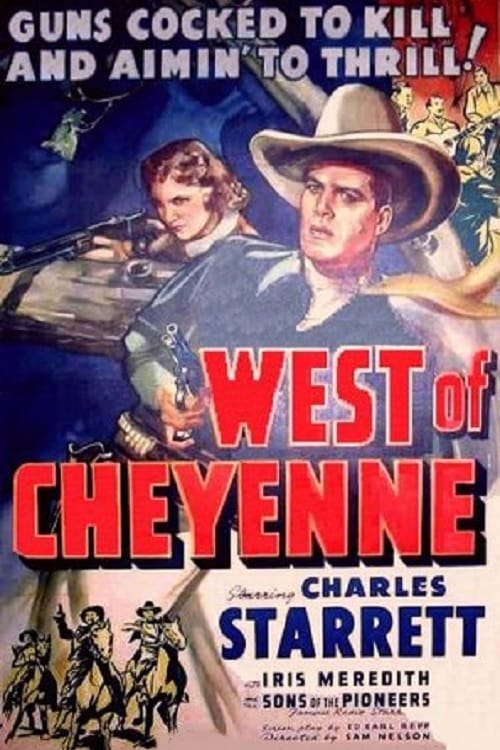
1938
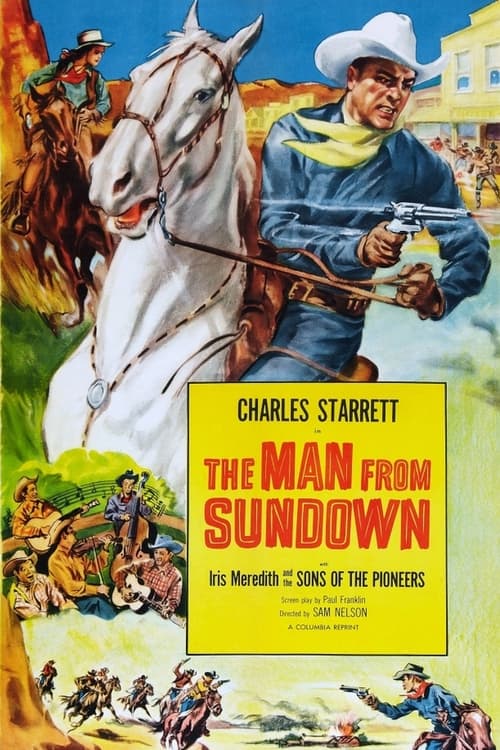
1939

1938
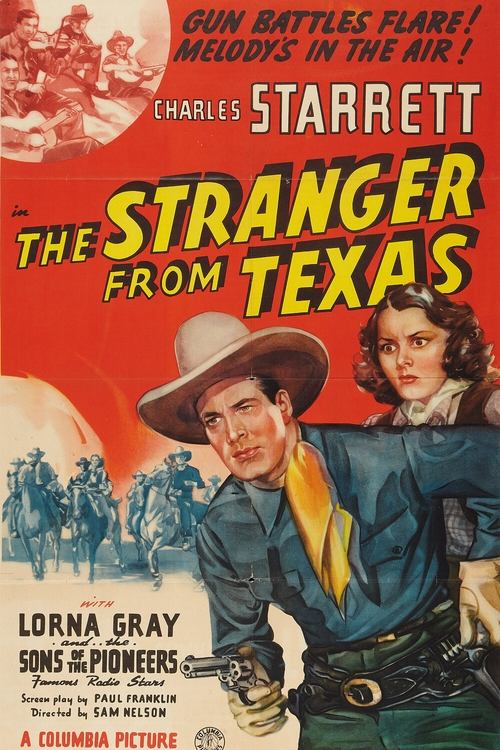
1939
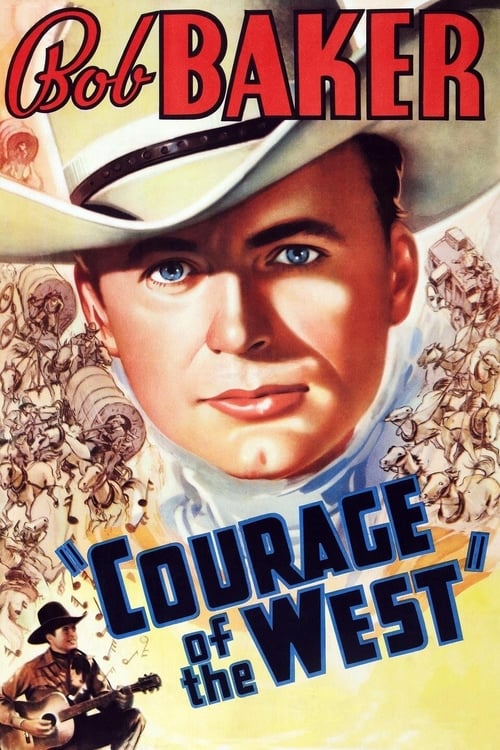
1937
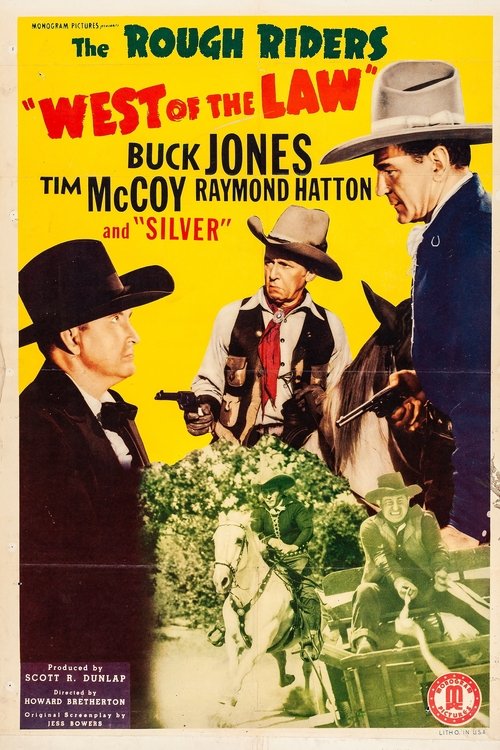
1942
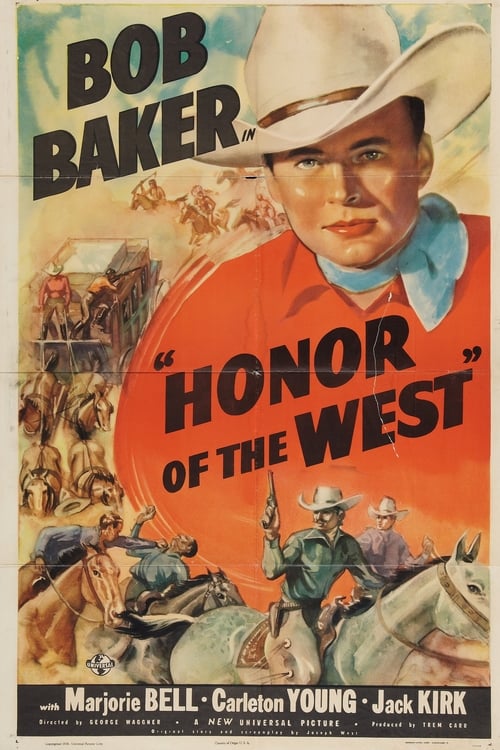
1939

1934
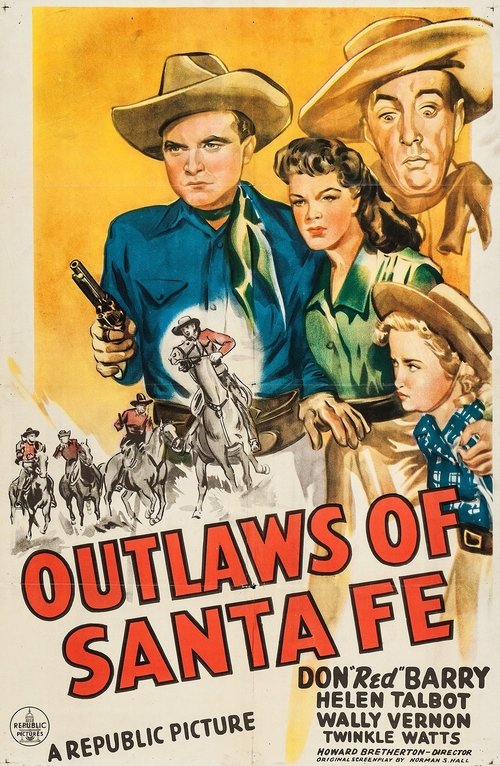
1944
1936

1930
No reviews yet. Be the first to share your thoughts on this movie!
Use the rating form above to leave a star rating and optional review.