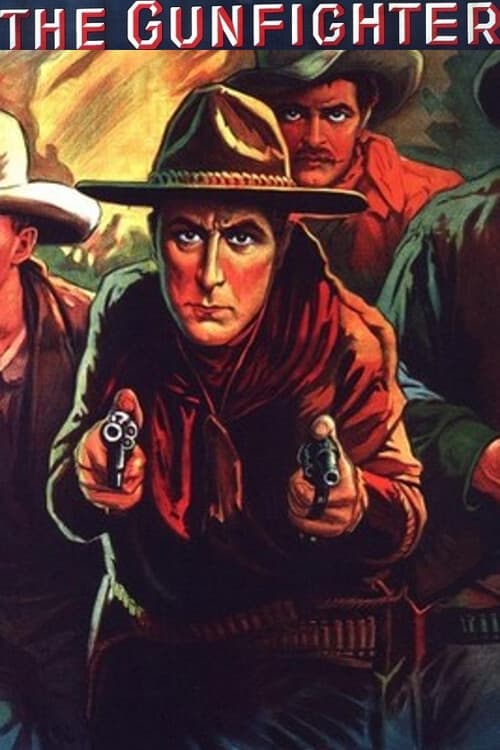
The Gun Fighter
1917
No user ratings available yet
Diversity score: 2.3 out of 10
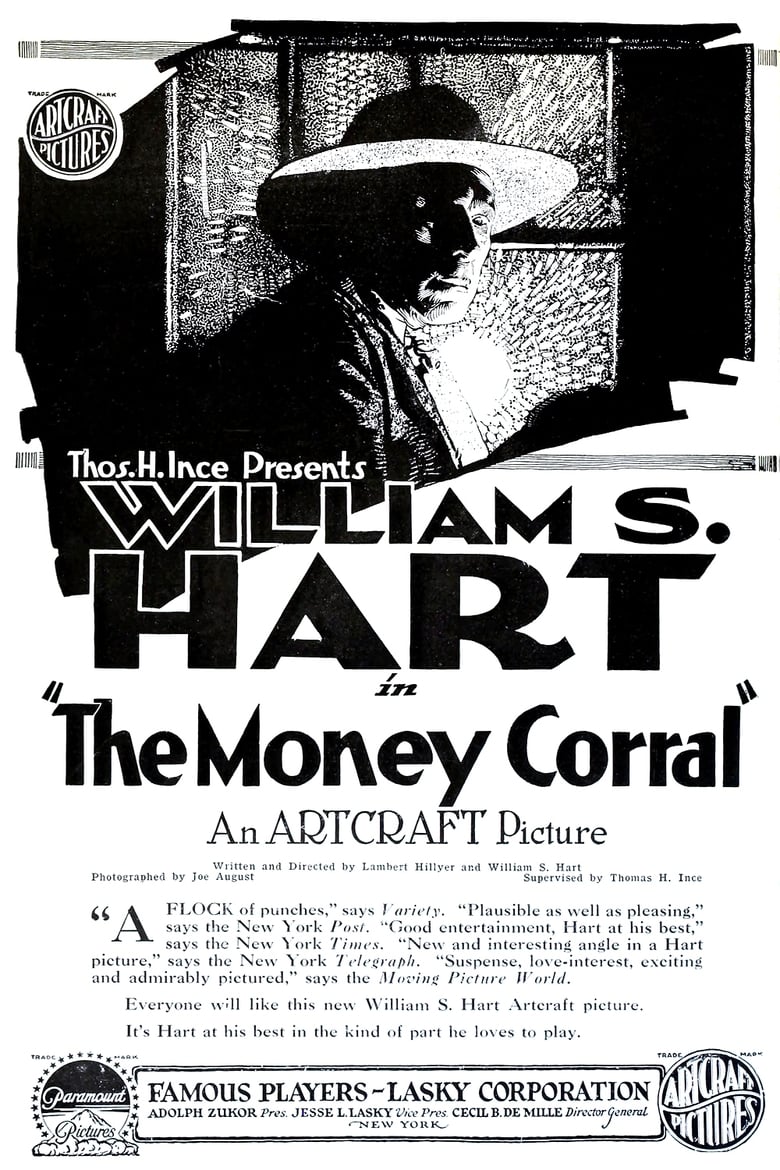
1919
PassedDirector
William S. Hart
Runtime
50 minutes
Average Rating
No ratings yetSynopsis
Cowhand Lem Beason wins a shooting contest at a Western rodeo, and as a result is hired by railroad president Gregory Collins to return to Chicago with Collins to take charge of security for Collins' vaults. Lem is reluctant to go, but Collins' pretty niece Rose changes his mind. In Chicago, Lem finds a great deal of criminal activity, but none of it can get the best of him.
Overall Score
Minimal
Category Breakdown
LGBTQ+ Representation
The film contains no LGBTQ+ characters or non-cisnormative identities. The plot relies on a traditional romantic catalyst to drive the protagonist's journey.
Gender Representation
Gender roles follow conventional early-century hierarchies. The female character, Rose, serves primarily as a motivational device for the male lead rather than a character with independent agency.
Racial & Ethnic Diversity
The cast appears homogeneous, centering on a traditionalist Western perspective. There is no evidence of racial blending or diverse identities used to challenge social constraints.
Religious & Cultural Diversity
The narrative reinforces traditional Western institutional values and capitalist stability. It focuses on protecting property and upholding order through a standard moral trajectory.
Disability Representation
There is no documented evidence of characters with visible or invisible disabilities. No such identities are utilized as plot devices in the narrative.
Strengths
Areas for Improvement
AI Analysis
The Money Corral is a quintessential product of its era, functioning as a traditionalist Western that reinforces established social and gender hierarchies. The film prioritizes themes of individual competence and the protection of property over any form of systemic critique. While the film succeeds in establishing the rugged individualism typical of William S. Hart's work, it lacks intersectional complexity. The narrative relies on archetypes that maintain the status quo of the early 20th-century American frontier. Ultimately, the film adheres to foundational tropes of early cinema, offering a narrow view of identity and social structure that lacks modern progressive depth.
1917
1941
1929
1930
1937
1916
1929
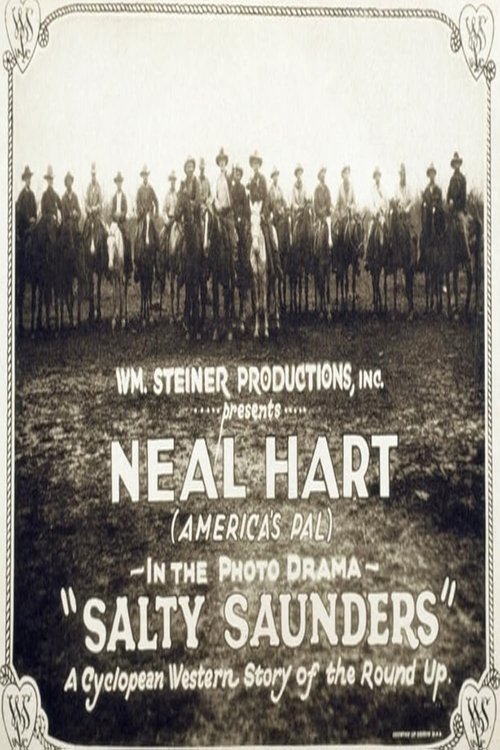
1923
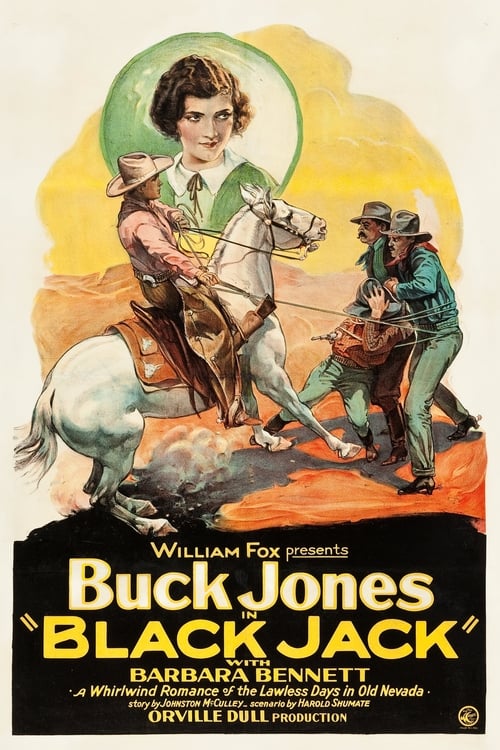
1927
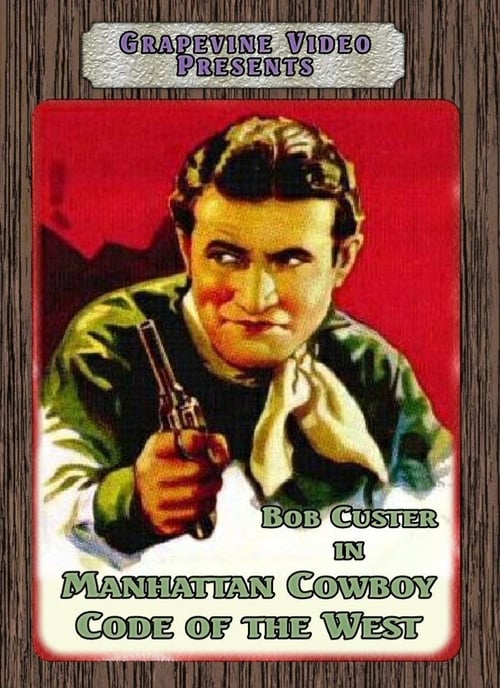
1929
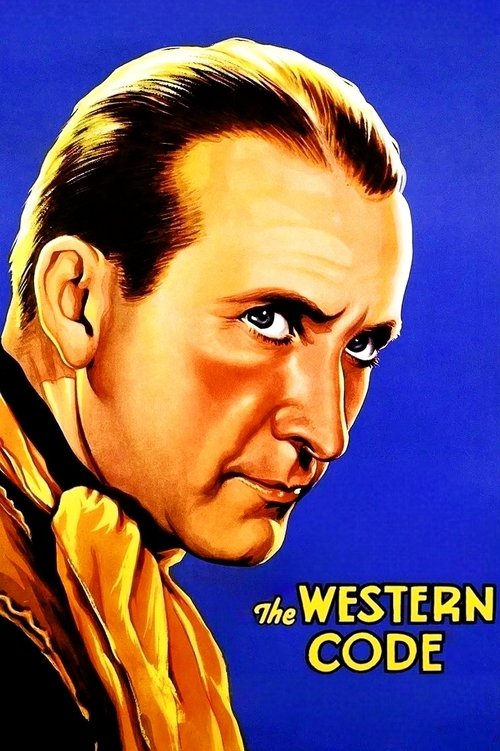
1932
1930
No reviews yet. Be the first to share your thoughts on this movie!
Use the rating form above to leave a star rating and optional review.