
Wyoming Hurricane
1944
No user ratings available yet
Representation score: 0.6 out of 10
Representation Score
Minimal
1943
ApprovedDirector
William Berke
Runtime
56 minutes
Average Rating
No ratings yetNew Showbiz Analysis
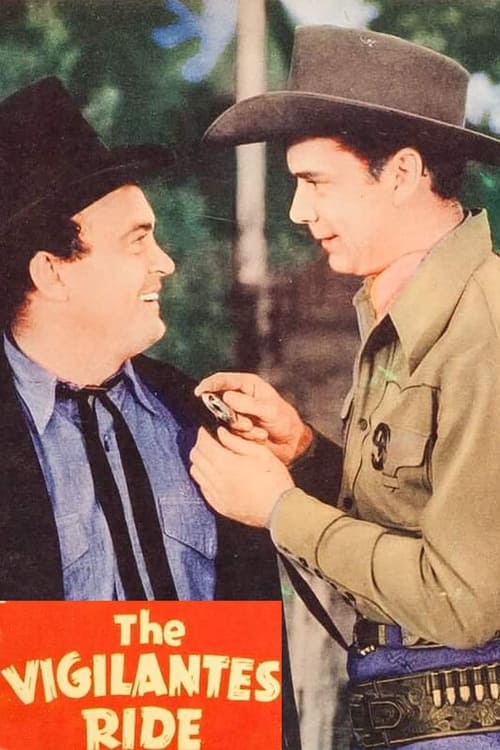
The Vigilantes Ride is a standard 1940s B-movie Western that prioritizes genre clichés over social complexity. The narrative relies on a binary conflict between law enforcement and outlaws, reinforcing the authority of established institutions. Character roles are strictly defined by traditional hierarchies. Men drive the physical action and moral conflict, while women serve as social validators to help restore the protagonist's reputation. Ultimately, the film functions as a conservative piece of mid-century cinema. It seeks to uphold communal stability and traditional morality without offering any critical perspective.
Category Breakdown
The film follows a strictly heterosexual structure, with no presence of diverse sexual orientations or gender identities.
Female characters play secondary, supportive roles. They influence the plot indirectly, such as by contacting the Sheriff, but primarily serve to validate the hero's morality.
The film reflects the era's typical lack of diverse racial representation, featuring a homogeneous white cast consistent with 1940s Western genre standards.
The narrative emphasizes traditional Western values and institutional justice, focusing on the sanctity of the law and the restoration of social order.
There is no evidence of characters with visible or invisible disabilities. The story focuses entirely on the conflict between lawmen and outlaws.
Present on Screen
Limited or Absent
Official Synopsis
When Rangers Lucky and his brother chase outlaws, the brother is killed. To find the killer Lucky quits the Rangers and robs the bank. This gets him into the outlaw gang where he learns of their next raid. Sneaking out at night he tells his girl friend who must now convince the Sheriff that Lucky is not an outlaw and that he must sent his men out to catch the gang.
1944

1939
1943
1946
1931
1942
1945
1956
No reviews yet. Be the first to share your thoughts on this movie!
Use the rating form above to leave a star rating and optional review.